
Last updated November 25, 2026
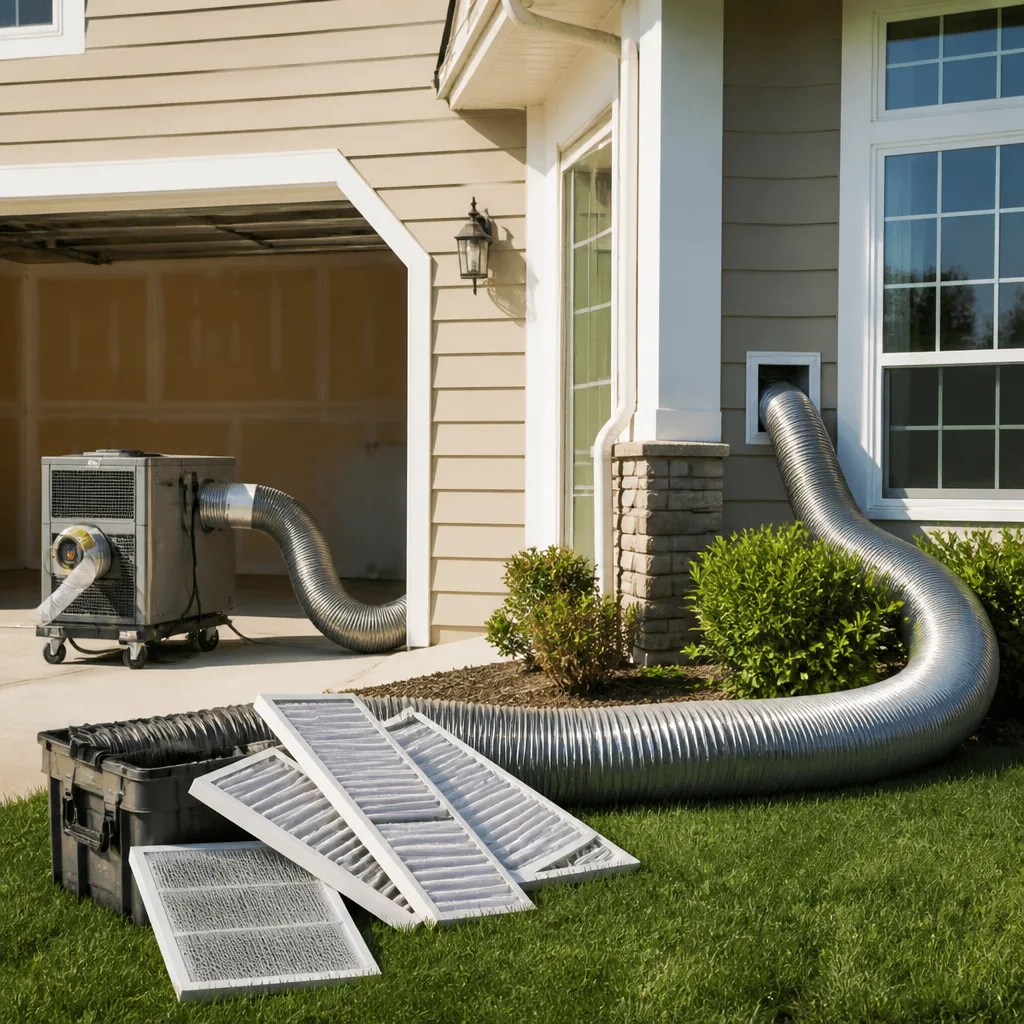 Whole-home duct cleaning
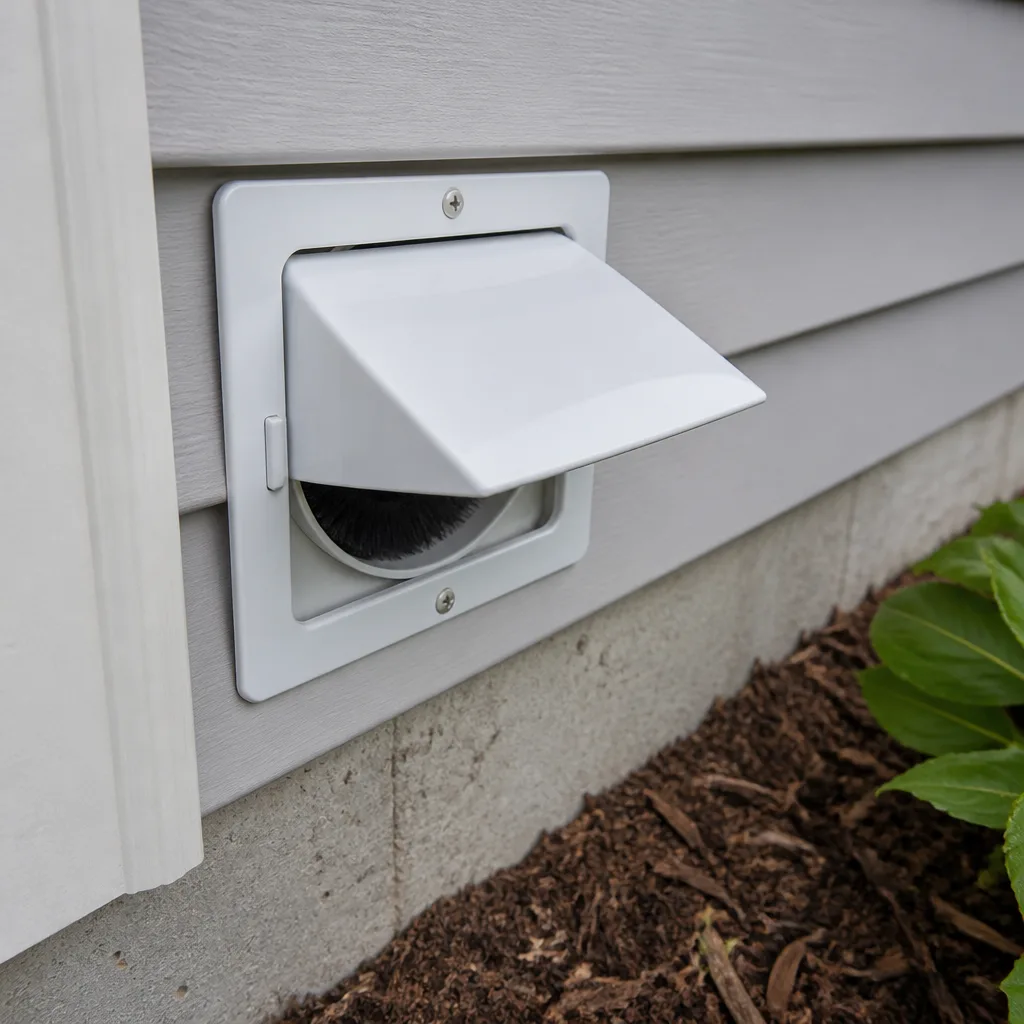 Dryer vent cleaning
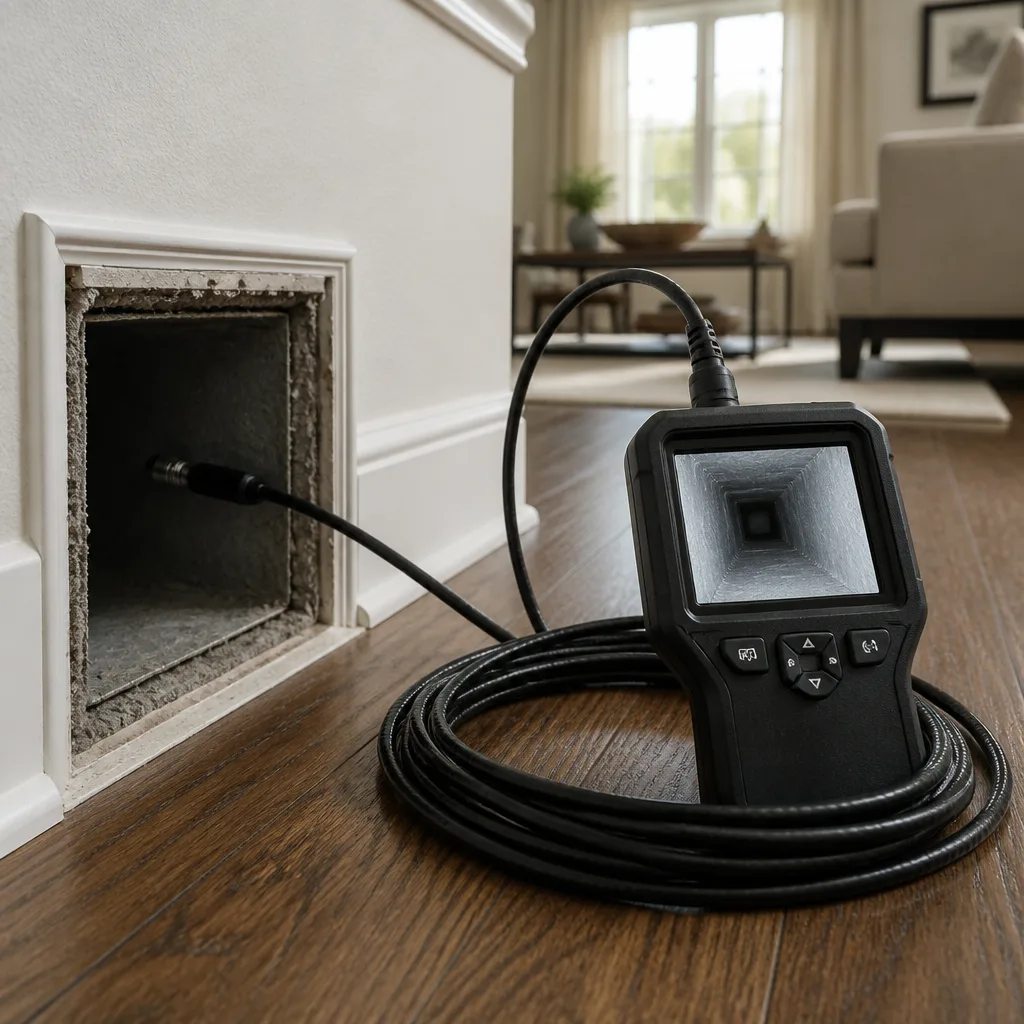 Camera inspection
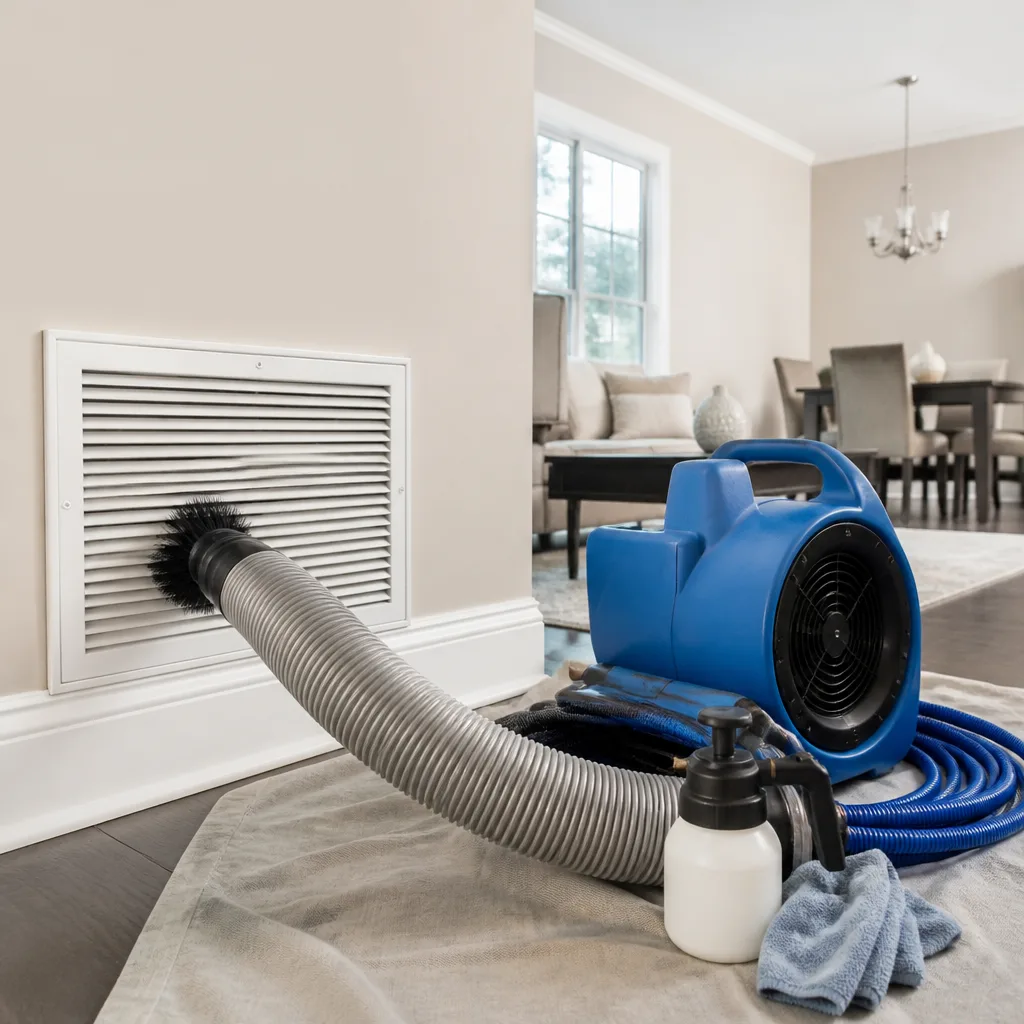 Sanitizing & deodorizing
Whole-system duct and dryer vent check with before-and-after photos - you see exactly what came out of your vents
That "$99 whole-house special" is a bait ad - the real number appears once they are in your hallway, or the "clean" is a shop-vac at the register. We photograph the inside of your ducts before and after instead.
How to Hire an Air Duct Cleaning Contractor in Meadow Hills: A Step-by-Step Guide
Most people hire a duct cleaner the way they hire a plumber: something’s wrong, they call the first name that comes up, and they hope for the best. That approach works for a leaky faucet. It fails badly for duct work, because you can’t see what’s happening inside the ductwork behind your walls once someone starts working. The industry has a well-documented history of bait-and-switch pricing and crews showing up with equipment too small to actually do the job, which is why the EPA has warned homeowners for years about “$99 whole-house” offers. This guide gives you the specific technical questions and equipment benchmarks to screen contractors before anyone enters your Meadow Hills home, so you know exactly what you’re paying for and what you’re getting in return.
Quick Answer
To hire an air duct cleaning contractor in Meadow Hills, ask for a written whole-system quote (not a per-vent price), verify the contractor uses a truck-mounted or high-CFM negative-pressure vacuum with a rotating brush system, and confirm they’ll provide before-and-after photos of your actual ductwork. Screen out anyone who quotes over the phone without asking about your home’s layout, refuses a written scope, or can’t explain how they create negative pressure to capture debris instead of blowing it back into your rooms.
Styles & brands we work with
- Whole-home duct cleaning
- Dryer vent cleaning
- Camera inspection
- Sanitizing & deodorizing
Table of Contents
- Why Duct Cleaning Has a Trust Problem, and What You Can Do About It
- The Three Equipment Questions to Ask Before You Book
- What NADCA Certification Actually Means, and How to Verify It
- Red Flags in the Quote Process
- Why the Cheapest Quote Usually Means Undersized Equipment
- How to Structure the Job Scope in Writing
- What Makes Duct Cleaning Different in Meadow Hills Homes
- What to Expect After the Job Is Done
Why Duct Cleaning Has a Trust Problem, and What You Can Do About It
Duct cleaning sits in an unusual spot: it’s a service that’s hard for a homeowner to verify, often sold through aggressive ads, and unevenly regulated. Some states have licensing requirements for the trade; many don’t, and even where requirements exist, enforcement is spotty. That combination creates room for operators running consumer-grade shop vacuums out of the back of a van, charging a low headline price, then adding charges once the technician is inside your home.
For Meadow Hills homeowners, the practical answer is to treat hiring a duct cleaner the way you’d treat hiring anyone who works inside your home: verify, ask specific questions, and get everything in writing before work starts. A few things to keep in your back pocket:
- Reputable contractors quote per system, not per vent. Per-vent pricing encourages crews to rush.
- A genuine whole-house cleaning requires equipment that creates sustained negative pressure throughout the duct system. That’s not something a shop vacuum can do.
- You should be able to see photos of the inside of your ducts, before and after.
- A contractor who won’t put the scope in writing before starting isn’t a contractor you want in your home.
The rest of this guide walks through each of these in detail, so you can screen a contractor in a five-minute phone call and walk away from the wrong ones before anyone knocks on your door. If you’ve already had a bad experience, our Air Duct Cleaning Meadow Hills team handles the whole air system, meaning cleaning, sealing, and air quality all in one visit rather than one service at a time.
The Three Equipment Questions to Ask Before You Book
Equipment is where the difference between a real duct cleaning and a decorative one sorts itself out. Most homeowners don’t know what to ask, so the questions below are the short version. Ask them over the phone; a qualified contractor can answer them in a sentence or two, and a weak one will get vague fast.
1. What CFM rating does your vacuum have?
CFM measures airflow. A whole-home duct cleaning needs enough sustained airflow to actually pull loose debris out of the system, not just agitate it. Ask the contractor to name the CFM rating of their primary vacuum and whether it’s truck-mounted or portable. If they can’t tell you or won’t, that’s a signal the equipment is consumer-grade. Portable units can work in smaller homes with careful setup, but they need enough power to maintain negative pressure across the whole system, which a typical shop vacuum can’t sustain.
2. What kind of brush system do you use?
Rotating brush systems reach into the duct runs and loosen debris from the walls, which is what allows it to be captured rather than left to re-settle. Ask whether they use a rotating brush system or just compressed air. Compressed air alone pushes debris around the system without necessarily capturing it.
3. How do you maintain negative pressure during the cleaning?
Negative pressure means the pressure inside your ducts stays lower than the pressure in your rooms, so debris moves toward the vacuum instead of leaking out into the air you breathe. This requires sealing off return registers and connecting the vacuum to the system at a single point. Ask how they set up their negative pressure source and how they handle homes with multiple HVAC zones.
At Air Duct Cleaning Meadow Hills, we run professional-grade Rotobrush and Nikro systems built for exactly this work, and we walk through the setup with you before starting. Our technicians have up to 11 years of experience, and we’re happy to answer any of these questions before you book.
What NADCA Certification Actually Means, and How to Verify It
The National Air Duct Cleaners Association (NADCA) sets the industry standards most reputable contractors follow, including its ACR (Assessment, Cleaning, and Restoration) standard. But “NADCA certified” gets used loosely in advertising, often in ways that don’t match what the association actually offers. The practical way to sort this out is to know what to look for and how to check independently.
What NADCA membership and certification realistically involve:
- Membership indicates a company has agreed to follow the association’s code of ethics and standards. It’s a business-level credential.
- Individual certification (like an Air Systems Cleaning Specialist credential) means a specific technician completed training and passed an exam. You can ask for the names of certified technicians, though it’s common for a company to have some certified staff and some in training.
- Verification is straightforward: NADCA maintains a public directory. Search the company name there, or call the association and ask whether the company appears on the current list.
What NADCA membership doesn’t do is guarantee a good job. A company can be a member and still send a crew that doesn’t follow best practices. That’s why you ask the equipment questions above in addition to the certification question. The certification is a baseline, not a finish line.
If a contractor’s website mentions NADCA but they can’t tell you when they joined or whether their technical lead is certified, treat that as a soft yellow flag. Not a disqualifier, but something that should prompt more scrutiny before booking. The best indication of quality is a company that can talk about the process without prompting and is comfortable being verified.
Red Flags in the Quote Process
Most bad duct cleaning experiences are visible in the quote process if you know what to watch for. These are the signals we’ve learned to flag when a homeowner describes their previous experience to us:
- Per-vent pricing. Quoting “$X per register” encourages a rush and discourages thorough work. A real quote is per system, or per system with a clearly defined number of HVAC zones. Ask what “system” means in your home.
- A firm quote given before any questions are asked. A contractor who quotes a specific dollar amount without asking about square footage, HVAC setup, or number of zones is guessing, and the guess will get revised once they see the house.
- Refusal to provide a written estimate. This is the biggest single red flag. If they won’t put the scope and price in writing, walk away. It removes your ability to hold them to anything.
- Vague scope language. “Duct cleaning” without specifics could mean anything from a quick register vacuum to a full-system source removal. Ask exactly which components are included.
- Coupons with no stated expiration or limit. Find out whether the advertised price applies to your home or whether it gets renegotiated once the technician is inside.
- Refusal to answer equipment questions. If they can’t or won’t answer the CFM, brush, and negative-pressure questions, they either don’t know or don’t want you to know.
The pattern behind all of these is the same: something is being hidden. A good contractor has nothing to hide and will happily explain the process in as much detail as you want. The ones that get defensive are the ones to avoid.
Why the Cheapest Quote Usually Means Undersized Equipment
Duct cleaning has real equipment costs. A truck-mounted or high-CFM portable vacuum with a rotating brush system and the accessories needed to connect into multiple HVAC zones is a significant investment, and it takes a trained technician to use it correctly. A low quote has to come from somewhere, and it almost always comes from either equipment that’s too small for a full-house job or from a rushed job with a short scope.
The math on a “$99 whole-house” offer works out only if the crew is in and out of the house fast. That usually means:
- Vacuuming registers only, without connecting to the main trunk line
- Using a portable unit that can’t sustain negative pressure across a full system
- Skipping the rotating brush entirely, which leaves the debris that’s adhered to duct walls
- Upselling extra services (sanitizing, sealing, “air quality treatment”) as the real revenue source
That last point is worth naming directly. The advertised price isn’t where the money gets made; the upsell is. The problem isn’t that upsells are always bad; it’s that they’re presented as a surprise, after the technician is already in your home with equipment set up, which puts pressure on you to agree.
For larger homes in Meadow Hills, especially those with two HVAC systems or long duct runs, the gap between a low quote and a proper job gets wider. A portable vacuum with limited CFM can’t maintain negative pressure across a system that size, no matter how skilled the technician is. That’s why honest contractors quote per system and refuse to quote a whole-house job without knowing the home’s setup.
How to Structure the Job Scope in Writing
A written scope does two things: it protects you if the job turns out different than promised, and it forces the contractor to spell out what “duct cleaning” actually means in your specific home. Before signing anything, make sure the scope answers each of these questions in writing:
- Which components are included? Supply ducts, return ducts, registers, grilles, the air handler, and the blower are separate items. A real whole-home scope names each one.
- How many HVAC systems or zones are covered? Homes with two systems or multiple zones need to be priced accordingly. Confirm the number in writing.
- Which access points will be used, and how will they be sealed afterward? A contractor needs to create access holes in some duct systems. Ask how those get sealed and insulated after the fact. Some contractors include duct sealing in their scope; most cleaning-only vendors don’t, which is why we built our service around fixing what we find – including air duct cleaning and sealing in a single scope so leaks and gaps get handled rather than left behind.
- What equipment will be used? Brand, model, and whether it’s truck-mounted or portable. Professional equipment like Rotobrush and Nikro should be named if it’s what’s being used.
- What does “contamination” mean in the quote? If the contractor finds mold or excessive debris, does the written price still apply, or is there a change order? Know the answer before the work starts.
- What documentation will you receive after the job? Before-and-after photos, a written summary of what was cleaned, and any recommendations for repair or air quality. This is your evidence the work was done.
A well-written scope for a Meadow Hills home is usually a single page. If the contractor’s written scope is a paragraph that repeats “professional duct cleaning” without specifics, that’s not a scope; it’s a placeholder. Ask for a version with real components listed.
What Makes Duct Cleaning Different in Meadow Hills Homes
Duct systems don’t live in isolation from the home around them, and in Meadow Hills, a few local factors shape what a thorough job actually looks like. The Front Range climate runs dry most of the year, which affects how dust and fine debris behave inside ducts and how much of it gets drawn in through returns over time. Winter heating cycles are long, which means ducts get used heavily for months at a stretch, and any accumulated debris gets circulated each time the furnace kicks on. Homes with evaporative (swamp) coolers deserve particular attention, since the cooler components and the duct runs that serve them can accumulate mineral dust and residue that a standard cleaning needs to address directly.
Housing stock matters too. Many Meadow Hills homes were built during periods when duct sealing wasn’t standard practice, which means small gaps and disconnected joints are common. A cleaning-only contractor will clean the ducts and leave those gaps in place, so conditioned air leaks into the walls or attic and debris can re-enter the system through the same openings. That’s why we scope Duct Repair & Sealing alongside cleaning – the job isn’t finished if the system still leaks. Our HVAC cleaning visits include the air handler and coil as well, since those components sit downstream of the ducts and affect the air quality of the whole home.
If your home has a dryer that vents through a long run, that’s another local consideration. Dryer vents accumulate lint regardless of climate, and a long, poorly supported vent run can create fire risk if it’s never been cleaned. We handle dryer vent cleaning as a standalone service for Meadow Hills homeowners, which many duct cleaners don’t offer at all.
What to Expect After the Job Is Done
The final proof that a duct cleaning actually happened is documentation, and you should expect it before the crew leaves your driveway. A professional job leaves you with:
- Before-and-after photos of your actual ductwork. Not stock photos, not photos from other jobs – photos taken inside your ducts before and after the work.
- A written summary of what was cleaned. Which components, which systems, and what was found.
- Notes on anything unexpected. Contamination, disconnected duct sections, mold, or pest activity. If they found something, you should know what it was, not just be told “it was bad in there.”
- Recommendations for repair or follow-up. What needs sealing, what might need a second cleaning, and whether air quality treatment makes sense.
Clean ducts are the beginning, not the end. If the air quality in your home is an ongoing concern, that’s where air quality and sanitizing services come in. We partner with Honeywell and Aprilaire for filtration and humidity control, and we keep Abatement Technologies equipment on hand for jobs involving heavier contamination. These aren’t generic foggers; they’re real product lines with manufacturer backing. If your contractor can’t tell you what brands they use and why, ask.
Common Mistakes to Avoid
- Booking based on the ad, not the answers. A low headline price tells you nothing about what’s actually included. Ask the three equipment questions before you commit, and ask what the final scope looks like in writing.
- Accepting a quote without a written scope. Verbal quotes have a way of changing once the work is underway. Insist on a one-page written scope that names components, access points, and equipment before anyone shows up in Meadow Hills.
- Letting the contractor set up the equipment before you’ve seen the scope. Once the vacuum is running and the hoses are connected, you’re in a much harder position to say no to a surprise upsell. The time to vet the contractor is before the truck arrives.
- Skipping the post-job photo review. Photos of your ducts before and after aren’t a nice-to-have. If a contractor can’t show them, you have no way to know whether the work was done to your standards or to theirs.
- Assuming cleaning alone solves air quality issues. Clean ducts that leak through disconnected joints won’t fix the problem. Ask whether the contractor can address duct repair and sealing at the same time, because most cleaning-only vendors can’t.
- Ignoring the dryer vent. It’s a separate fire risk, and many duct cleaning companies don’t handle it. If yours doesn’t, that’s not just an inconvenience; you’ll need a second call.
- Trusting “NADCA” without checking. Membership claims are easy to verify. Do it, even if it means one extra phone call. The companies that are actually members won’t mind.
See the difference
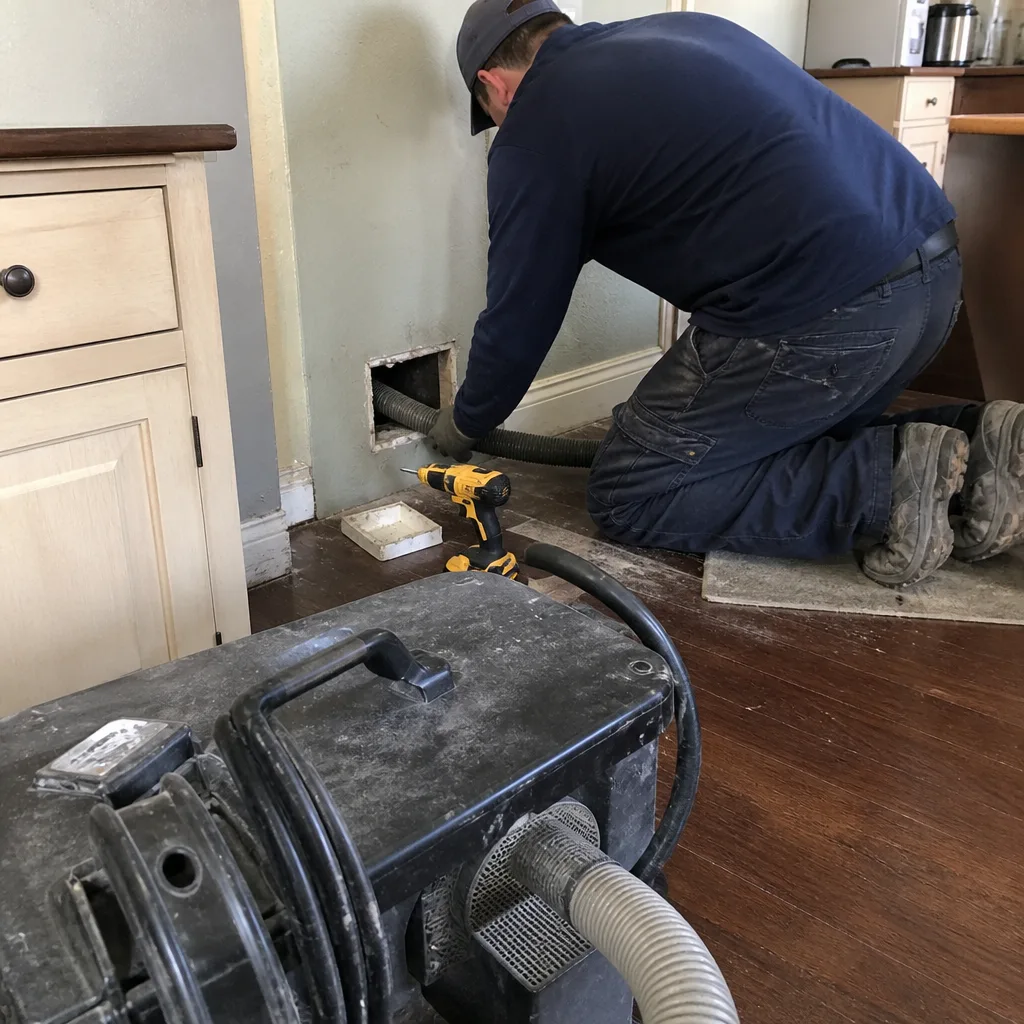 Before
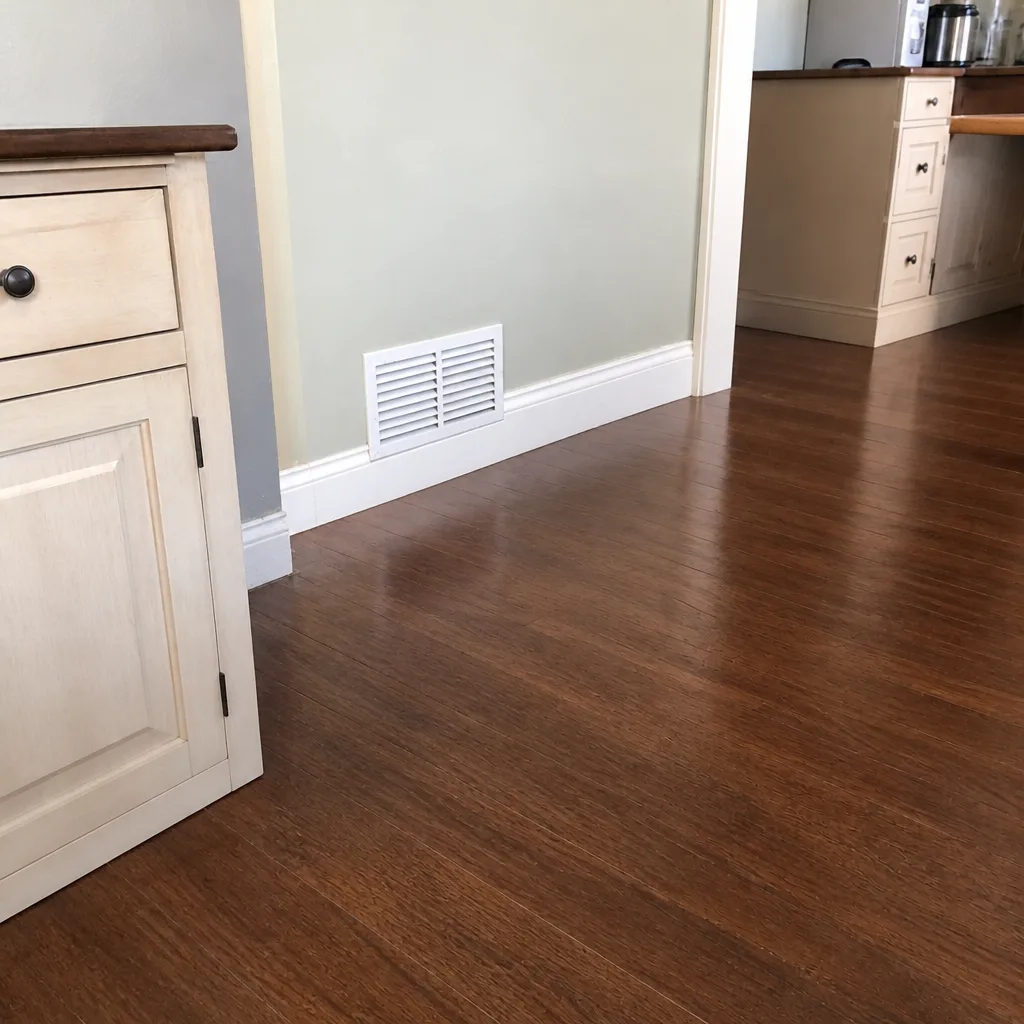 After
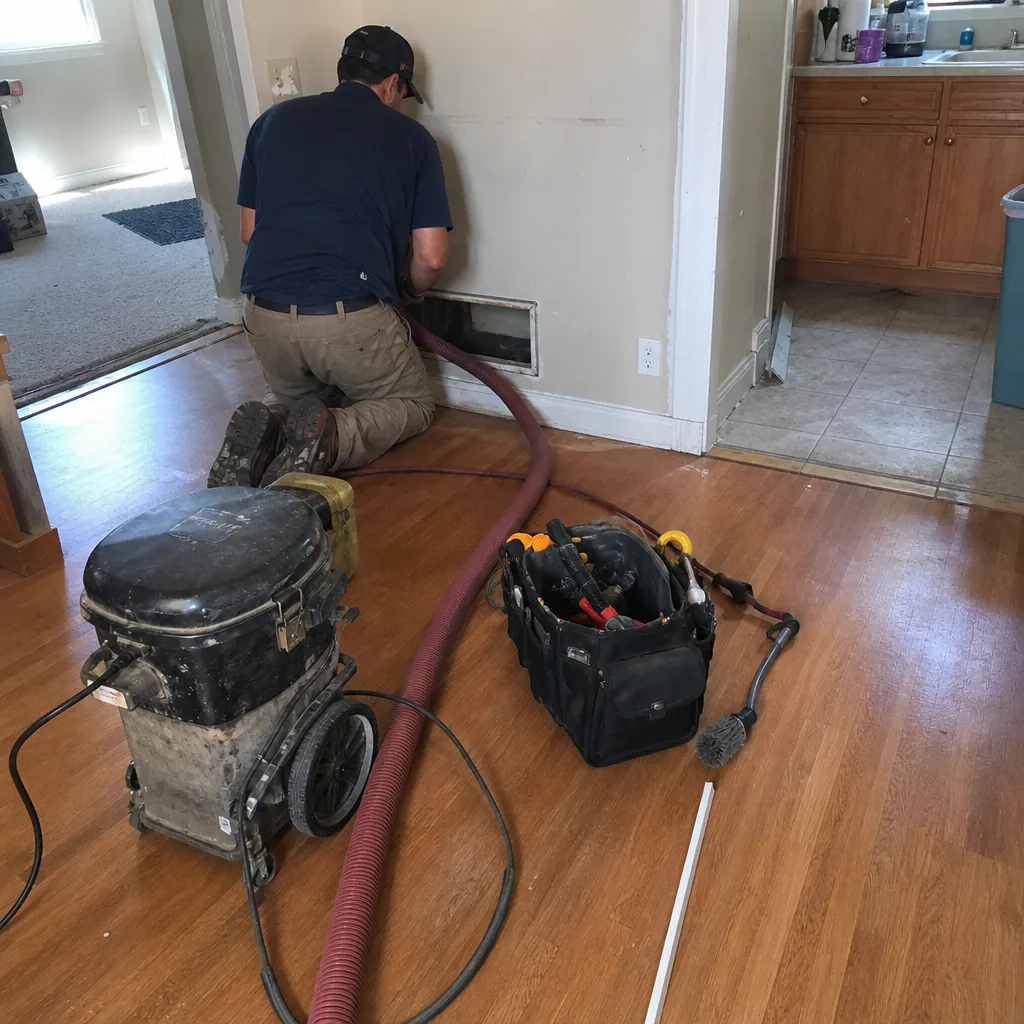 Before
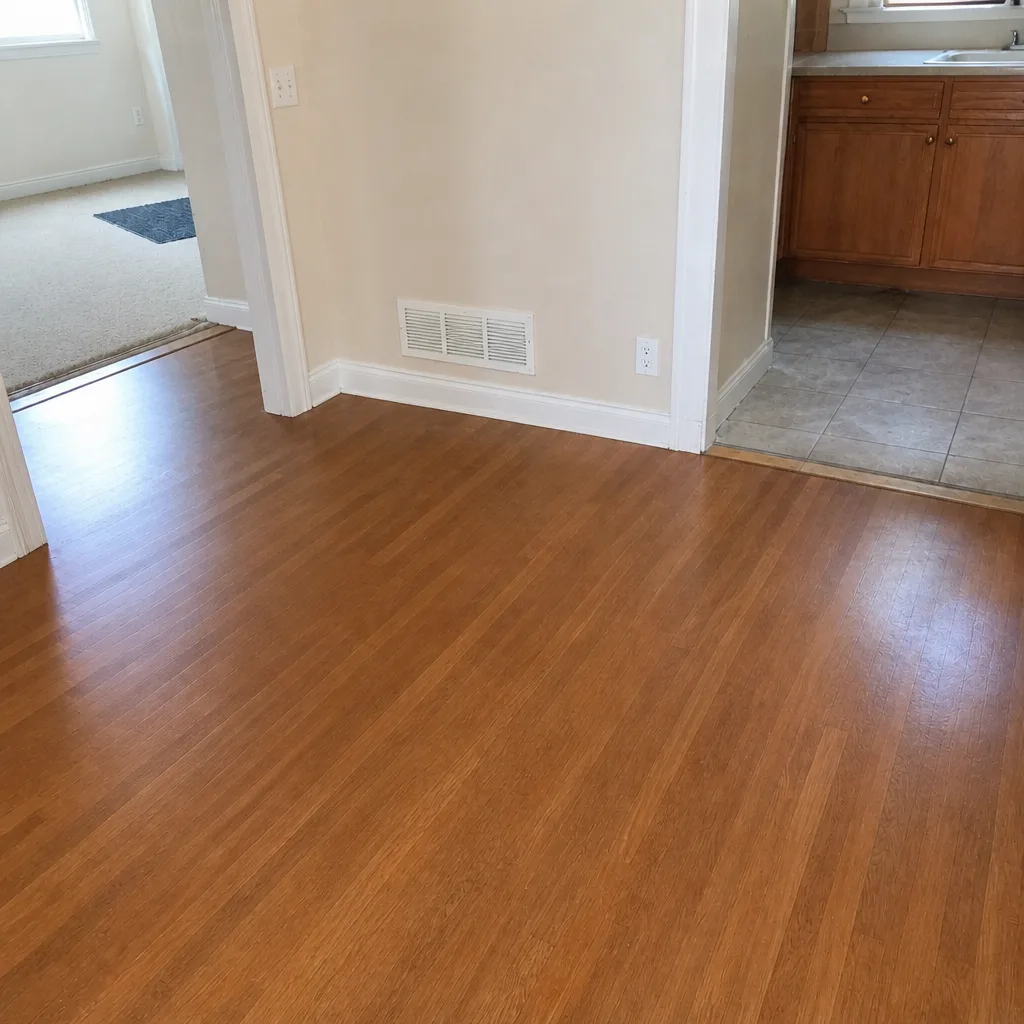 After
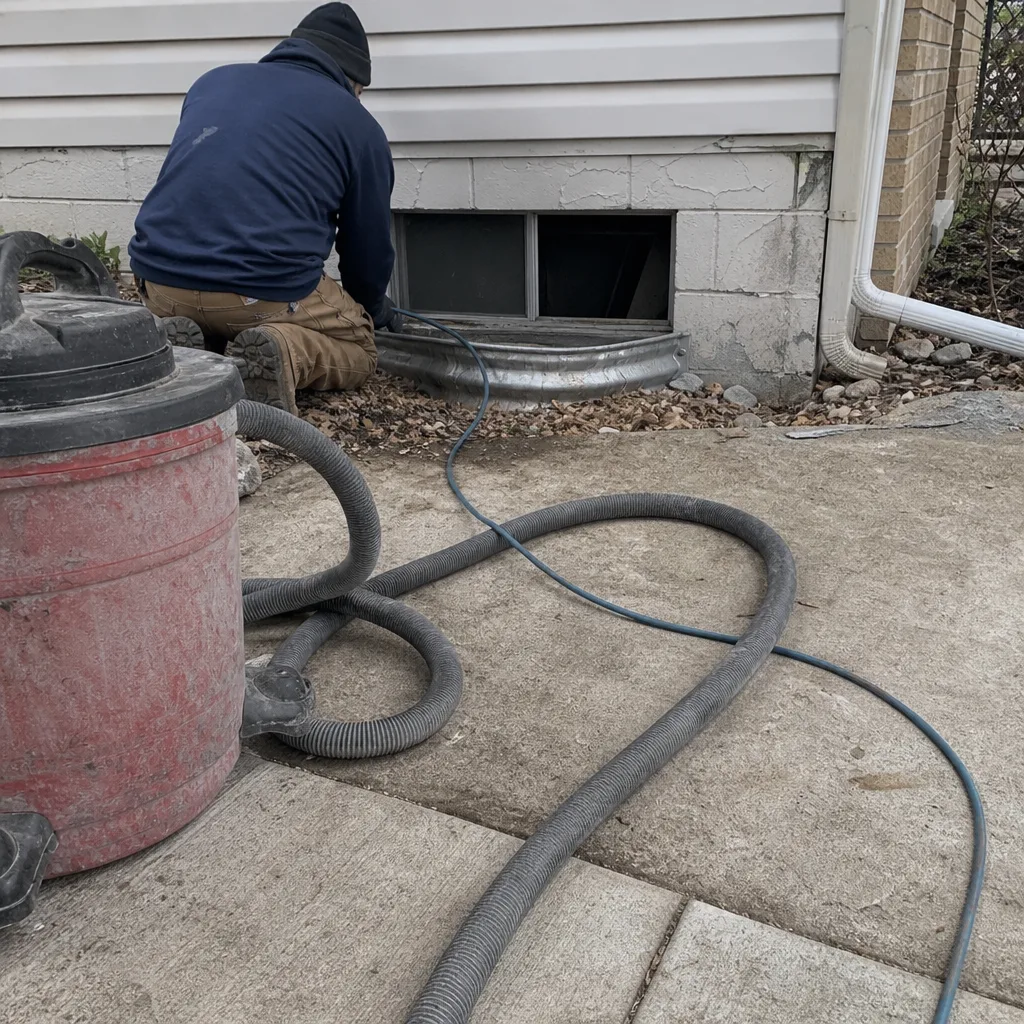 Before
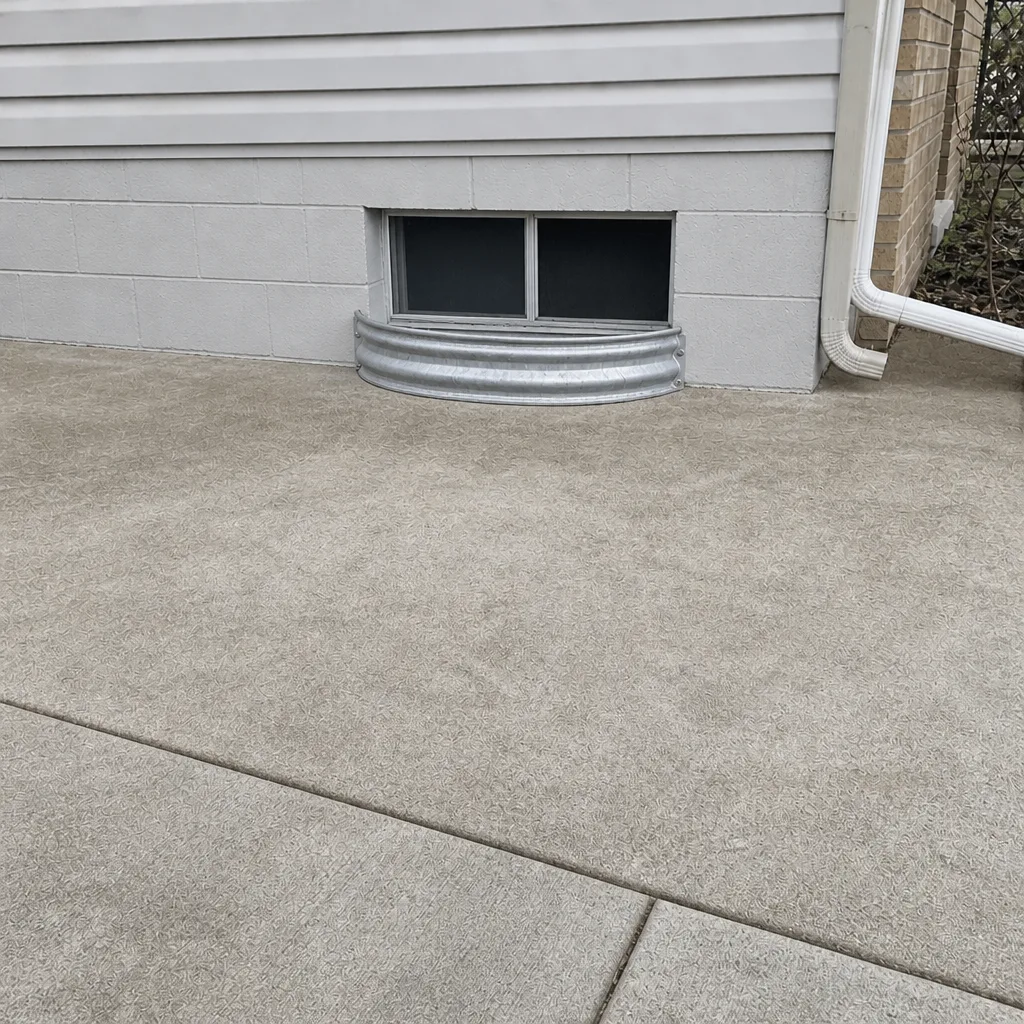 After
When to Call a Professional
Some duct issues are worth handling proactively, and some need attention right away. Call a professional if you notice a persistent musty or stale smell coming from the registers, if family members are experiencing allergy-like symptoms at home but not elsewhere, if airflow to some rooms is noticeably weaker than others, if you’ve recently finished a remodeling project that generated significant dust, or if you can’t remember the last time the ducts were cleaned. Mold, pest activity, and visible debris around registers are also clear signs to bring in someone with proper containment equipment. Dryer vents should be cleaned on a regular schedule regardless of whether you’ve noticed a problem, since lint accumulates silently. Air Duct Cleaning Meadow Hills offers free estimates in Meadow Hills – call (855) 419-1723. We answer 24/7, with fast dispatch from 7am to 7pm, Sunday through Friday.
Frequently Asked Questions
In the Meadow Hills market, whole-home duct cleaning typically runs from about $350 to $700 depending on the number of systems, home size, and whether sealing or sanitizing is included. Homes with two HVAC systems or significant contamination run higher. The written estimate sets the final price, and we quote per system rather than per vent. Call (855) 419-1723 for an exact quote – estimates are free.
Cheap quotes usually reflect undersized equipment, a shortened scope, or a price that gets revised upward once the technician is inside the home. A low advertised price often depends on an in-home upsell to make financial sense. Ask what equipment is coming, ask for a written scope, and compare apples to apples rather than comparing the headline number. Call (855) 419-1723 if you’d like to talk through a quote you’ve already received.
Ask for before-and-after photos of your own ductwork, taken during the job. Professional-grade equipment like Rotobrush and Nikro systems allows crews to photograph the interior of each duct run, and a reputable contractor will provide those photos without being asked. If a contractor can’t provide them, the documentation isn’t there. Call (855) 419-1723 for a written scope and photo documentation policy up front.
Most homes get by with a cleaning every three to five years; homes with pets, recent remodeling, or allergy concerns may want it more often. Homes with evaporative coolers should be checked more regularly because of mineral dust accumulation. Use a visual inspection and a smell test as your guide between cleanings rather than a fixed calendar. Call (855) 419-1723 if you’re not sure where to start.
NADCA membership indicates a contractor has agreed to follow the association’s standards and code of ethics, and it’s a useful baseline for screening. It doesn’t guarantee the quality of any specific job, so pair it with equipment questions and a written scope. You can verify membership directly through NADCA’s public directory. Call (855) 419-1723 to ask about the standards our team follows.
In many Meadow Hills homes, yes. Clean ducts that leak through disconnected joints or gaps in the duct wall still lose conditioned air and allow dust back into the system. Duct repair and sealing handles that, and it’s the piece most cleaning-only contractors skip. Call (855) 419-1723 to find out whether your home’s duct system has leaks worth sealing.
The Bottom Line
Hiring a duct cleaning contractor in Meadow Hills comes down to three things: equipment that can actually do the job, a written scope that spells out exactly what’s included, and a contractor willing to answer your questions before anyone shows up. The RED flags are consistent and visible if you know what to look for: per-vent pricing, vague scope language, refusal to provide written estimates, and equipment that doesn’t measure up. Verify NADCA membership independently, ask the three equipment questions, and insist on before-and-after photos of your actual ducts. If you want to skip the vetting process, Air Duct Cleaning Meadow Hills runs professional-grade Rotobrush and Nikro equipment, offers a full five-service scope, and works with Honeywell- and Aprilaire-backed air quality solutions. Call (855) 419-1723 for a free estimate. We answer 24/7, with fast dispatch from 7am to 7pm, Sunday through Friday.
Written by the team at Air Duct Cleaning Meadow Hills.