
Last updated November 25, 2026
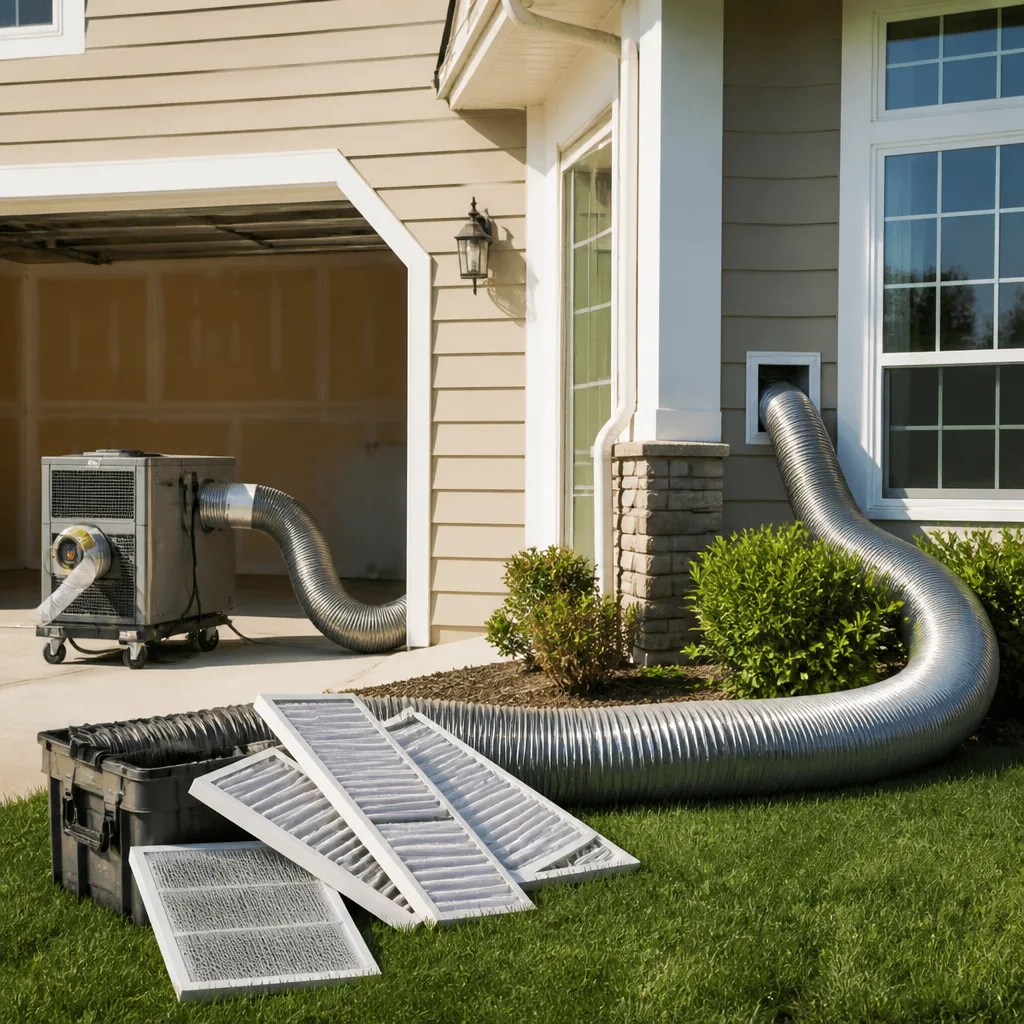 Whole-home duct cleaning
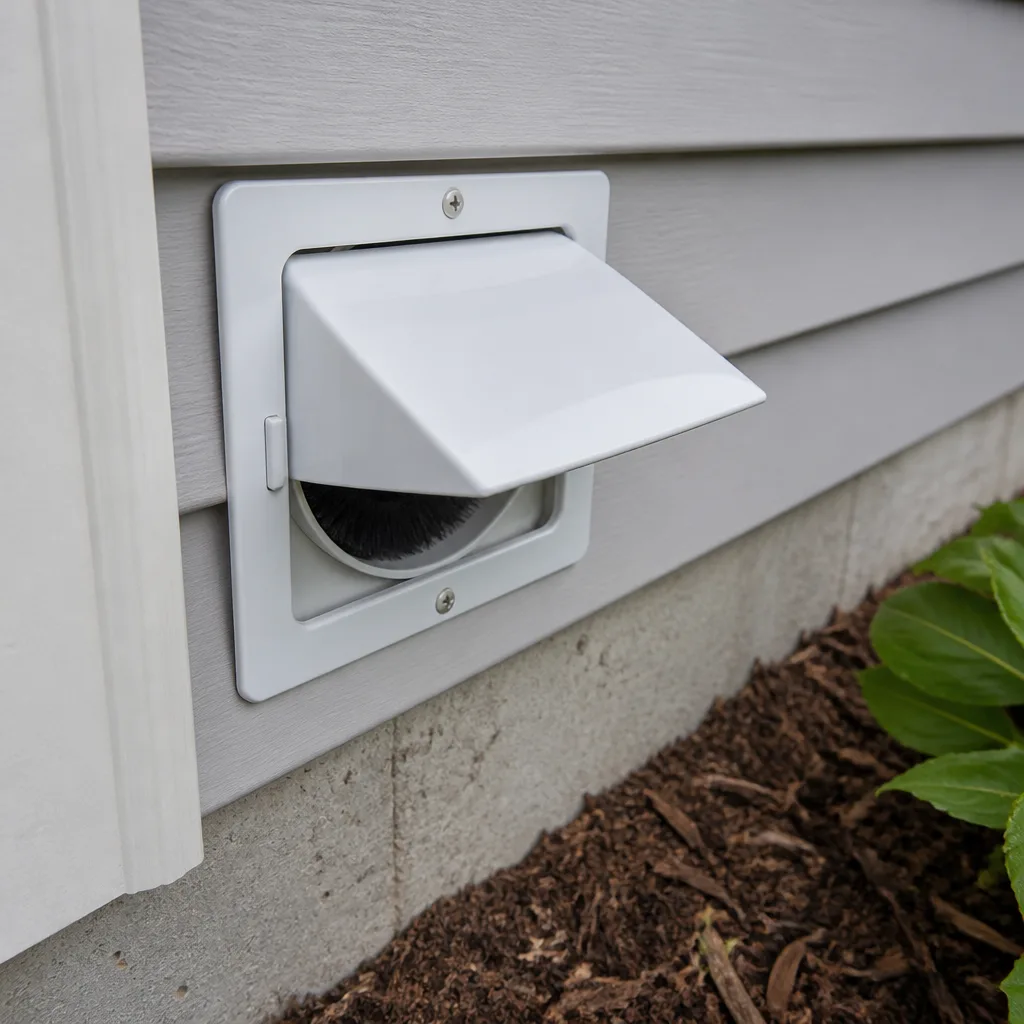 Dryer vent cleaning
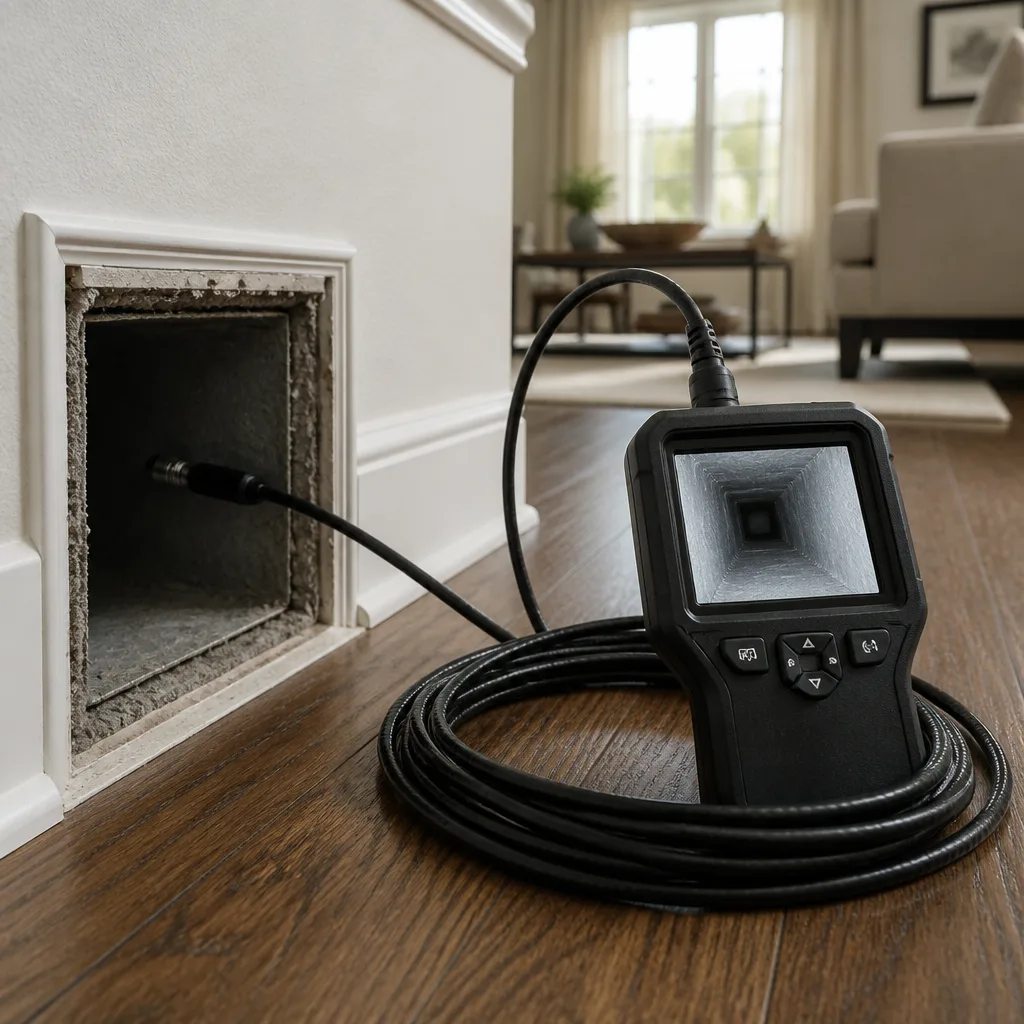 Camera inspection
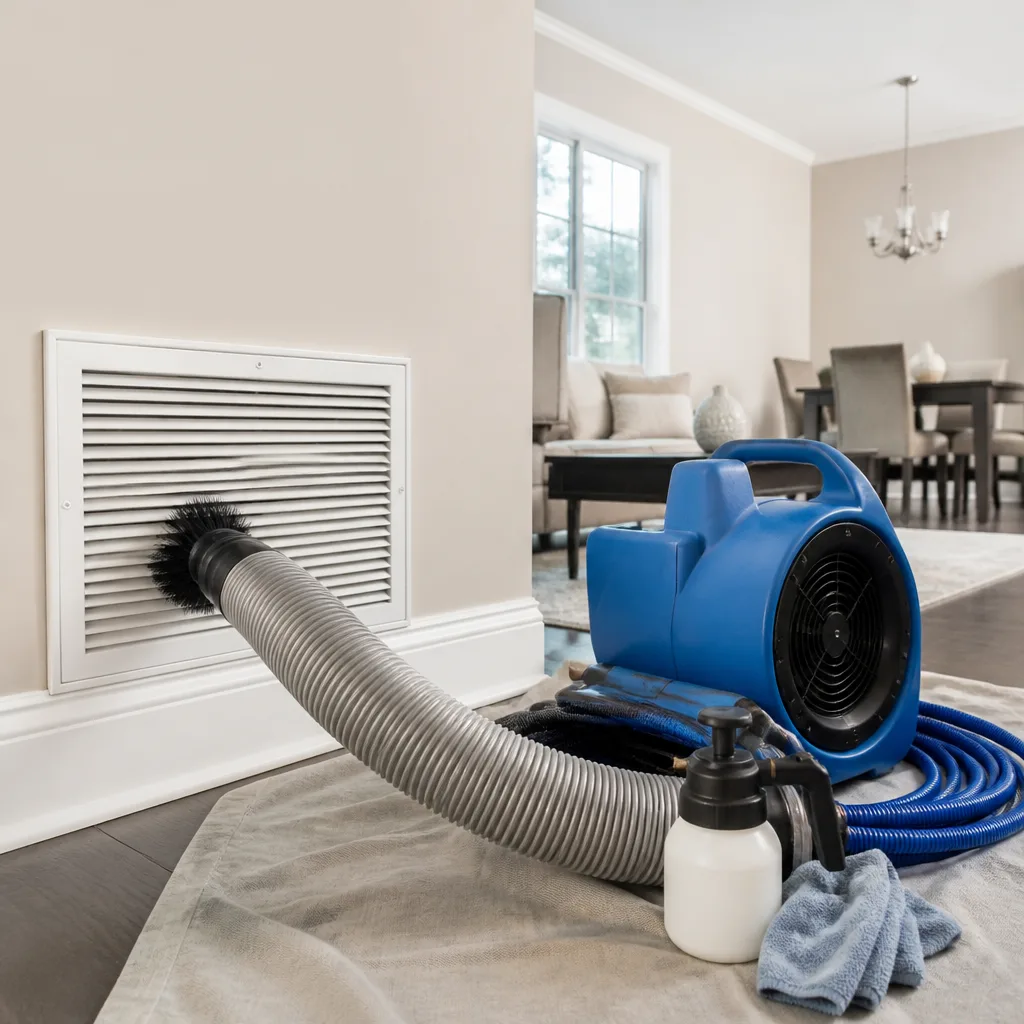 Sanitizing & deodorizing
Whole-system duct and dryer vent check with before-and-after photos - you see exactly what came out of your vents
That "$99 whole-house special" is a bait ad - the real number appears once they are in your hallway, or the "clean" is a shop-vac at the register. We photograph the inside of your ducts before and after instead.
Seasonal Air Duct Cleaning Care for Meadow Hills: Year-Round Homeowner’s Guide
Most duct cleaning advice you’ll find online was written for an average American climate that doesn’t exist here. Meadow Hills homes can run their furnaces 200 or more days a year, then pivot straight into air conditioning season, then spend late summer filtering wildfire smoke from regional fires. That’s not the cycle the national guidelines had in mind. This guide maps a cleaning and maintenance calendar to the climate this city actually has: a September pre-heating window that matters more than any other, a spring coil check before the first AC day, a summer airflow audit, and a two-year professional cycle built around Colorado’s extremes rather than a generic once-a-year rule.
Quick Answer
In Meadow Hills, the highest-priority professional duct cleaning window is late August through September, before the furnace comes on for the long heating season. Follow it with an evaporator coil and airflow check in April or May, and consider professional cleaning on a two-year cycle rather than annually because Colorado’s dry air and closed-window winters load residential duct systems more slowly than humid climates do. Wildfire smoke years may justify an extra filter and cleaning pass in late summer.
Styles & brands we work with
- Whole-home duct cleaning
- Dryer vent cleaning
- Camera inspection
- Sanitizing & deodorizing
Table of Contents
- Why Meadow Hills Duct Care Doesn’t Follow National Rules
- The September Window: Pre-Heating Season Cleaning
- Wildfire Smoke Season: How Fine Particulate Loads a Duct System
- Spring Transition: The Evaporator Coil Check Before AC Season
- Summer Airflow and Static Pressure: What High AC Demand Reveals
- Building a Two-Year Service Cycle Around Meadow Hills Climate
- What You Can Check Yourself Between Professional Visits
- The Dryer Vent Piece Most Homeowners Forget
Why Meadow Hills Duct Care Doesn’t Follow National Rules
National duct cleaning recommendations usually land on “every three to five years” or “as needed,” because they’re averaging Florida humidity, Mid-Atlantic pollen seasons, and desert dust into one number. Meadow Hills sits at the intersection of two problems most of those guidelines never split apart: a heating season that starts earlier and ends later than the national average, and a late-summer smoke season that deposits a completely different kind of particulate into the same ducts.
That dual load changes the math. The dust that settles in a Meadow Hills return duct from October through April is mostly household particulate – skin cells, fabric fibers, pet dander, cooking residue – carried on warm air from a furnace running hard against cold outside temperatures. The particulate that arrives in August is finer, often invisible at the register, and behaves differently once it’s inside the system. Fine smoke particulate bonds to surfaces in a way that ordinary household dust doesn’t, which means a system that looked “fine” in June can show measurable staining on the blower wheel and evaporator coil face by September.
Local housing stock matters too. Meadow Hills has a mix of older homes with original sheet metal trunk lines and newer construction with flex duct runs, and the two age differently. Sheet metal ductwork with taped or mastic joints tends to develop pinhole leaks at seams as the tape dries out, which is one reason we treat duct repair and sealing as a core service rather than an upsell. Flex duct is more forgiving at the joints but collects dust along the corrugated interior more readily.
The practical upshot: Meadow Hills homeowners benefit from a calendar, not a reminder card that says “annual cleaning.” The rest of this guide walks through that calendar, season by season, and explains what a technician is actually looking for at each stage.
The September Window: Pre-Heating Season Cleaning
September is the highest-value cleaning and inspection window on the Meadow Hills calendar, and it’s the one most homeowners skip because they’re not thinking about their furnace yet. The logic is straightforward. Once the furnace drops into regular use in October, whatever dust, smoke residue, and debris sat in the ducts all summer gets blown through the living space every time the blower runs – for five to seven months.
Cleaning and inspecting before that first heat cycle means the system distributes clean air from day one, not from the first thaw.
Here’s what a thorough pre-heating assessment should cover:
- Return and supply plenum inspection. A camera or visual check of the main trunk and plenum for debris accumulation, loose insulation, and pest evidence. Mice and squirrels find their way into ducts through the roof jack or crawlspace gap in fall, and it’s a genuine call-out.
- Blower wheel and cabinet check. Dust caked on the blower wheel throws it out of balance and reduces airflow; look for visible buildup before the heating season starts, not after.
- Filter and filter housing assessment. Confirm the filter is the right MERV rating for the system and that the housing isn’t bypassing air around the filter edges – a common reason filters underperform.
- Joint and seam inspection. Walk the visible duct runs checking for separated tape, gaps at boots, and crushed or disconnected flex runs. Those are the leaks worth fixing while the system is open for cleaning.
- Combustion air and flue separation check. Confirm that return-air pathways are sealed away from any combustion appliance zone. If you smell gas or suspect a flue issue near ductwork, stop and call a licensed HVAC or gas professional – this is not a do-it-yourself inspection.
Once cleaning is done, the system is in its best possible condition for the year’s heaviest operating load. If we’re already on site, it also makes sense to have air duct cleaning completed in the same visit rather than scheduling a separate trip in November.
Wildfire Smoke Season: How Fine Particulate Loads a Duct System
Late-summer wildfire smoke events are the single biggest local variable that national duct care advice ignores. When regional fires push smoke into the Front Range air, the particles that matter are the fine ones – the kind that slip past a standard fiberglass filter and settle anywhere the airflow is slow. Ducts are exactly that: low-velocity boxes where particulate drops out of the airstream and stays.
This is not the same load as household dust. Smoke particulate is finer, tends to be more chemically active on metal surfaces, and produces the “smoky smell every time the fan kicks on” complaint we hear each August and September. A shop-vac-through-the-register approach doesn’t touch it. Professional-grade equipment from Rotobrush and Nikro is built to agitate and capture fine particulate along the full length of the run, not just clear the register boot.
A reasonable smoke-season response looks like this:
- Upgrade the filter during smoke events. A higher-MERV filter captures more fine particulate, but check that your system’s blower can handle the added restriction. A Honeywell or Aprilaire filter cabinet is often the right upgrade for homeowners who want higher filtration without fighting a 1-inch slot.
- Keep windows and doors closed during smoke advisories. Obvious, but worth stating: duct cleaning doesn’t help if you’re pulling outside air back in through an open window on a bad air day.
- Check the return filter more often during smoke season. A filter that would normally last three months can load visibly in a few weeks of heavy smoke.
- Schedule a post-smoke cleaning if the system shows staining or odor. Visible gray staining on the blower wheel or evaporator face, or a persistent smell on startup, is the signal.
- Sanitizing may help after heavy smoke exposure. For systems with confirmed microbial growth or persistent odor, sanitizing with professional-grade product is a legitimate next step. We carry Honeywell- and Aprilaire-backed air quality products and Abatement Technologies equipment for contamination control, because the wrong fogger in a duct system can do more damage than it fixes.
Spring Transition: The Evaporator Coil Check Before AC Season
April and May are when Meadow Hills homeowners flip from heat to air conditioning, often within a week. That transition is the most overlooked window for one specific reason: it’s the moment in the year when the evaporator coil has just come off a long dry heating season and is about to start condensing moisture for the first time in months. In dry climates, that first-cold-coil-meets-summer-humidity cycle is where mold risk peaks.
Here’s the mechanism. Through winter, the coil sits dry. Dust and fine particulate accumulate on the fins and, in a system with a leaking return, on the coil’s upstream face. When the cooling season starts, that dry dust becomes a food source the moment condensate wets it. The result is a musty smell from the registers within the first few weeks of AC use, and in worse cases visible growth on the coil face.
A pre-AC inspection should cover:
- Coil face condition. Visible dust matting or gray/dark staining on the fins means the coil needs cleaning before the cooling season starts.
- Condensate pan and drain line. Confirm the pan drains freely; a slow drain in spring becomes an overflow in July.
- Return duct sealing. Any return leak in a hot attic or crawlspace pulls unconditioned humid air across the coil, which is exactly the load the coil is trying to remove. Sealing that leak reduces coil moisture and helps the system run more efficiently.
- Air handler cabinet check. Confirm the cabinet is sealed; gaps around the blower and coil door leak air into the attic instead of into the house.
This is also where HVAC cleaning earns its keep, because the coil and blower check aren’t part of a duct-only visit. Getting the full system inspected before the AC season starts is a cleaner approach than waiting for a musty smell to appear in June.
Summer Airflow and Static Pressure: What High AC Demand Reveals
Summer is the diagnostic season for ductwork integrity. When the AC runs hard through a Meadow Hills July, the system is running at its highest static pressure of the year, and any weakness in the duct run shows up as a hot room or a short-cycling unit. Static pressure is simply the resistance the blower pushes against; a clean, well-sealed system runs at lower pressure and moves more air for the same energy input.
The symptoms worth paying attention to in summer:
- One or two rooms never get cool. This is usually a duct sizing, balancing, or leak issue, not a refrigerant problem.
- The system runs long cycles and never quite satisfies the thermostat. Restricted airflow is a candidate, alongside a coil or filter problem.
- Whistling or roaring at certain registers. That’s the sound of a pressure imbalance – often a crushed flex run or a supply boot that’s leaking into the wall cavity.
- Dust puffing out of registers when the system starts. A sign the return is pulling from an unclean source (attic, crawlspace) through a leak.
Summer is the right time to spot these because the system is under load and the weak points are visible. It’s the wrong time to fix them by throwing a higher-MERV filter at the problem – an overly restrictive filter on a marginal system makes static pressure worse, not better. This is where professional airflow assessment pays off. A technician measures static pressure and compares it against the blower’s rated capacity, then traces the source of the restriction.
When the summer inspection does reveal leaks, the right answer is to seal them, not to clean around them. Duct repair and sealing is a core part of the work here because a cleaning followed by a leaky return is a cleaning that expires fast.
Building a Two-Year Service Cycle Around Meadow Hills Climate
For most Meadow Hills homes, a well-executed professional cleaning on a two-year cycle, with an inspection in between, holds up better than an annual schedule. The reasoning is climate-specific: Colorado’s dry air means less moisture-driven microbial growth in ductwork than humid climates see, so the driver of annual cleanings elsewhere – recurring mold or musty odor – is less common here. What does drive cleaning need in this city is heating-season particulate load and smoke-season fine particulate, both of which accumulate more slowly than humidity-driven problems.
Here’s the cycle we’d sketch for a typical single-family home in Meadow Hills:
- Year 1, September: Full professional cleaning and inspection before furnace season. Evaluate filter cabinet, sealing needs, and blower condition.
- Year 1, April: Pre-AC coil and airflow inspection. No full cleaning expected unless smoke season was heavy the prior year.
- Year 1, July-August: Watch for smoke events. Filter check monthly during smoke advisories; escalate to cleaning if staining or odor is present.
- Year 2, September: Routine inspection. Clean only if the inspection shows meaningful accumulation.
- Year 2, April: Pre-AC coil and airflow check again.
- Year 3, September: Second full professional cleaning, sealing repair as needed, and filter cabinet review.
That said, this isn’t a rule that fits every home. Households with pets, new construction dust, or recent renovations may need a shorter interval. Households in older Meadow Hills homes with original sheet metal ductwork should expect more frequent sealing work, because tape joints dry out and split with age.
The important shift is treating the cycle as climate-driven rather than calendar-driven. A “clean once a year, every year” habit from a humid-climate guide doesn’t match what a Meadow Hills duct system actually needs.
What You Can Check Yourself Between Professional Visits
You don’t need to open the ductwork to stay on top of things, and you shouldn’t try to. But a few homeowner-level checks keep the system honest between professional visits.
- Check the return filter on a schedule and more often during smoke advisories. Hold it to a light source; if you can’t see clearly through it, replace it.
- Walk the registers and note which ones are weak. Write it down rather than remembering. It gives a technician useful information.
- Look at the visible duct runs in the attic or crawlspace for separated tape or crushed flex. Look, don’t touch. Note what you find and point it out at the next visit.
- Smell test at startup. A dusty smell on the first heat cycle is normal and fades. A smell that persists past a few minutes or smells musty or smoky is worth a call.
- Check the dryer vent outside. Confirm the exterior flapper opens freely and that you feel strong airflow when the dryer runs. A slow dryer is the earliest, most reliable signal that the vent needs cleaning.
What you should not do: open the furnace cabinet, disconnect ductwork to “check inside,” or spray any consumer product into the registers. Dust disturbance in a duct system spreads through the house in minutes, and anything you spray goes everywhere the air goes.
The Dryer Vent Piece Most Homeowners Forget
Duct cleaning calendars usually ignore the dryer vent, and that’s a mistake. The dryer vent is a separate airflow path with a completely different maintenance rhythm, and it’s the one duct run in a home where lint accumulation is a recognized fire hazard rather than just a performance issue.
In Meadow Hills, the dryer vent tends to be more forgiving of some problems and harder on others. Colorado’s dry air means less condensation inside the vent, so lint stays loose and travels further before it settles. But that also means lint can accumulate further down the run, in the middle of a wall or behind a knee wall where the homeowner can’t see it. The visible lint at the exterior flapper is only a fraction of what’s in the line.
A professional dryer vent cleaning addresses the full run, including the segment beyond the exterior wall and the elbow behind the dryer, where shop-vac-based approaches often can’t reach. If the dryer is taking two cycles to dry a load, that’s the signal the vent is overdue.
Common Mistakes to Avoid
- Following a national “every three to five years” rule literally. That number assumes a different climate; Meadow Hills needs a local calendar, not a generic interval.
- Cleaning in October or November instead of September. At that point the first heating cycle has already distributed the summer’s accumulation through the whole house.
- Fixing the dust, not the leak. Cleaning a duct system with leaky returns just means the next batch of attic dust finds the same path back in. Duct sealing is often the more valuable half of the work.
- Upgrading to a high-MERV filter during smoke season without checking the blower. A restrictive filter on a marginal system can make airflow worse. Meadow Hills systems in particular run at higher static pressure in summer, so filter upgrades deserve a measurement first.
- Skipping the spring coil check. The musty smell that surfaces in June almost always had its origin in April, and cleaning the coil before the AC season starts is faster and cheaper than after the first month of use.
- Forgetting the dryer vent entirely. It runs on its own cycle, it’s not covered by duct cleaning, and it’s the one vent in the house where lint accumulation is a fire concern.
- Letting a cut-rate crew “fog” the ducts without cleaning first. Sanitizing a loaded duct system locks the contamination in. Clean first, then sanitize if it’s warranted, using professional-grade product.
See the difference
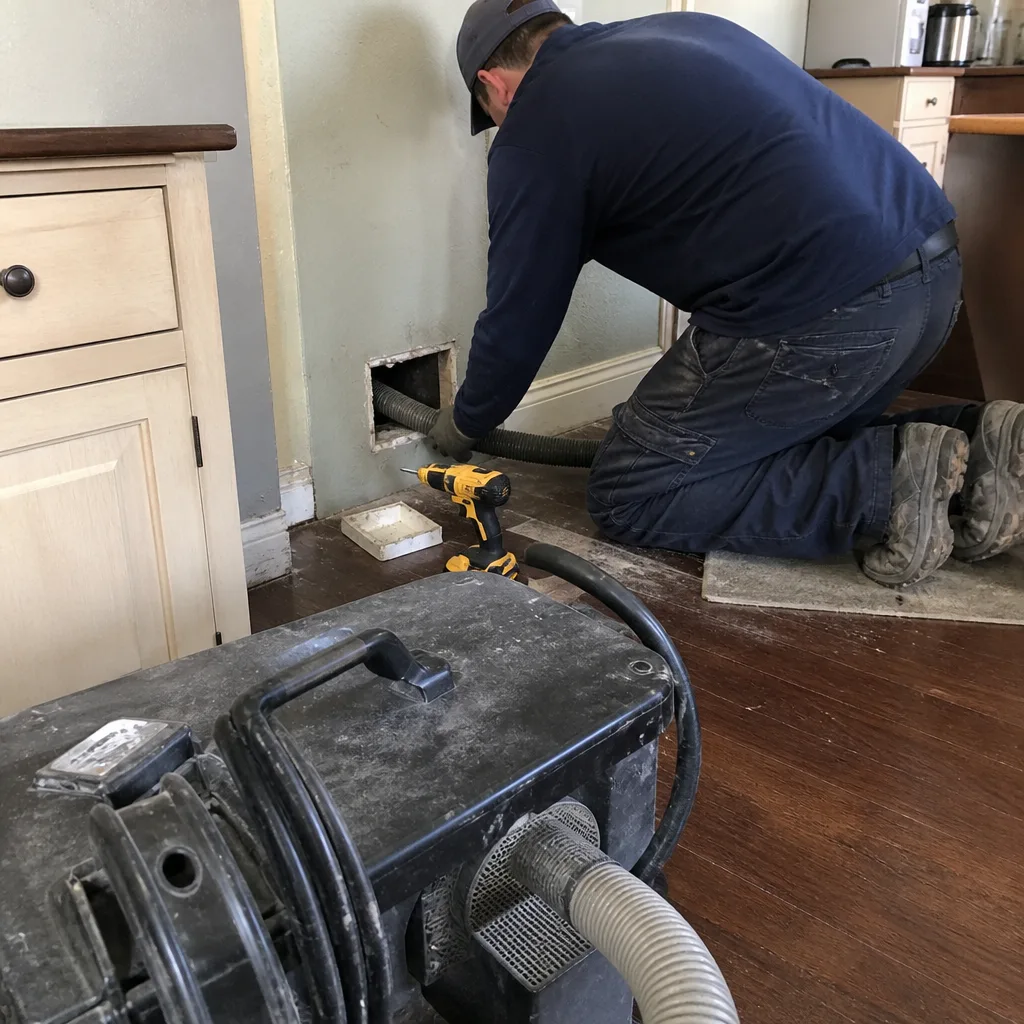 Before
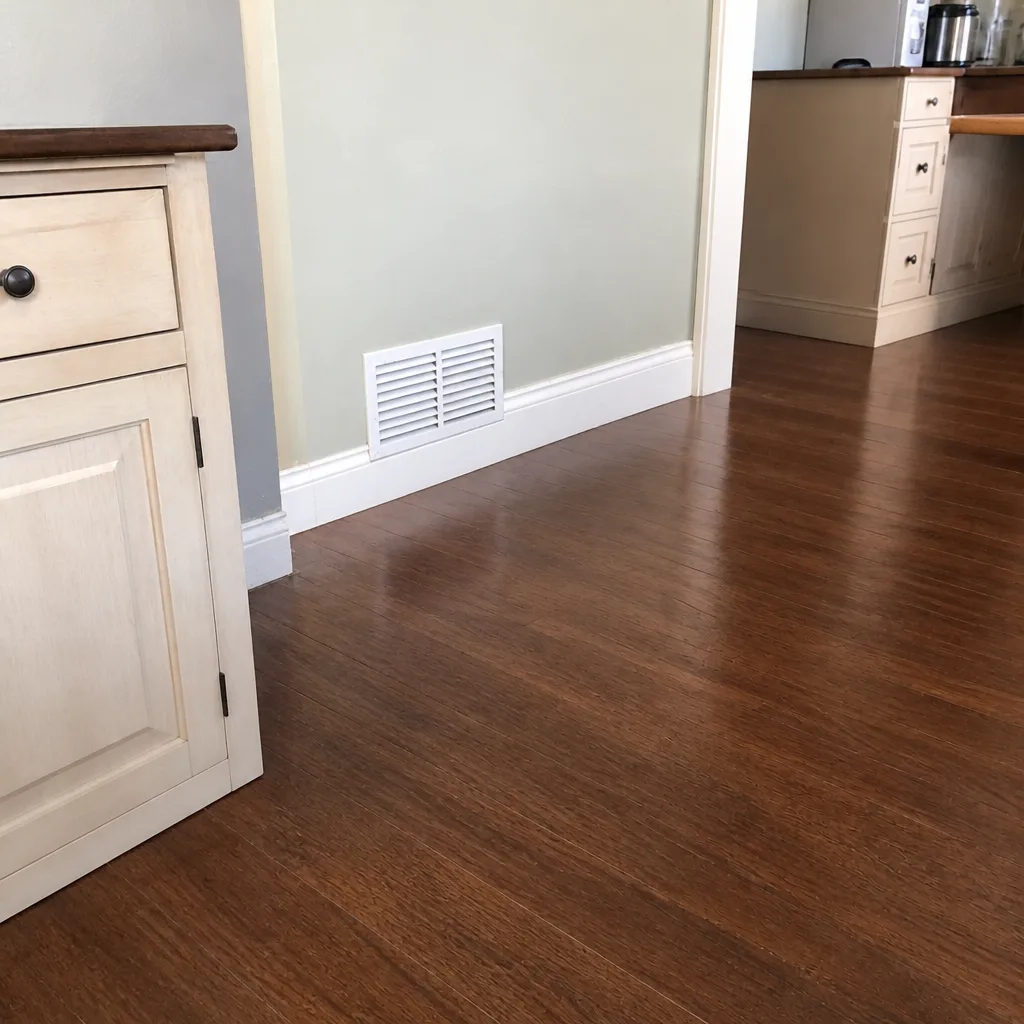 After
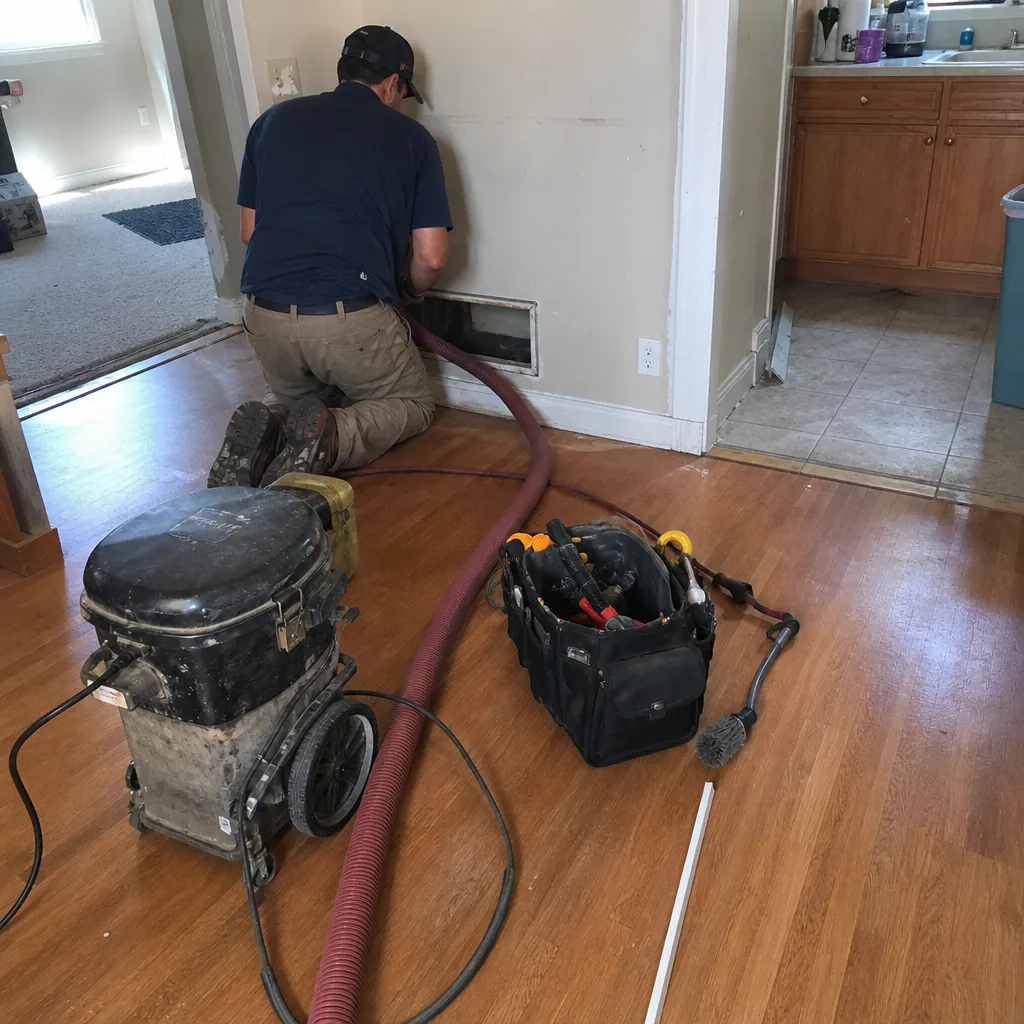 Before
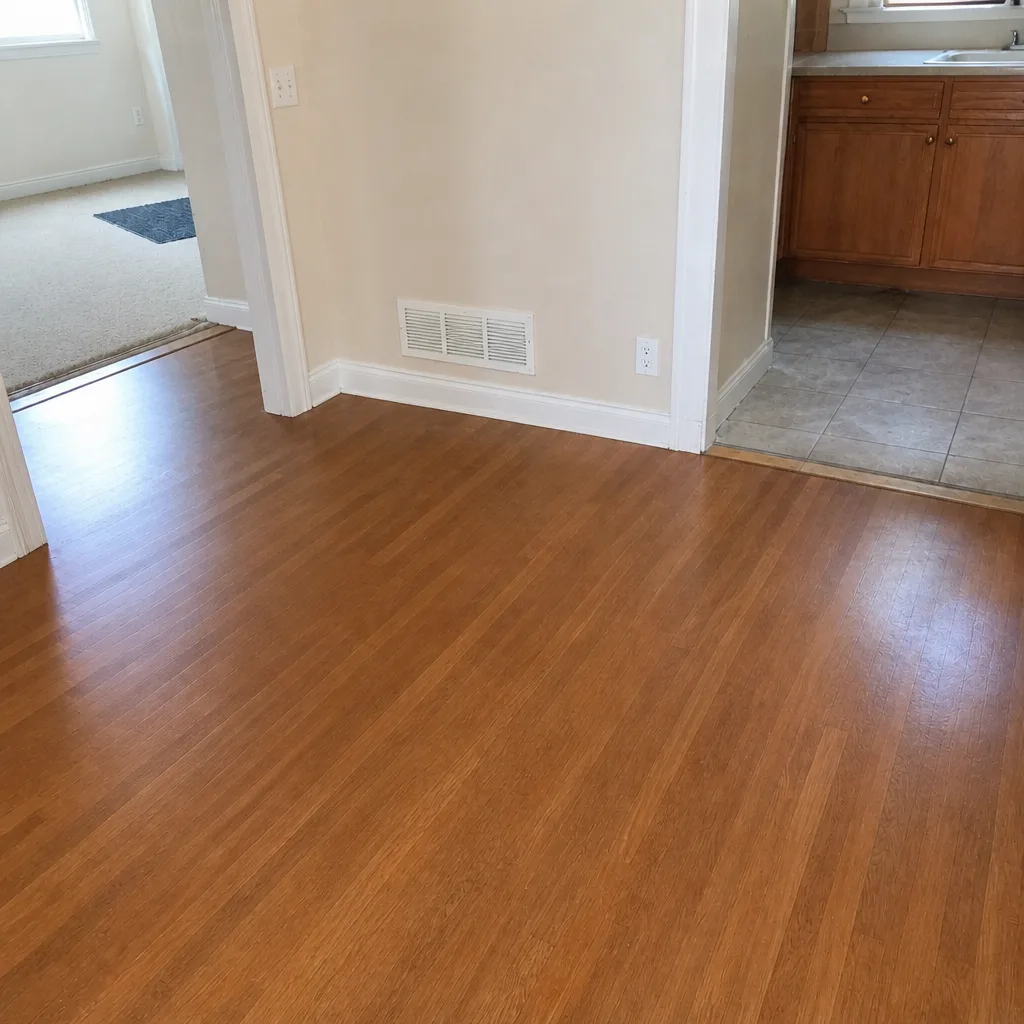 After
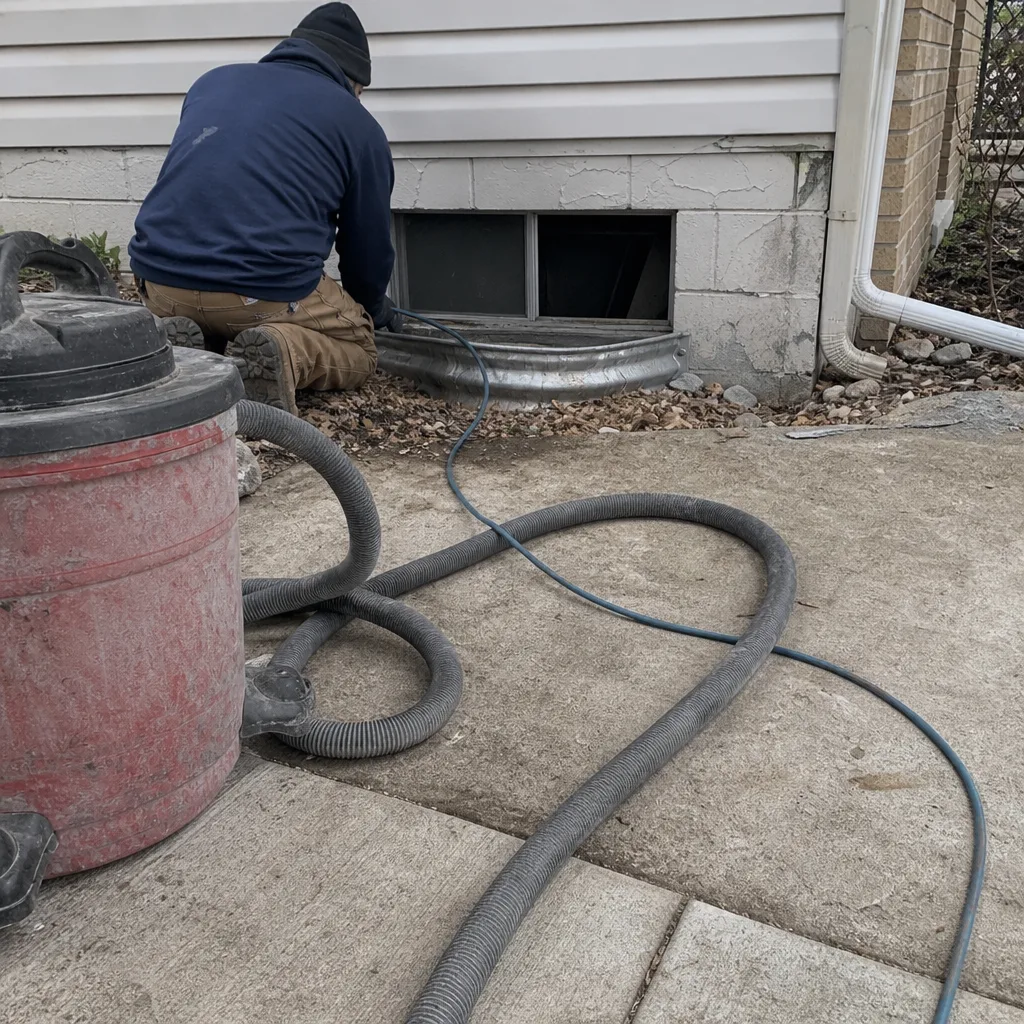 Before
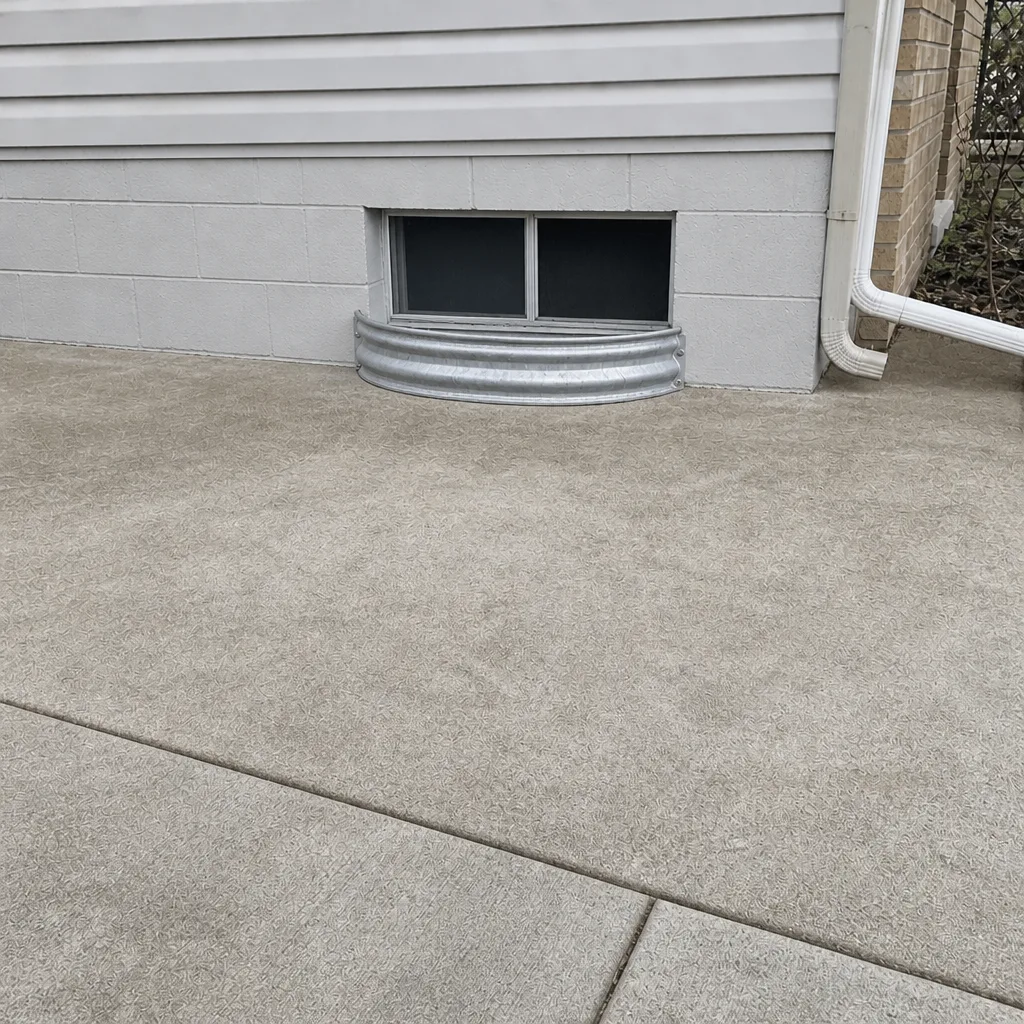 After
When to Call a Professional
Some problems are seasonal routine and some are a call to action. Call a professional if you’re seeing visible dust blowing from registers on startup, a persistent musty or smoky smell that doesn’t clear after a few minutes of running the system, a room that never heats or cools correctly, or an AC unit that short-cycles through the summer. Call if you haven’t had the ducts looked at in years, if you’ve just bought a Meadow Hills home and don’t know the duct history, if the system was running during a heavy smoke season, or if your dryer needs two cycles to finish a load. Call if you’ve noticed insect or rodent evidence in the attic near the ducts. Air Duct Cleaning Meadow Hills offers free estimates in Meadow Hills – call (855) 419-1723. We answer 24/7. Fast dispatch from 7am to 7pm, Sunday through Friday.
Our technicians have up to 11 years of experience and operate professional-grade Rotobrush and Nikro equipment along with Honeywell, Aprilaire, and Abatement Technologies gear. If you’re ready to start with cleaning alone, Air Duct Cleaning Meadow Hills is a good place to look at the full scope of what we handle.
Frequently Asked Questions
Most Meadow Hills homes do well on a two-year professional cleaning cycle with an inspection in between, rather than an annual schedule. The dry local climate reduces the moisture-driven problems that push annual cleanings in humid regions, while heating-season and smoke-season accumulation run on a slower, distinct track. Homes with pets, recent renovations, or confirmed smoke staining should shorten that interval. Call (855) 419-1723 for an exact quote – estimates are free.
September gets the ducts clean before the furnace runs for five to seven continuous months. Clean it first, and every heating cycle that follows moves clean air through the house; clean it in November, and you’ve already distributed a summer’s worth of accumulation. It’s also the right time to catch sealing issues and blower dust before the system’s heaviest operating load.
Yes, and differently than household dust. Fine smoke particulate slips past standard filters, settles into ductwork where airflow is slow, and often produces a smoky smell every time the blower runs. A higher-MERV filter in a Honeywell or Aprilaire cabinet helps during smoke events, and a post-smoke cleaning is worth considering if the system shows staining or persistent odor. Call (855) 419-1723 for an assessment – estimates are free.
Because dry-climate systems accumulate dust on the evaporator coil through the heating season, and the first time the coil wets with condensate, that dust becomes a food source for microbial growth. That’s why a pre-AC coil and airflow inspection in April or May matters more here than many homeowners expect. Cleaning the coil before the cooling season starts handles it more easily than waiting until June.
We price per system, not per vent, and we set the exact price with a written estimate after looking at the system – because a two-return ranch and a three-zone two-story aren’t the same job. Teaser coupon pricing that looks dramatically lower usually hides per-vent add-ons or skips half the system, which is the bait-and-switch concern worth taking seriously. Call (855) 419-1723 for an exact quote – estimates are free.
Ask for before-and-after photos of your own ducts, not a stock portfolio. A thorough cleaning on professional-grade equipment changes the interior of the run visibly – if the crew can’t show you that, the cleaning is questionable. We document what we find, including any leaks worth sealing and any coil condition worth cleaning, and we guarantee the work.
The Bottom Line
Meadow Hills duct care is a climate-specific calendar, not a generic annual rule. The September pre-heating cleaning is the highest-value window on the year, the April coil and airflow check is the most ignored, and the smoke-season response is the piece most homeowners only think about after the fact. Build the cycle around those three moments on a two-year professional interval, seal what the inspection finds, and treat the dryer vent as its own separate line item. Done that way, the system runs cleaner, lasts longer, and does its job without you having to think about it. The alternative is following a national guide that was written for a different climate entirely.
Ready for a free estimate in Meadow Hills? Call (855) 419-1723. We answer 24/7. Fast dispatch from 7am to 7pm, Sunday through Friday.
Written by the team at Air Duct Cleaning Meadow Hills.