
Last updated November 25, 2026
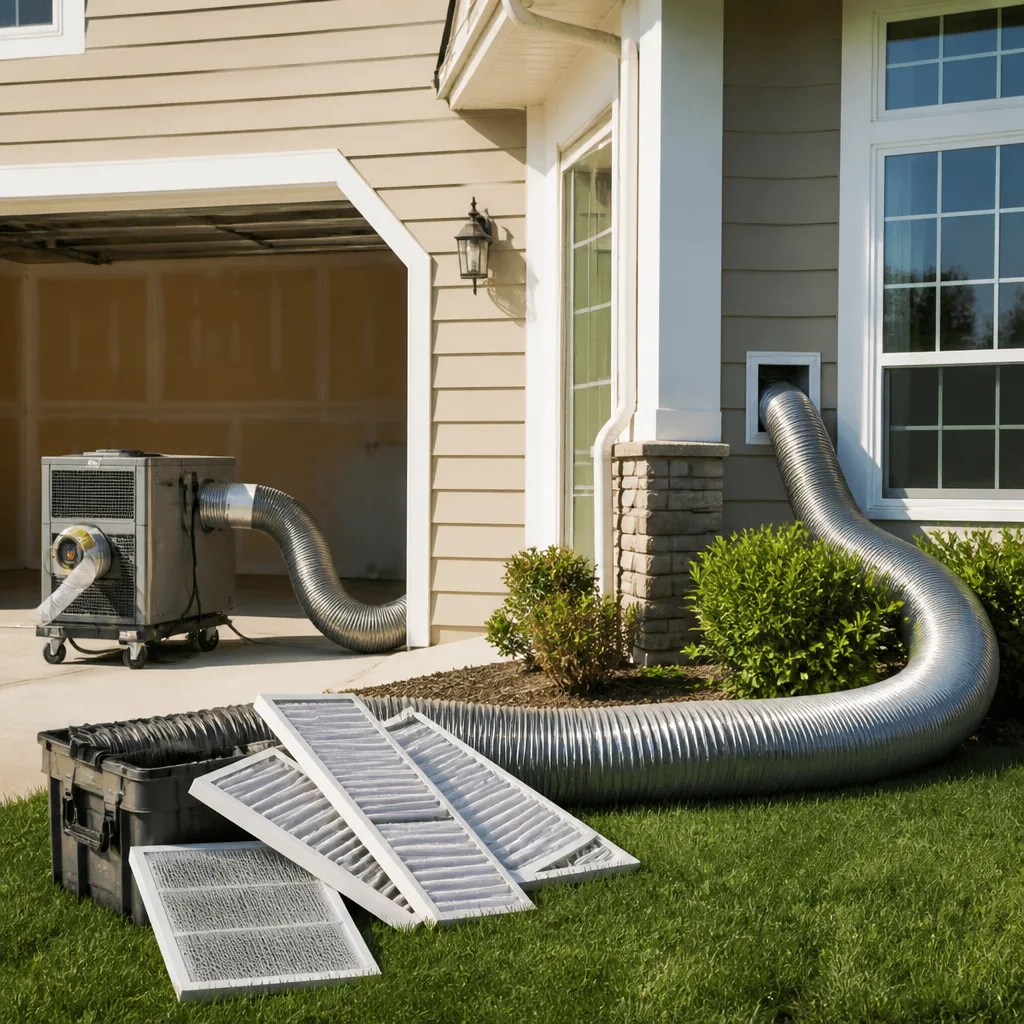 Whole-home duct cleaning
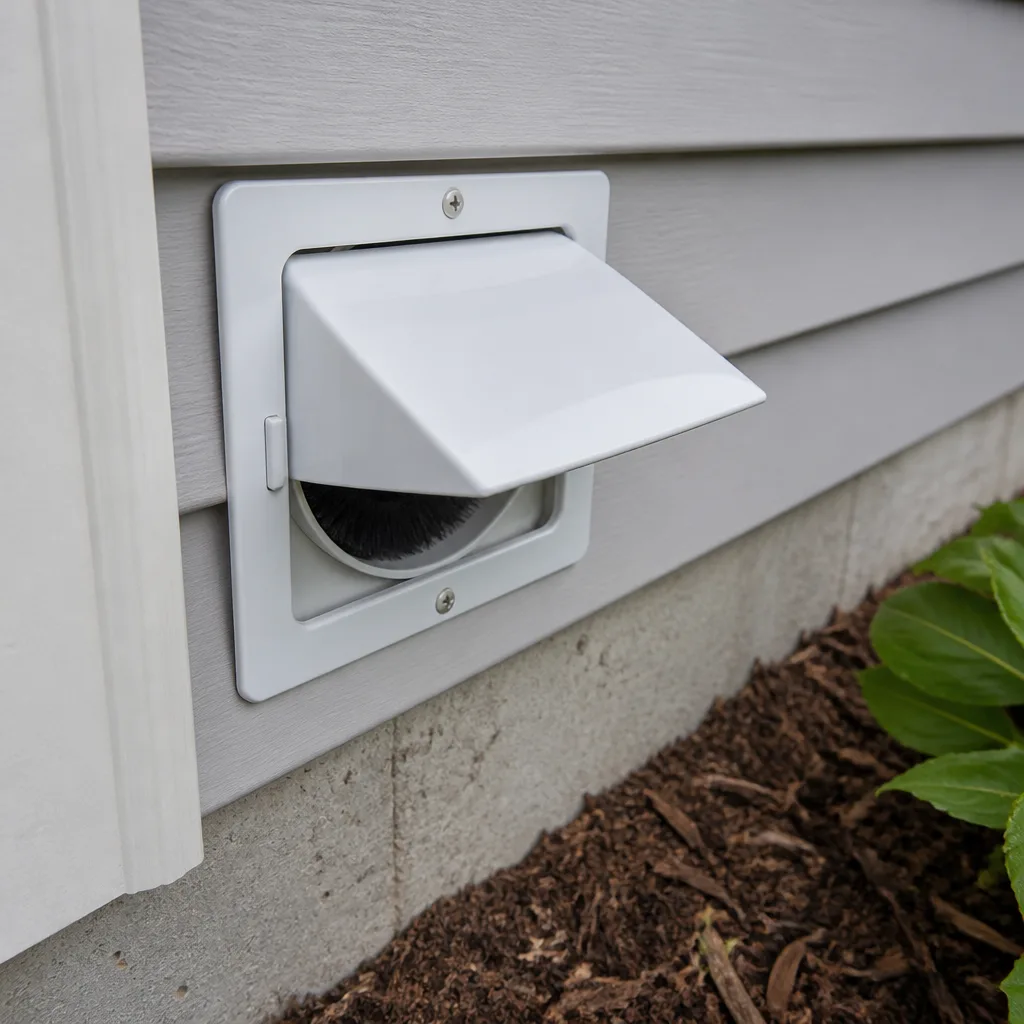 Dryer vent cleaning
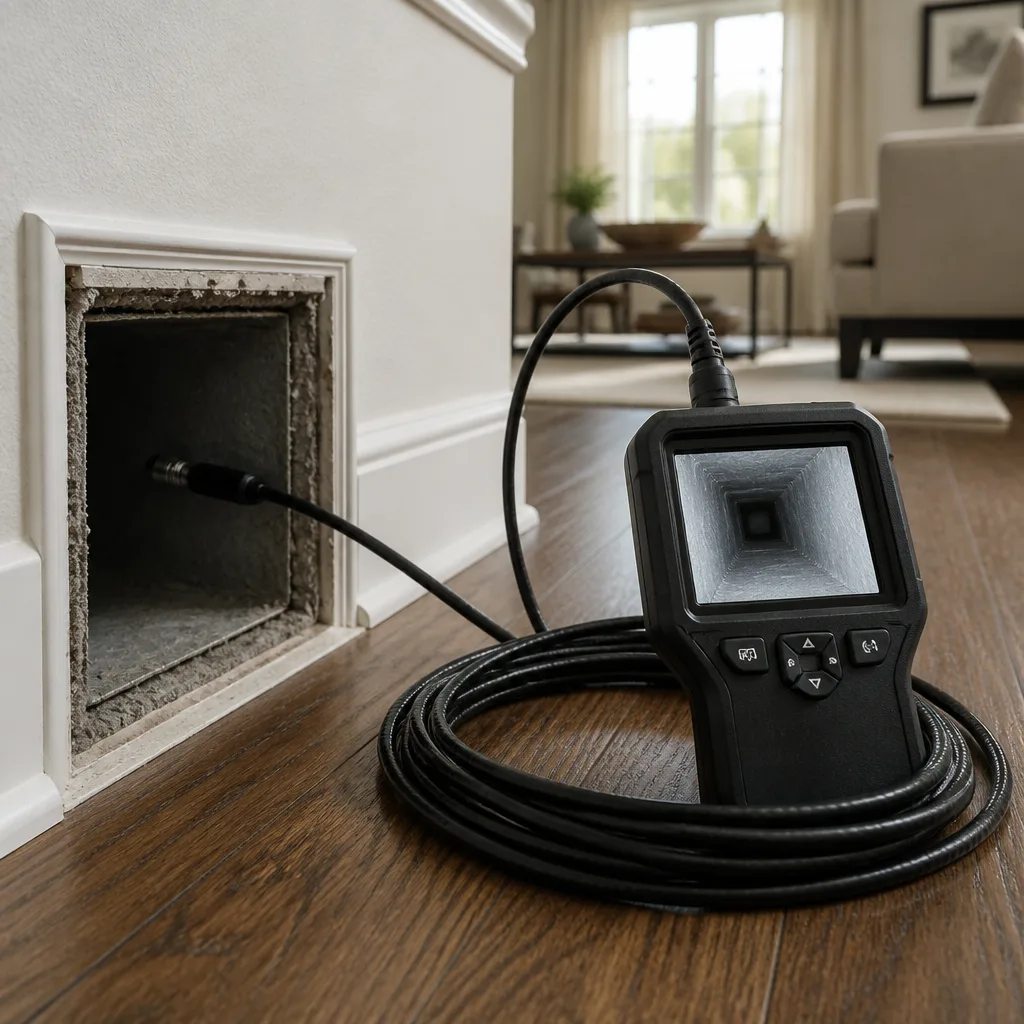 Camera inspection
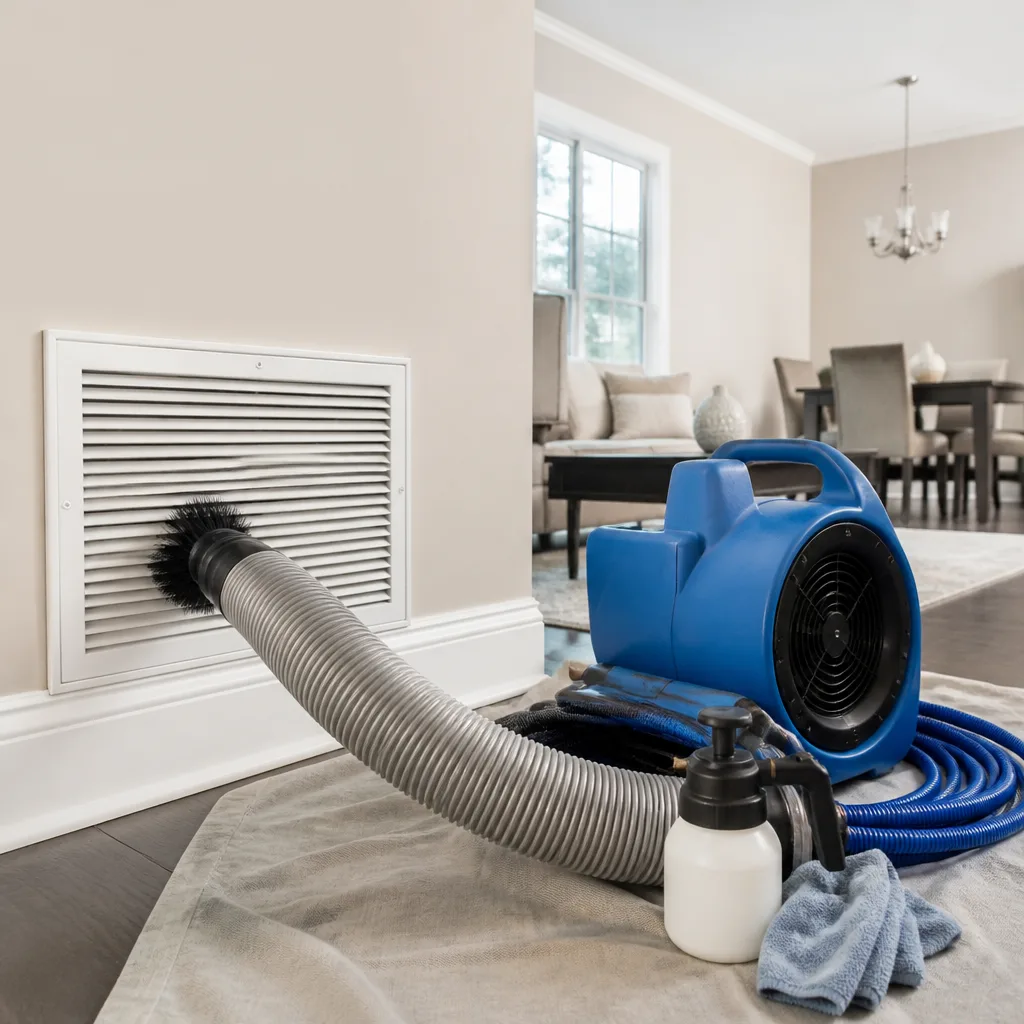 Sanitizing & deodorizing
Whole-system duct and dryer vent check with before-and-after photos - you see exactly what came out of your vents
That "$99 whole-house special" is a bait ad - the real number appears once they are in your hallway, or the "clean" is a shop-vac at the register. We photograph the inside of your ducts before and after instead.
Air Duct Cleaning Cost Breakdown: The Meadow Hills Homeowner’s Reference for 2026
Two quotes for the same Meadow Hills house can land hundreds of dollars apart, and the gap usually has nothing to do with greed or a bargain. It reflects different equipment, different scope, and a different definition of “cleaned.” A low bid that runs a portable vacuum at each register is not the same job as a truck-mounted source-removal system pulling the whole trunk line under negative pressure. This guide walks through what actually moves the price in Meadow Hills – duct material, home age, crawl space versus basement routing, accessibility, and which add-ons are legitimate – so you can predict your own job cost and read a quote with real context instead of a gut feeling.
Quick Answer
Air duct cleaning in Meadow Hills generally runs from a few hundred dollars for a straightforward single-system home to well over a thousand for a large, multi-story house with complicated routing, contaminated flex duct, or added services like coil cleaning and sanitizing. The number that matters is not the lowest quote but whether it covers the whole system – both supply and return, every component, with pre- and post-inspection documentation. The written estimate you receive after an on-site look sets the final price.
Styles & brands we work with
- Whole-home duct cleaning
- Dryer vent cleaning
- Camera inspection
- Sanitizing & deodorizing
Table of Contents
- What’s Actually Inside an Air Duct Cleaning Price
- Duct Material: Rigid Metal vs. Flex and What It Costs You
- Meadow Hills Housing Stock and How Layout Drives Access
- Truck-Mounted vs. Portable Equipment: Why the Price Gap Exists
- Legitimate Add-Ons vs. What Should Be in Base Scope
- The Real Cost of a Low-Bid Job
- How to Compare Quotes Apples-to-Apples
- The Scope Checklist to Hand Every Contractor
What’s Actually Inside an Air Duct Cleaning Price
A duct cleaning price is a bundle of labor, equipment time, and scope. When you break those apart, the quote stops looking arbitrary and starts looking like a menu. Here’s what’s typically inside the number, listed as line items you can ask about.
- Equipment and vacuum time. A truck-mounted unit with high CFM capacity takes longer to set up but moves far more debris than a portable. That setup is a real cost, and it’s the single biggest reason two quotes diverge.
- Number of vents and returns. More supply registers and return grilles mean more time. A whole-system job prices the whole system, not a per-vent rate.
- Access and routing. Ducts running through a tight crawl space or a finished basement ceiling take longer to reach than a clean attic run.
- Duct condition. Flex duct that’s collapsed or torn needs repair, not just cleaning. Rigid metal that’s intact cleans faster.
- Inspection and documentation. Before-and-after photos and a written summary of what was found add time but protect you.
- Add-ons. Coil cleaning, sanitizer application, and dryer vent work are legitimately separate because they’re separate jobs.
When a quote arrives as a single number with no breakdown, ask which of these it covers. A quote that can’t name its own scope is a quote you can’t compare. At Air Duct Cleaning Meadow Hills we build the estimate per system and settle the flat price before any work starts, so there’s no surprise line appearing after the technician is already on site.
Duct Material: Rigid Metal vs. Flex and What It Costs You
Duct material changes both the cleaning method and the time on the job, which is why two houses of similar square footage can price differently. Rigid galvanized metal holds its shape, takes mechanical agitation well, and cleans efficiently with professional-grade equipment. Flexible duct is a different story.
Flex duct, common in remodeled sections and additions, has a corrugated interior that traps debris in the ridges. If it’s sagging, kinked, or torn, cleaning alone won’t fix the airflow problem – the section needs repair or replacement. That’s why a thorough quote may flag flex runs for closer inspection rather than just running a brush through them.
In our experience across Meadow Hills, homes tend to have a mix: rigid trunk lines and older sheet-metal branches feeding some rooms, with flex added in later remodels. That mix is exactly why a one-price-fits-all quote is unreliable. A house with all rigid duct in good shape is a faster, simpler job. A house with failing flex returns needs more time and more decisions.
When you get a quote, ask the contractor to note the duct material they found and whether any runs are compromised. If a contractor can’t tell you what material is in your home, that’s a signal they haven’t looked closely. Duct repair and sealing capability matters here: a cleaning-only company will clean around a leaking flex joint, while a full-scope outfit will seal what it finds. Clean ducts are the beginning, not the end.
Meadow Hills Housing Stock and How Layout Drives Access
Where your ducts run matters as much as what they’re made of. In Meadow Hills, the two common routing patterns – crawl space and basement – create very different labor profiles, and multi-story homes add a layer of access complexity on top.
Crawl space routing
Ducts running through a crawl space often sit in tight, low-clearance areas where technicians have to work on their backs or from a narrow access hatch. That’s slower, more physical work, and it’s a legitimate reason a quote runs higher than a comparable home with open attic access.
Basement routing
Basement ductwork is usually more accessible, but a finished basement ceiling can mean ducts run behind drywall or above a soffit, requiring careful register access rather than open exposure. Either way, the contractor needs to reach every run, not just the easy ones.
Multi-story access complexity
A two- or three-story Meadow Hills home typically has a system split across floors, with returns in different zones and trunk lines that branch at inconvenient angles. That’s more hose runs, more register pulls, and more time on the truck vacuum. A home with one central system on a single level is the simpler job; a multi-story with a second zone is not.
None of these are excuses to inflate a bill – they’re real labor factors, and a good quote accounts for them. If a contractor quotes without walking the whole house, they’re guessing. Call (855) 419-1723 to have your layout assessed before you commit. We answer 24/7. Fast dispatch from 7am to 7pm, Sunday through Friday.
Truck-Mounted vs. Portable Equipment: Why the Price Gap Exists
The single largest driver of price difference between quotes is the vacuum. A truck-mounted source-removal unit and a portable vacuum are not the same tool, and the price gap reflects CFM capacity, job time, and how thoroughly the system gets cleaned.
A truck-mounted system generates far more airflow (measured in cubic feet per minute, or CFM) than a portable unit. That high negative pressure does the heavy work: it pulls loosened debris out of every branch of the system toward the vacuum, not just the register where the brush is spinning. Portable units, by contrast, typically have to create negative pressure locally, which means debris in distant branches may never get pulled out at all.
The equipment difference also shows up in time. A truck-mounted setup requires running hose from the truck to the system, which takes setup time but pays off in cleaning speed and thoroughness. A portable unit might look faster to start, but it cleans a narrower footprint. That’s the trade a lower quote is usually making: less capacity, less scope, sometimes a shop-vac-style tool that doesn’t reach the trunk line.
Professional-grade equipment matters here, and it’s the distinction we lead with. Air Duct Cleaning Meadow Hills operates Rotobrush and Nikro systems – the same class of equipment commercial and restoration contractors use – along with Abatement Technologies gear for contamination control. That’s not a marketing point; it’s the reason a professional job takes the time it does and reaches the parts of your duct system a portable can’t. You can read more about the full process on our air duct cleaning page.
Legitimate Add-Ons vs. What Should Be in Base Scope
Add-ons get a bad name because some contractors use them as upsell padding. But some are genuine, separate jobs that involve different equipment and different labor. Here’s how to tell them apart.
Legitimate add-ons
- Coil cleaning. The evaporator coil is a separate component from the ducts. A dirty coil restricts airflow and is a separate cleaning procedure, so it’s reasonably priced separately.
- Sanitizer application. Applied after cleaning to address microbial growth, this is a distinct treatment. Honeywell and Aprilaire products are brand-backed, and Abatement Technologies equipment supports contaminant control where it’s warranted.
- Dryer vent cleaning. A completely different system with a real fire-safety dimension. It belongs on the quote as its own line, never bundled invisibly.
- Duct repair and sealing. If a run is torn or a joint is leaking, sealing it is additional labor with real material cost. This one separates full-scope companies from cleaning-only ones.
What should be in base scope, not an add-on
- Cleaning both supply and return sides of the system.
- Cleaning all registers, grilles, and the air handler cabinet.
- Pre- and post-cleaning inspection with photos.
- Protecting floors and furnishings during the job.
If a quote lists “return side cleaning” or “register cleaning” as a paid extra, that’s not an add-on – it’s the work being split to make the headline number look lower. Ask for a quote that covers the entire air system as the base scope. If you’re curious how dryer vent work fits in, our dryer vent cleaning page explains the separate process.
The Real Cost of a Low-Bid Job
A low bid isn’t automatically a bad job, but it’s usually a different job. The question a homeowner should ask is not “how much cheaper is this” but “what’s missing to get that number.”
The most common missing piece is negative pressure source removal. When a job runs without a high-capacity vacuum holding the whole system under negative pressure, loosened debris doesn’t all leave the house. Some of it settles back into the branches that weren’t reached, and some of it gets pushed into living spaces during the process rather than extracted. That means re-contamination can begin almost immediately – the ducts may look cleaner at the registers while the trunk line and distant branches are untouched.
There’s a timing factor to understand, too. A duct system that hasn’t been serviced in years accumulates dust, pet dander, and debris in a fairly predictable way. A thorough source-removal job resets that baseline. A shallow job doesn’t reset it at all, so the homeowner is back to where they started but with a lighter wallet and a false sense of completion. That’s the hidden cost of the low bid: you pay twice.
The other hidden cost is what doesn’t get fixed. A cleaning-only crew that finds a collapsed flex run or a leaking joint has nothing to offer but a note. A full-scope company seals what it finds. That’s the difference between a marginally cheaper clean and actually solving the airflow problem. Meadow Hills homes with mixed duct material often need that repair capability, and a quote that doesn’t include a plan for it is incomplete.
How to Compare Quotes Apples-to-Apples
Comparing duct cleaning quotes is only fair if every quote covers the same ground. Most don’t, so the numbers look closer or farther apart than they really are. Here’s a numbered method for lining them up.
- Confirm the scope covers the whole system. Ask each contractor to state in writing that the quote includes both supply and return sides, all registers, and the air handler.
- Ask about equipment. Truck-mounted source-removal with a specified CFM capacity, or portable? This single answer explains most of the price gap.
- Check the inspection protocol. Every quote should include a pre-clean and post-clean inspection, with before-and-after photos of your own ducts.
- Count the components. Vents, returns, coil, and any identified problem runs should all appear on the line items.
- Separate add-ons from base scope. Make sure return-side cleaning and register cleaning aren’t priced as extras.
- Ask what happens if damage is found. A quote with no answer for duct repair is a quote that leaves you halfway finished.
- Get it in writing. The written estimate should state a flat price per system, agreed before work starts.
When you line up two quotes this way, the “cheaper” one often turns out to be doing less. If it does, it’s not cheaper – it’s a different service. And a quote that survives all seven checks is one you can trust the number on, because you’ve verified what’s behind it.
The Scope Checklist to Hand Every Contractor
The fastest way to keep a quote honest is to hand every contractor the same checklist and ask them to fill it in. Any contractor who resists a written scope is telling you something. Print this and use it for each quote.
- Does the price cover the entire system, supply and return?
- What equipment will be used, and is it truck-mounted or portable?
- How many supply registers and returns are included?
- Is the air handler cabinet cleaned as part of the job?
- Will you provide before-and-after photos?
- Is pre- and post-inspection included?
- Is coil cleaning included, or priced separately?
- How will you address any torn or leaking duct you find?
- Is the price flat, or does it change if the job runs longer?
- What do you do if you discover mold or heavy contamination?
A contractor using professional-grade equipment and a full scope will answer every line without hesitation. Those answers are what a fair price actually buys. If you’re also scheduling HVAC work, our HVAC cleaning page covers how that pairs with duct cleaning in one visit.
Common Mistakes to Avoid
- Choosing on price alone. The lowest bid is usually a smaller scope, not a bargain. Compare line items, not headline numbers.
- Accepting a per-vent quote. A whole-system price is the only fair way to compare. Per-vent pricing invites a low base that grows as vents are added.
- Skipping the pre-inspection. Without a documented starting point, you have no way to verify what was actually accomplished.
- Assuming cleaning fixes airflow. If a run is collapsed or leaking, cleaning alone won’t help – repair and sealing will. Ask what happens if damage is found.
- Forgetting the dryer vent. It’s a separate system with a fire-safety dimension. A duct cleaner that skips it entirely is leaving a real risk unaddressed.
- Believing “sanitizer” replaces cleaning. A fogger over dirty ducts seals contamination in place. Sanitizing belongs after a thorough mechanical clean, not instead of it.
- Not checking for a written estimate. A verbal number isn’t a price. Get it in writing, per system, before anyone starts.
Meadow Hills homeowners who avoid these seven traps usually end up with a job that holds up for years rather than a quick clean that fades.
See the difference
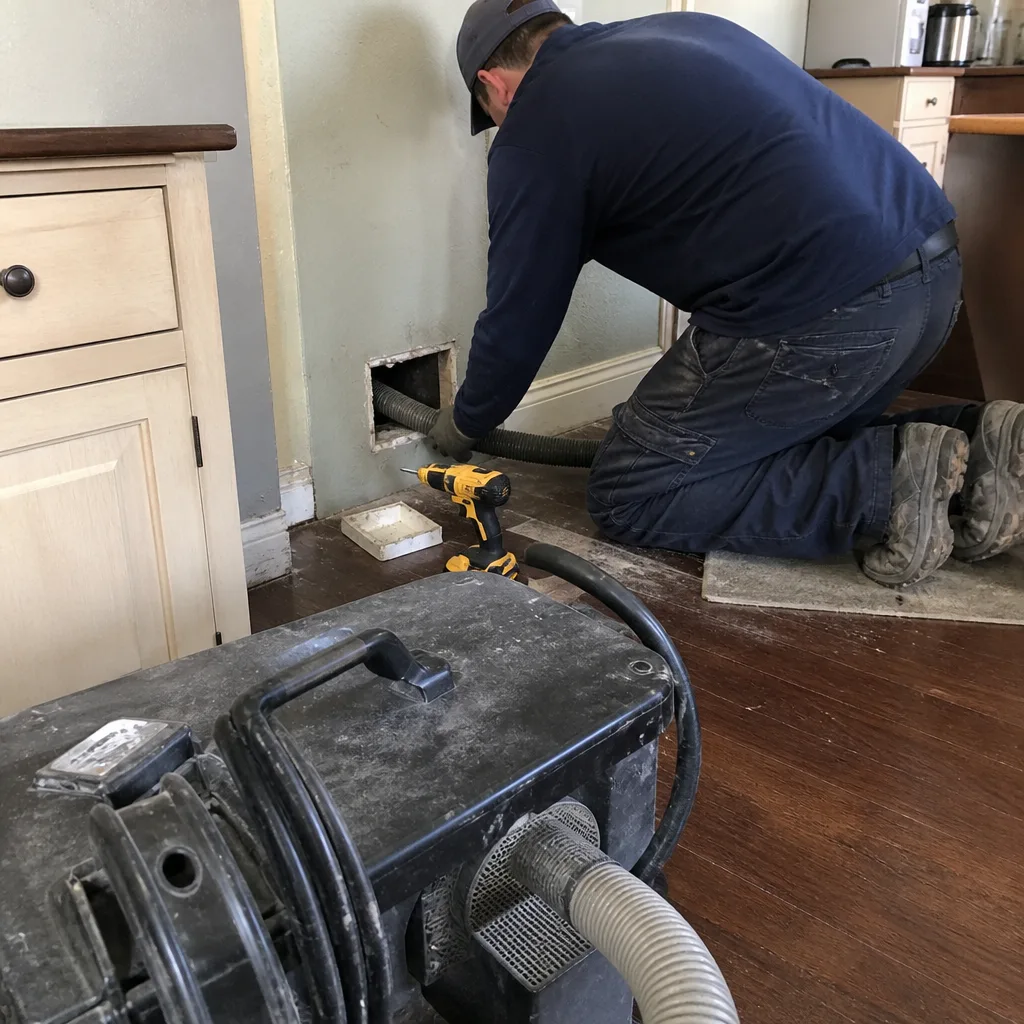 Before
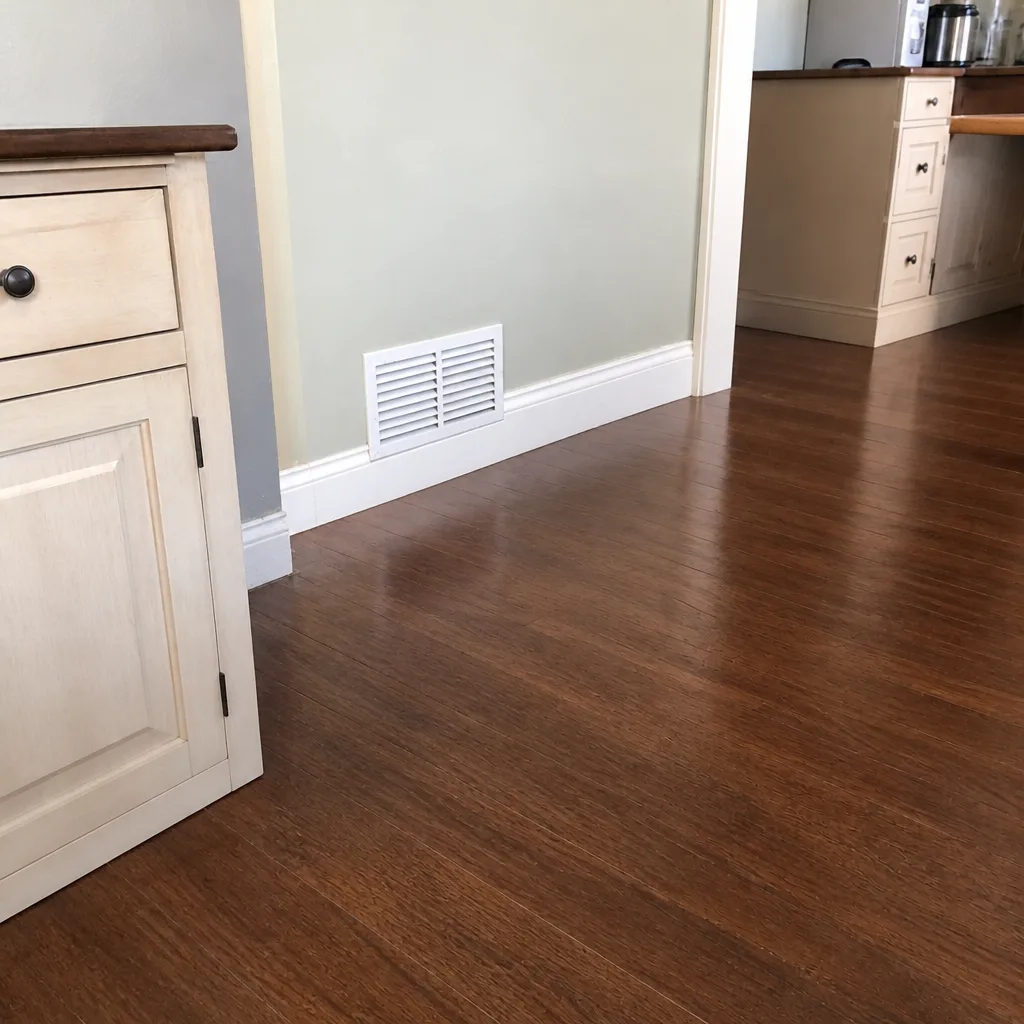 After
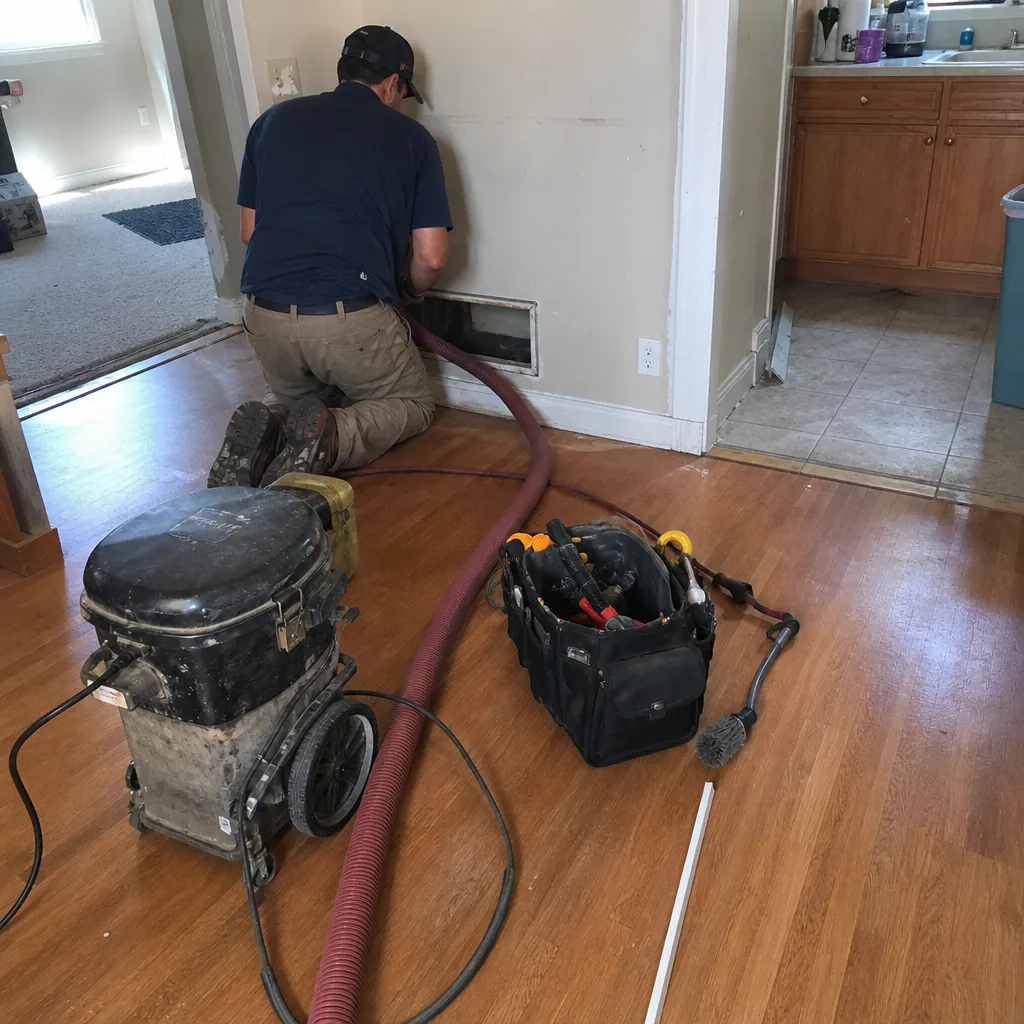 Before
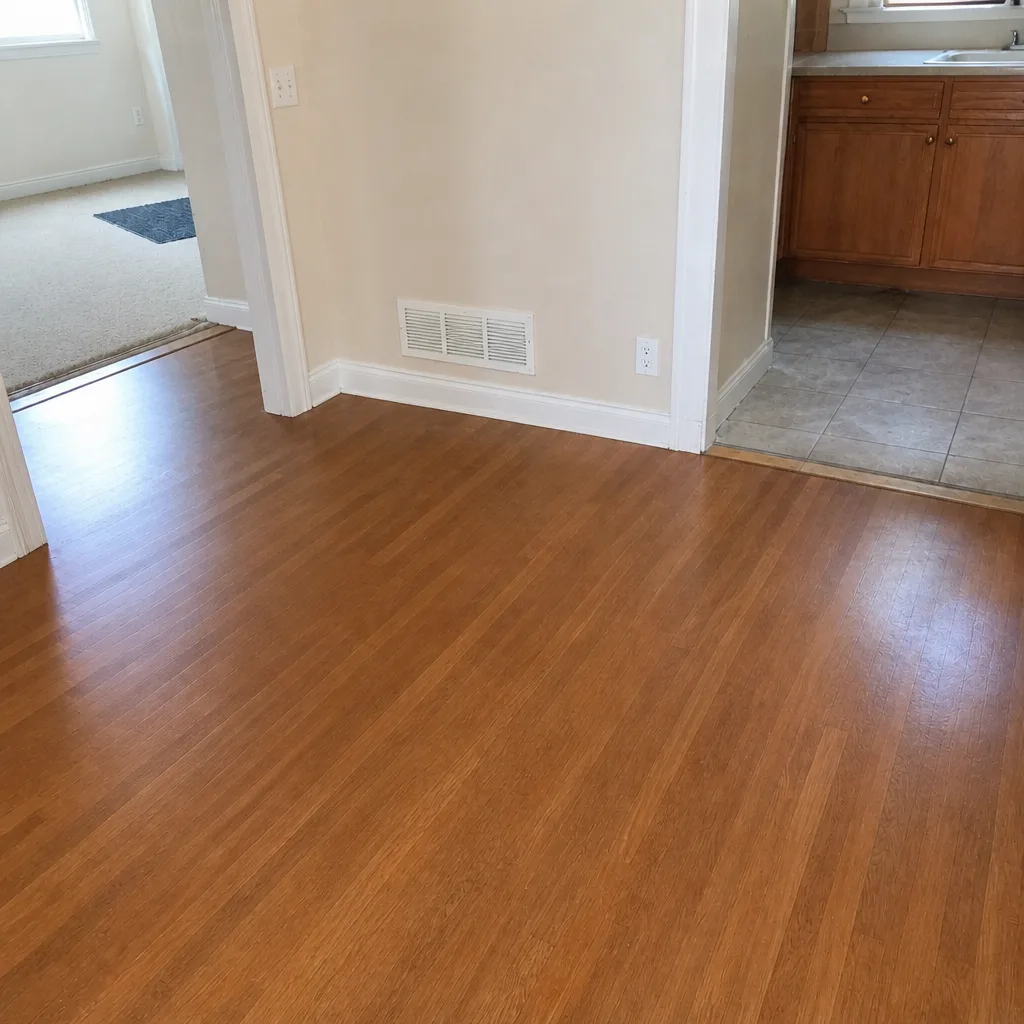 After
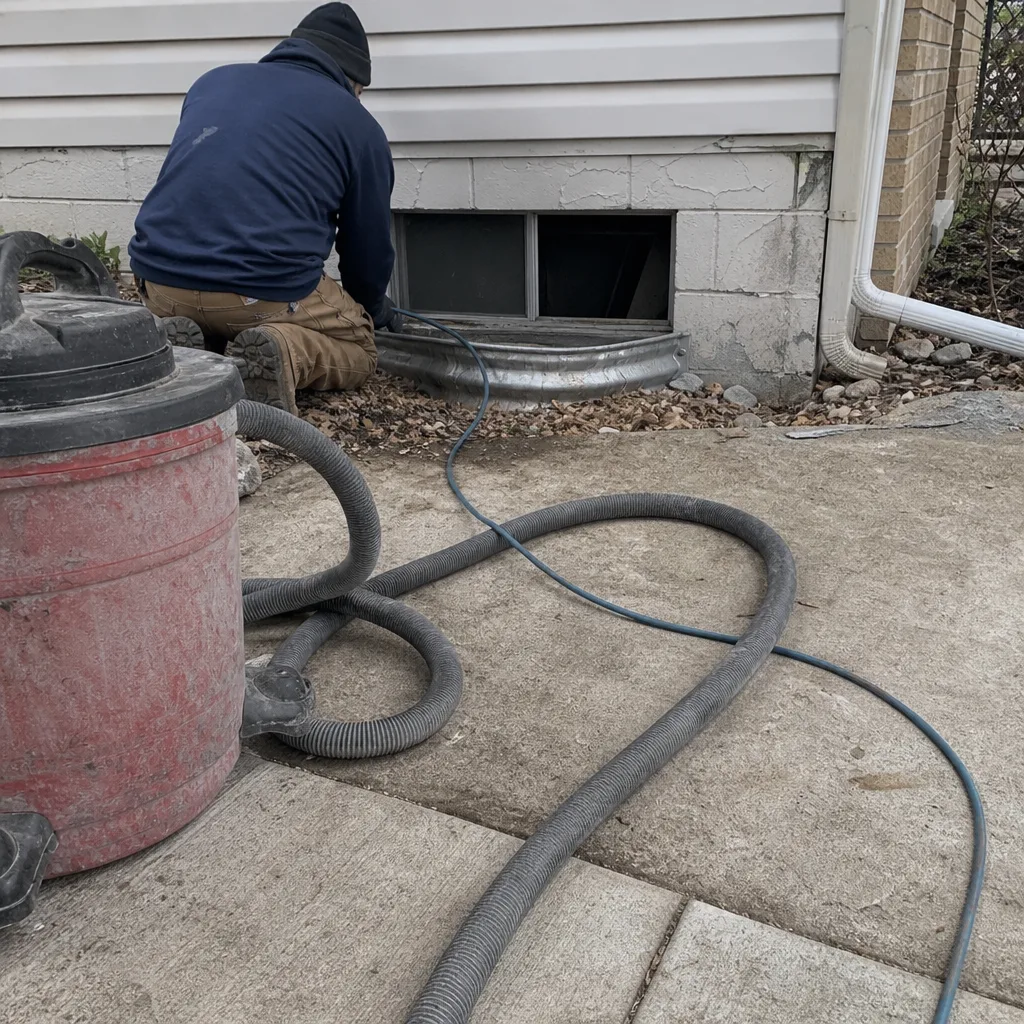 Before
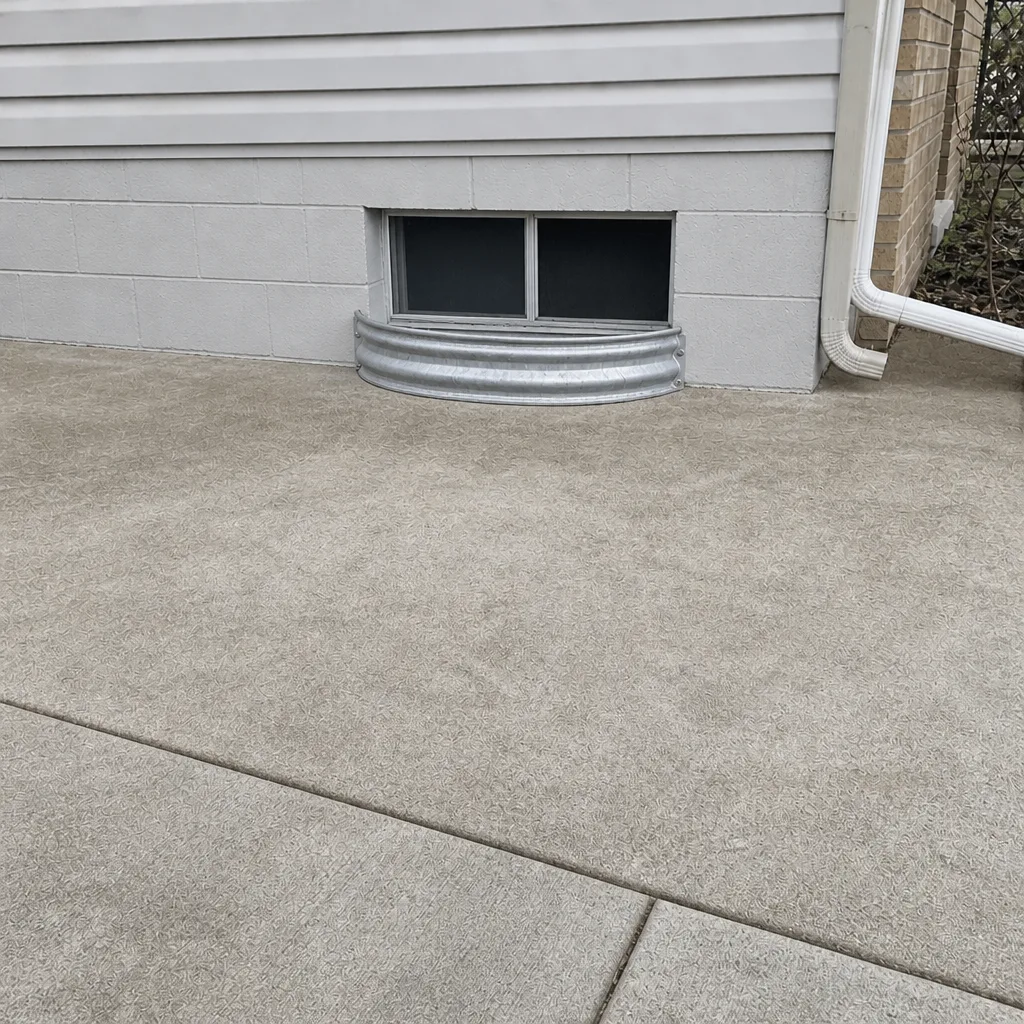 After
When to Call a Professional
Some signs you can handle; duct work isn’t one of them. Call a professional if you notice musty odors coming from registers, visible dust blowing out of vents when the system starts, inconsistent airflow between rooms, or allergy symptoms that worsen indoors. A system that hasn’t been serviced in several years, a recent remodel that filled the returns with construction dust, or a dryer that takes much longer to dry clothes all point to work that needs proper equipment. The crawl space and basement routing common in Meadow Hills makes DIY attempts risky, since a portable vacuum can’t reach the trunk line and doesn’t seal the system. Air Duct Cleaning Meadow Hills offers free estimates in Meadow Hills – call (855) 419-1723 to set one up.
Frequently Asked Questions
Most Meadow Hills homes fall in a range from a few hundred dollars for a simple single-system house to well over a thousand for larger multi-story homes with complex routing or added services. The final price depends on duct material, access, system size, and which add-ons you choose. The written estimate after an on-site look sets the final number. Call (855) 419-1723 for an exact quote – estimates are free.
Cheap quotes usually buy less equipment and less scope. A portable vacuum can’t generate the negative pressure a truck-mounted source-removal unit does, so it reaches fewer branches and cleans less thoroughly. Some low quotes also split basic work – like return-side cleaning – into paid extras. The headlined price is lower because the job is smaller. Call (855) 419-1723 and we’ll walk you through a full-scope comparison.
You ask for before-and-after photos of your own ducts and a written inspection summary. A thorough job documents the pre-clean condition of each run, then shows the post-clean result. If a contractor can’t provide photos of your ducts, ask why before you pay. Call (855) 419-1723 to book a documented job – estimates are free.
Most homes benefit from a cleaning every few years, not annually, though homes with pets, recent remodels, or allergy-sensitive occupants may want it sooner. The honest answer is that it should be driven by conditions – visible debris, musty odors, inconsistent airflow – rather than a fixed schedule. Call (855) 419-1723 for a free assessment of what your system actually needs.
Yes, usually. Homes with a mix of rigid metal and flex duct often have sections that need closer inspection or repair, which adds time and scope. Flex duct that’s collapsing or torn should be sealed or replaced, not just cleaned. That’s why a full-scope outfit is a better fit for older Meadow Hills homes than a cleaning-only crew. Call (855) 419-1723 to discuss your layout.
It’s worth it when there’s evidence of microbial growth or persistent odor, and not worth it as a routine add-on over clean ducts. Sanitizing works best after a thorough mechanical clean, and brand-backed products like Honeywell and Aprilaire or Abatement Technologies equipment give you a product-backed treatment rather than a generic fogger. Call (855) 419-1723 and we’ll tell you honestly whether your system needs it.
The Bottom Line
The price difference between two duct cleaning quotes in Meadow Hills almost always comes down to scope, equipment, and access – not price gouging or a secret bargain. A truck-mounted source-removal job with full supply and return coverage, pre- and post-inspection photos, and duct repair capability is a bigger job than a portable pass at the registers, and it’s priced accordingly. Compare quotes on line items, not headlines. Ask what’s inside the number, insist on a written per-system estimate, and check whether repair work is included. Do that, and you can predict your own cost – and spot the quote that’s quietly doing less. Written by the team at Air Duct Cleaning Meadow Hills.
Ready for an honest, itemized estimate for your home? Air Duct Cleaning Meadow Hills serves Meadow Hills with professional-grade Rotobrush and Nikro equipment and a complete five-service scope. Call (855) 419-1723 for a free estimate. We answer 24/7. Fast dispatch from 7am to 7pm, Sunday through Friday.
Written by the team at Air Duct Cleaning Meadow Hills.