
Last updated November 25, 2026
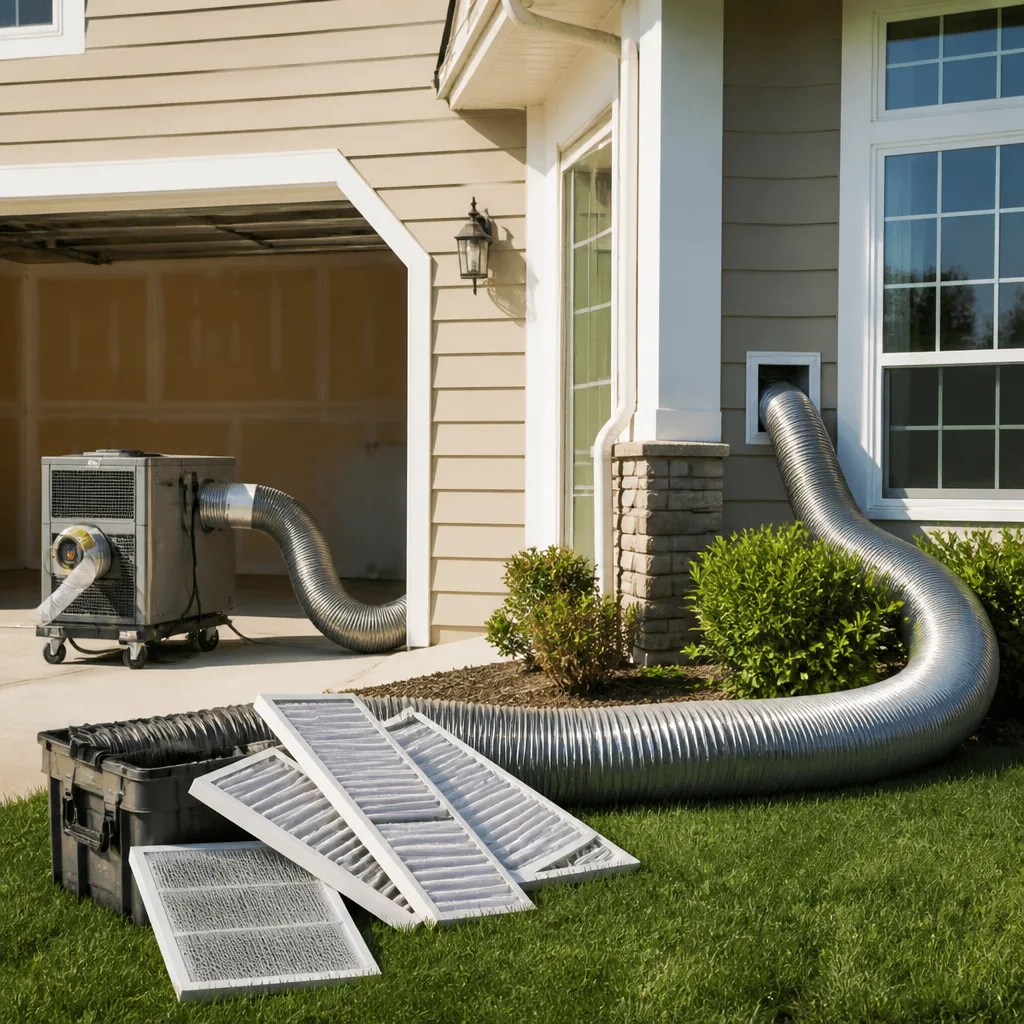 Whole-home duct cleaning
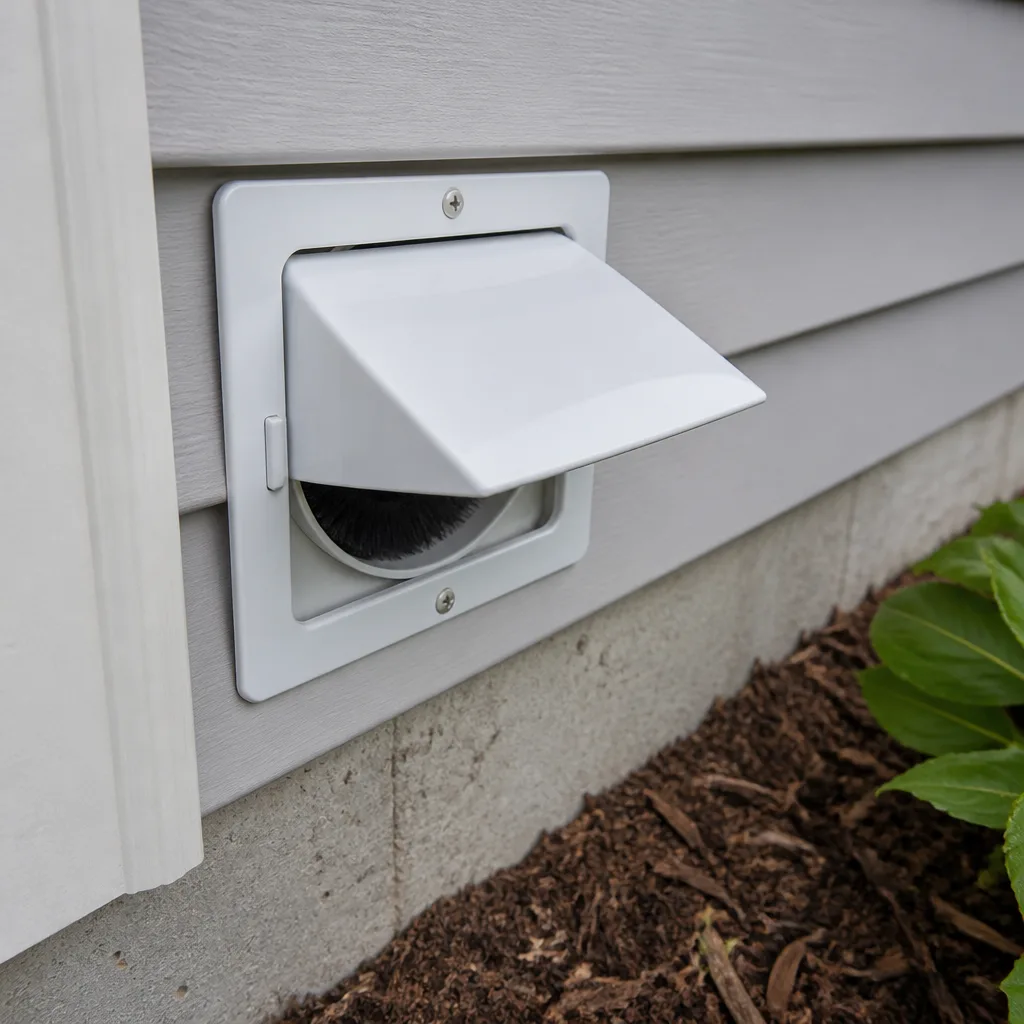 Dryer vent cleaning
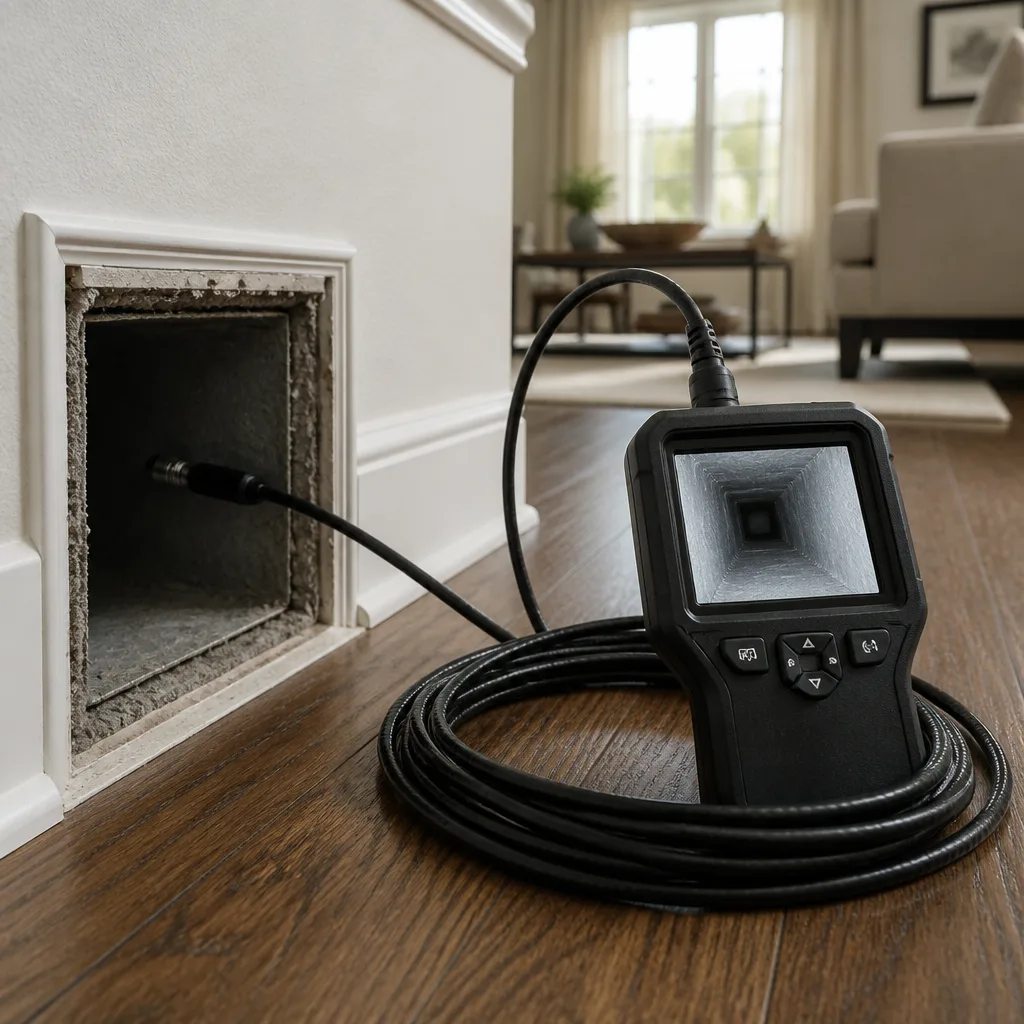 Camera inspection
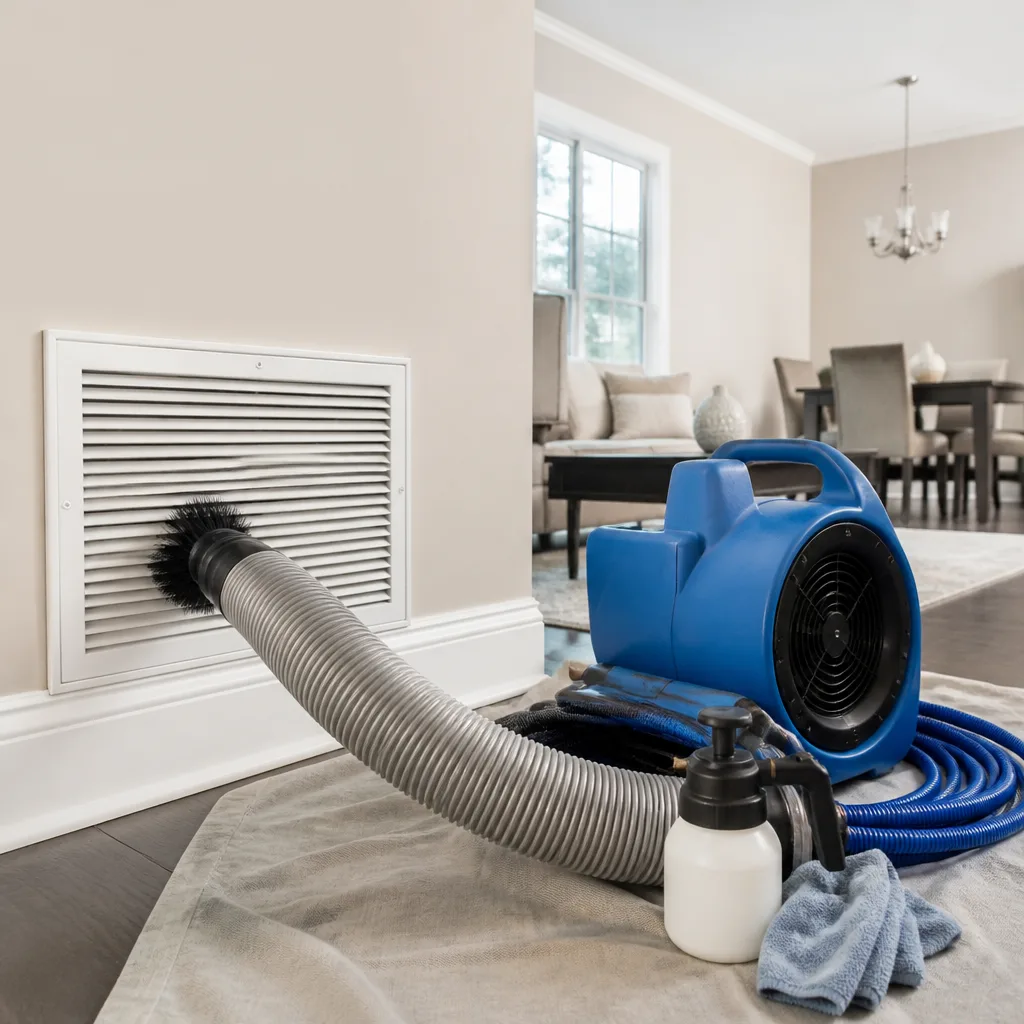 Sanitizing & deodorizing
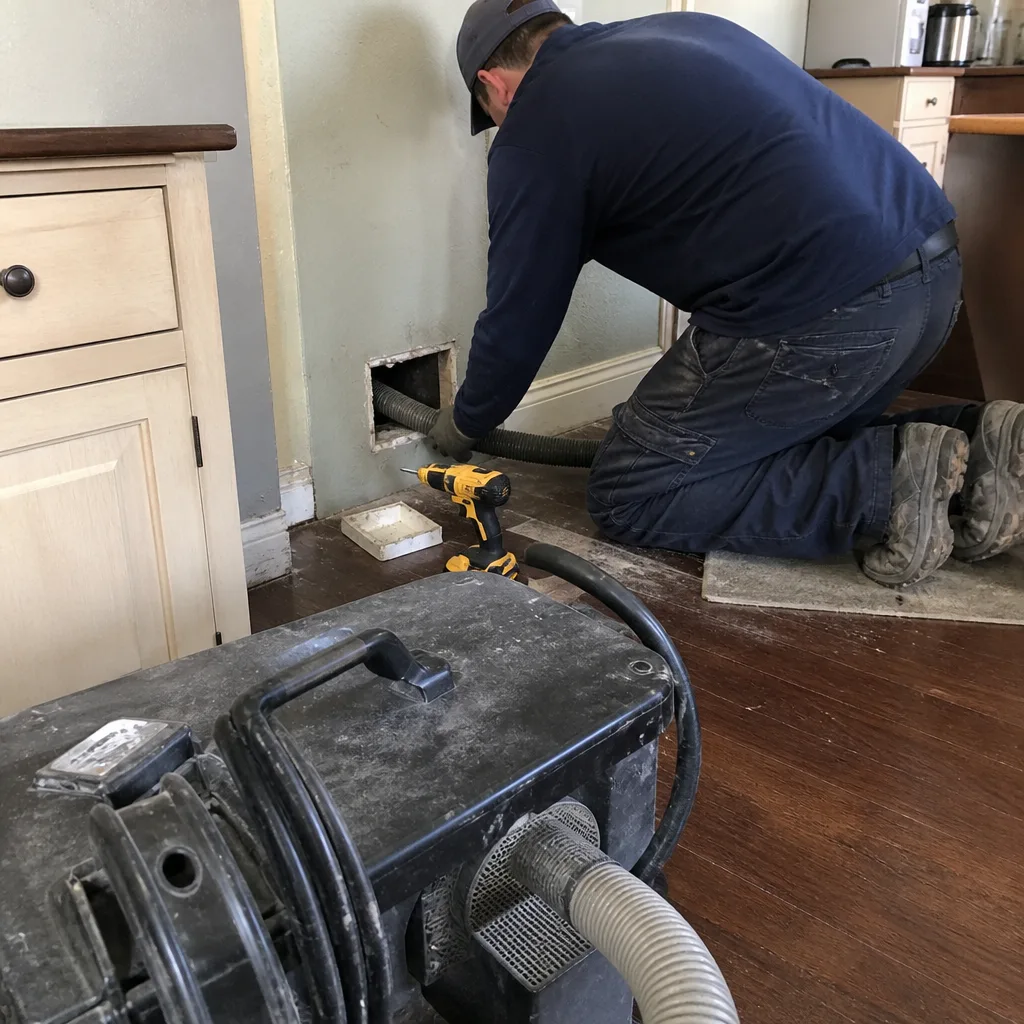
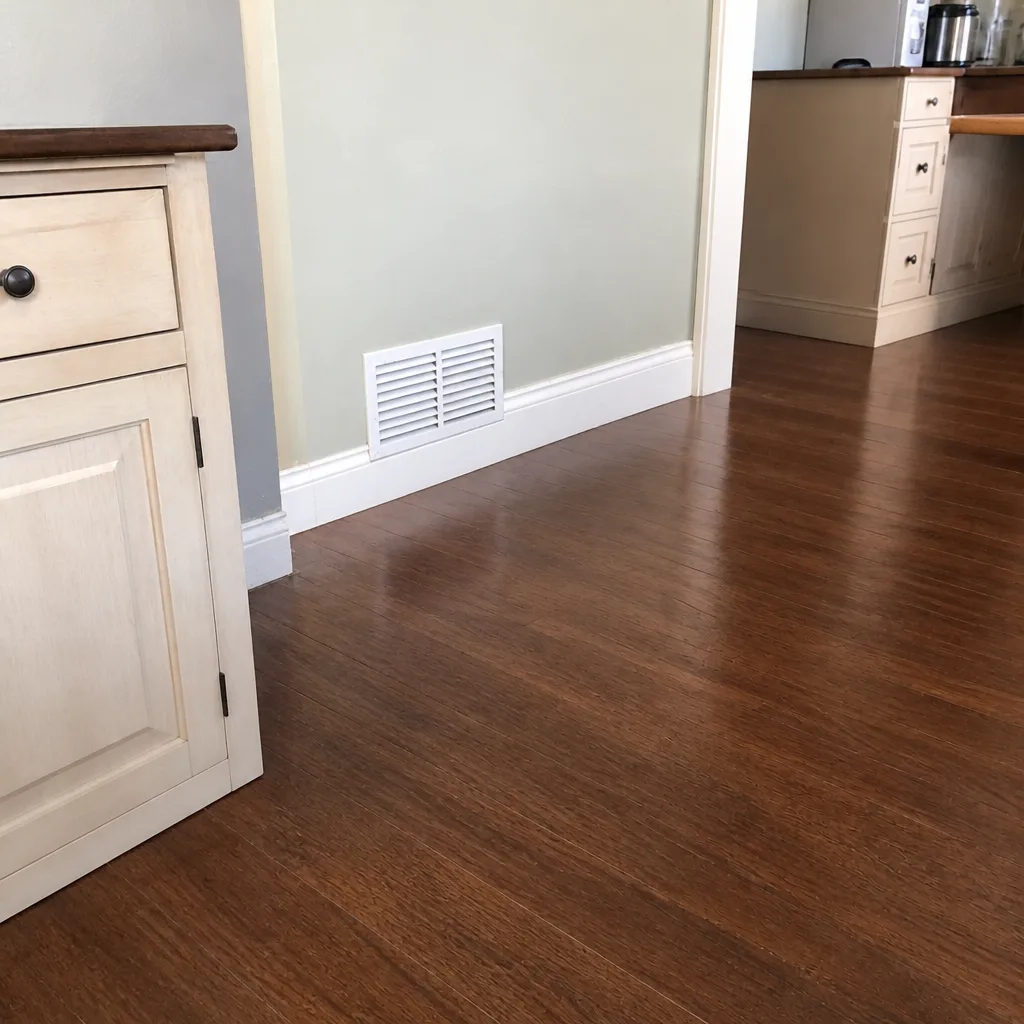
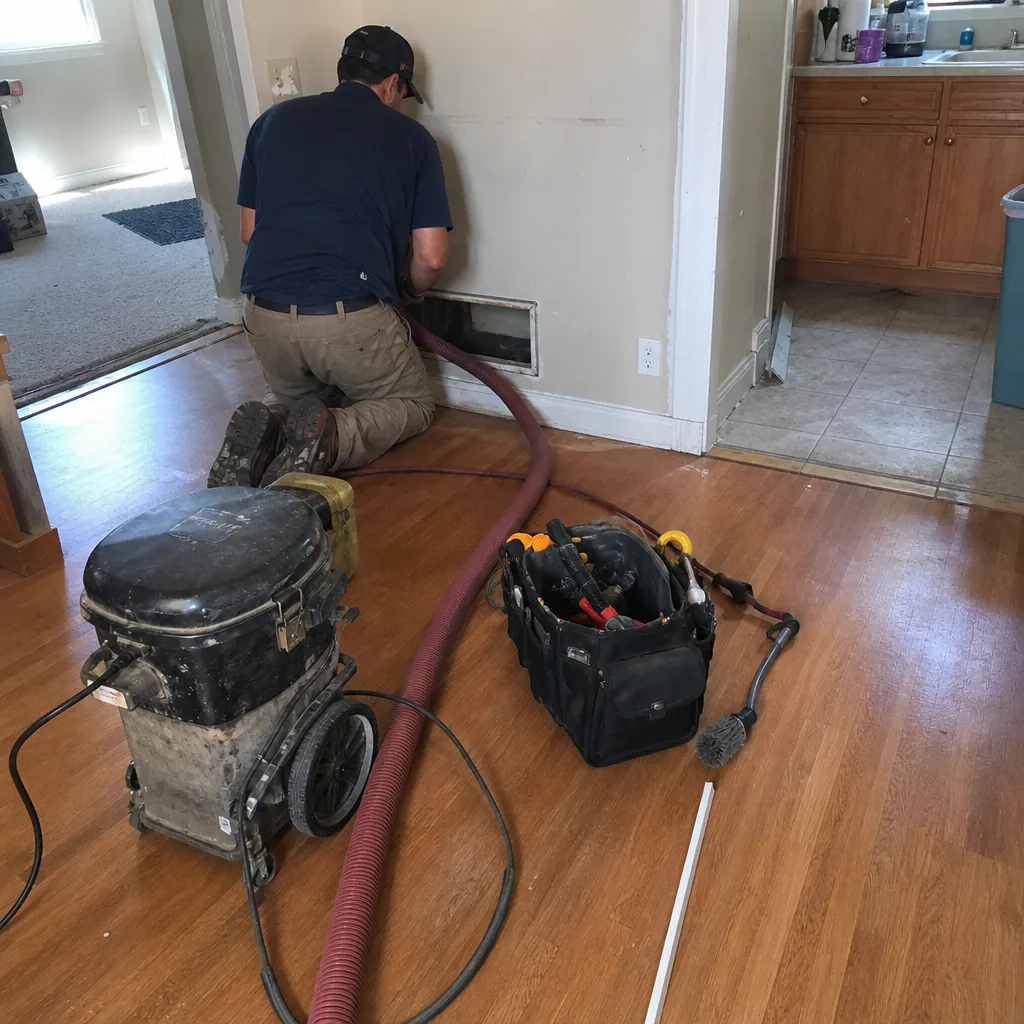
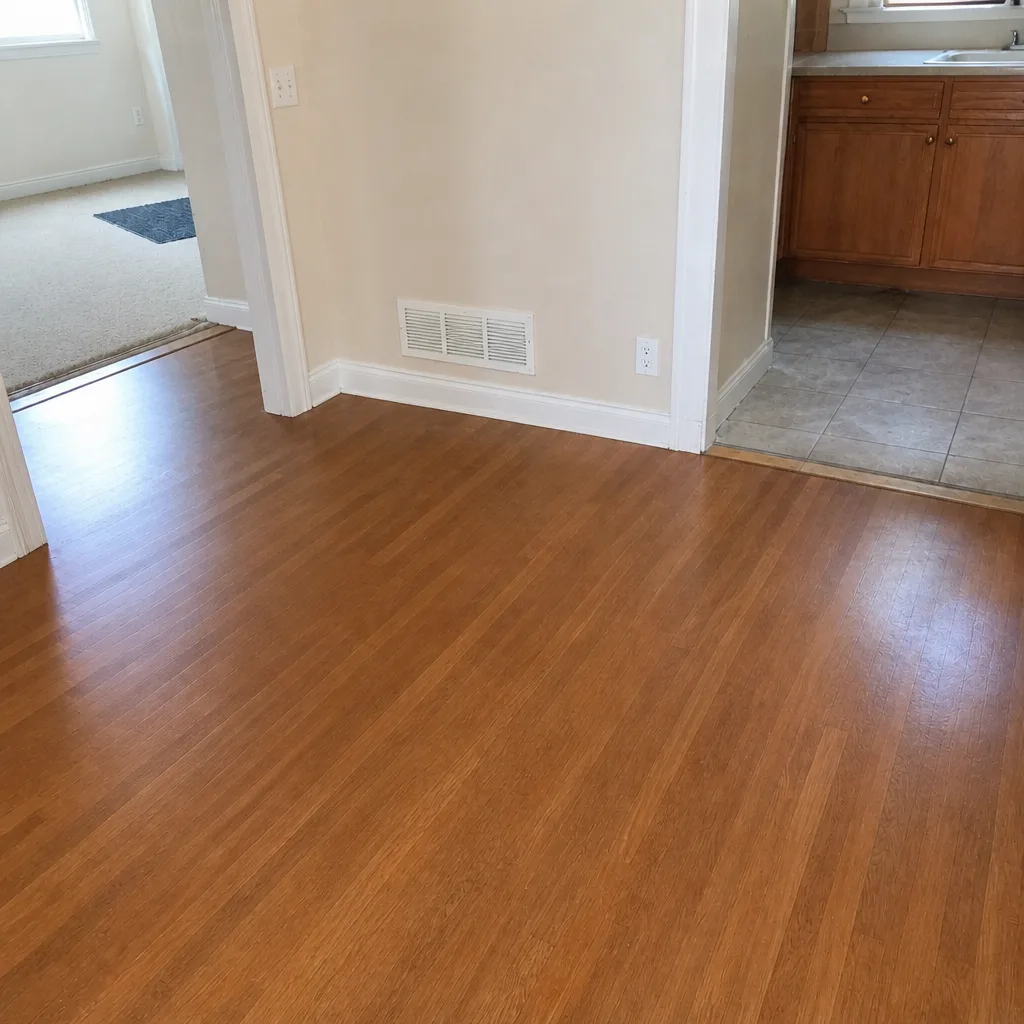
Whole-system duct and dryer vent check with before-and-after photos - you see exactly what came out of your vents
That "$99 whole-house special" is a bait ad - the real number appears once they are in your hallway, or the "clean" is a shop-vac at the register. We photograph the inside of your ducts before and after instead.
DIY vs Professional Air Duct Cleaning: The Meadow Hills Homeowner’s Decision Guide
Most homeowners who ask about DIY duct cleaning are really asking a cost question. The honest answer starts somewhere else: a consumer shop vac pulls roughly 50 CFM of airflow. A professional negative-pressure system moves 10,000 CFM or more. That difference isn’t a matter of working longer or trying harder. It’s a different class of machine doing a different physical job. The equipment decides what’s possible before effort ever enters the picture. In this guide, we walk through the physics of source removal, what you can genuinely do yourself in a Meadow Hills home, where DIY can make the professional job harder, and how to stage a maintenance routine between service cycles that actually lowers contamination instead of spreading it around.
Quick Answer
Professional air duct cleaning is the right call for any home where ducts haven’t been serviced in years, where you’re seeing musty odors or uneven airflow, or where the system contains original flex duct. DIY can handle surface-level maintenance like register dusting and filter inspection, but it cannot create the negative pressure needed to pull debris out of the system, and aggressive DIY brushing on older ducts in Meadow Hills can damage ductwork in ways that cost more to fix than the cleaning would have cost.
Styles & brands we work with
- Whole-home duct cleaning
- Dryer vent cleaning
- Camera inspection
- Sanitizing & deodorizing
Table of Contents
- Why CFM Decides This Question Before Anything Else
- Negative Pressure and Source Removal: What the Job Actually Requires
- What You Can Legitimately Do Yourself
- Where DIY Work Makes the Professional Job Harder
- The Risk Calculus for Older Meadow Hills Homes with Original Flex Duct
- How to Stage a DIY Maintenance Routine That Actually Helps
- How to Tell Whether a Professional Quote Is Serious
- What to Look For in a Meadow Hills Duct Cleaning Company
Why CFM Decides This Question Before Anything Else
CFM stands for cubic feet per minute, and it measures how much air a machine can move through a duct system. Airflow is the engine of duct cleaning: the higher the CFM, the more lifting power the system has on settled debris, dust mats, and the fine particulate that sticks to duct walls. A shop vac runs at roughly 50 CFM. A professional negative-pressure unit runs at 10,000 CFM or higher. That’s a ratio of around 200 to 1.
Here’s what that ratio means in practice. When a shop vac is placed at a register, it grabs whatever sits within a few inches of the hose. It does not create a pressure differential across the whole duct run, so debris two rooms away doesn’t move. A professional setup uses a large vacuum attached at the main trunk or a strategic access point, combined with air whips or rotary brushes that agitate debris along the entire system while the negative pressure pulls it out.
The physics have a second consequence that matters for Meadow Hills homes. Cold winters mean long heating cycles and months of sustained airflow through the same ducts. Debris that settles into duct seams and the interior of flex runs gets compacted over the season. Loosening compacted debris requires more than suction; it requires mechanical agitation matched to real negative pressure. Neither half works alone.
If you’ve been thinking about this decision in terms of hours and effort, reframe it. Hours and effort don’t change CFM. Equipment does.
Negative Pressure and Source Removal: What the Job Actually Requires
Professional duct cleaning has a technical name in the trade: source removal. The idea is to extract contaminants at their source rather than redistribute them into the living space. Negative pressure is the mechanism that makes it work: the machine pulls air (and debris) toward it, so particles don’t escape into the rooms.
A proper source-removal job typically involves the following stages:
- Inspection. The technician maps the duct layout, identifies trunk and branch runs, notes flex versus rigid sections, and checks for existing leaks, disconnected joints, or damaged insulation.
- Negative pressure setup. A high-CFM vacuum is connected at the main trunk, creating continuous airflow that runs for the entire cleaning. This is the step that cannot be replicated with consumer equipment.
- Mechanical agitation. Air whips, rotary brushes, and compressed-air tools travel through each branch run, loosening debris from duct walls and seams so the negative pressure can carry it out.
- Supply and return cleaning. Both sides of the system are treated. Many homeowners don’t realize that return ducts often carry the heavier contamination because they pull air from living spaces.
- Verification and sealing. Access holes cut during the process are sealed, and any leaks or gaps found during inspection are addressed.
The difference between a source-removal job and a shop-vac attempt isn’t just extraction volume. It’s that the professional approach also addresses what the cleaning reveals: disconnected flex joints, torn insulation, gaps at register boots, and seams that leak conditioned air into walls. That’s part of the reason we offer duct repair and sealing alongside our air duct cleaning work. Clean ducts are the beginning, not the end.
What You Can Legitimately Do Yourself
There are real things a Meadow Hills homeowner can do to keep a duct system in decent shape between professional cleanings. None of them involve reaching a shop vac into a register, but each one reduces how quickly contamination builds.
Register cleaning
Remove the register grilles (usually a couple of screws on each) and wipe them down with a damp cloth and mild detergent. Vacuum the visible surface of the supply boot behind the register with a brush attachment, but don’t push the hose down into the duct itself. That’s surface maintenance, and it’s worth doing.
Filter fit inspection
Check that the filter sits flush in its slot with no gaps around the edges. A filter that’s too small or warped lets unfiltered air bypass it entirely, which is worse than having no filter at all because the homeowner assumes they’re protected. Replace filters on the manufacturer’s schedule, not just when they look dirty.
Dryer vent visual check
Disconnect the dryer, pull the vent hose free, and look inside with a flashlight. You shouldn’t see a lint mat thicker than a coin’s edge. If you do, call for dryer vent cleaning: lint accumulation in the vent is a genuine fire risk, and the full-length duct run requires equipment most homeowners don’t have. While you’re back there, verify the hose isn’t crushed or kinked behind the dryer.
Odor and airflow observation
Walk through the house and note which registers feel weaker than others. Note any musty smell when the heat or AC kicks on. This information helps a technician diagnose the system quickly.
Where DIY Work Makes the Professional Job Harder
We’ve seen the pattern often enough in Meadow Hills to recognize it early: a homeowner who tried to fix things themselves, and a duct system that’s now harder and more expensive to clean because of it. The three common scenarios:
- Pushing debris deeper. A shop vac applied at a register with no negative pressure behind it often drives fine dust further into the branch run instead of pulling it out. The dust re-settles in a spot the shop vac can’t reach, and the professional job now involves breaking up a compacted mat that wasn’t there before.
- Dislodging insulation. Interior duct lining and the insulation wraps on flex duct can be damaged by aggressive brushing or high-pressure nozzle work. Once the lining tears, the airflow carries fiberglass particles into rooms. That’s a repair job, not a cleaning job.
- Disturbing older duct connections. Duct runs held together with tape, mastic, or press-fittings that have aged into place can come apart when pushed or pulled with a household tool. A disconnected joint behind a wall means opening the wall to repair it, which is a far bigger project than the cleaning.
The pattern here isn’t that homeowners are careless. It’s that household tools create forces the duct system wasn’t designed to tolerate from inside. A professional setup uses controlled agitation paired with continuous extraction, so there’s no opportunity for debris to escape or connections to fail.
The Risk Calculus for Older Meadow Hills Homes with Original Flex Duct
Many homes in Meadow Hills, especially those built in the 1980s and 1990s, still run on the original flex duct installed with the system. Flex duct has a plastic inner liner, a wire helix, and an insulation wrap. It’s efficient for installation because it bends around framing with minimal joints, but it’s also less forgiving than rigid sheet metal in three specific ways.
It tears. The inner liner is thin. A rotary brush with too much aggression, or a stiff hose pushed at the wrong angle, can tear the liner and leave a flap that disrupts airflow or releases insulation into the supply air.
It sags. Flex duct that wasn’t supported correctly can droop and collect condensation or debris at the low point. Aggressive cleaning can dislodge the debris pile into an unmanageable position, and in the worst case the sagging section needs replacement anyway.
It ages. Flex duct installed 30 or more years ago has been through decades of heating and cooling cycles. The wire helix rusts, the liner stiffens, and the insulation wrap grows brittle. It’s no longer the flexible material it was on installation day.
The calculation for a homeowner is straightforward. If the duct is original flex and hasn’t been serviced recently, aggressive DIY brushing carries a real risk of damage. A damaged duct that needs replacement costs more to fix than the cleaning would have cost. The smaller risk isn’t worth the smaller savings.
Professional technicians using equipment sized for the ductwork – the kind of tools professional contractors use, like a HVAC cleaning crew working routinely with flex and rigid systems – can approach older duct more carefully because they can adjust tool pressure to the material.
How to Stage a DIY Maintenance Routine That Actually Helps
A good maintenance routine between professional cleanings doesn’t try to replace them. It reduces the rate at which contamination builds, and it gives you better information at the next scheduled service. Here’s the routine we suggest for Meadow Hills homes:
- Monthly: Wipe register grilles. Check the filter and replace on schedule.
- Monthly: Visually check the accessible dryer vent run behind the dryer for lint buildup.
- Monthly: Listen at each register during a heating cycle. Note any register that sounds noticeably louder or quieter than its neighbors.
- Quarterly: Remove the register grilles and vacuum the visible boot surface with a brush attachment. Don’t extend past the boot into the duct run.
- Quarterly: Walk the basement or utility space and check any accessible duct for loose tape, hanging insulation, or condensation on the duct exterior.
- Annually: Schedule a professional inspection. If it’s been more than three to five years since the last full cleaning, budget for cleaning rather than inspection alone.
The core rule is this: hit the surfaces you can see and reach, and stop there. The moment you extend a tool past a register boot or push a brush into flex duct, you’re past the point where DIY is safe.
How to Tell Whether a Professional Quote Is Serious
Once you’ve decided to go professional, the quote matters as much as the company. Duct cleaning has a reputation problem because cheap per-vent pricing is a common tactic: a low coupon number that balloons on-site once a technician is in the house. The way to avoid it is to know what a serious quote looks like before you pick up the phone.
A thorough quote should:
- Be built around whole-system pricing, not per-vent pricing. You should know the total before work starts.
- State clearly what’s included: supply and return cleaning, register and grille work, and whether any repair or sealing is part of the scope.
- Be based on an on-site inspection, not a phone estimate alone. Duct layout, system size, and access holes matter.
- Address what happens if the technician finds disconnected flex, torn insulation, or a leaky joint. Cleaning alone leaves those issues in place.
- Commit to one flat price for the system that’s agreed in writing before any work begins.
Ask for before-and-after photos of your own ducts, not stock images. A company confident in the work will hand those over without being asked twice. And when a technician inspects, pay attention to whether they check the return side of the system, not just the supplies.
If a quote sounds very low, ask what it actually covers. Cleaning-only quotes that skip return ducts or skip sealing work cost what they cost because they leave work undone.
What to Look For in a Meadow Hills Duct Cleaning Company
Professional equipment is the first marker. Ask what brand of vacuum and rotary brush system the company uses. Rotobrush is common in residential duct cleaning because it combines the vacuum and agitation tools in a single platform, and it’s what we work with. Abatement Technologies equipment signals contamination-control readiness that most residential duct cleaners don’t have on hand.
Here are the markers we’d look for if we were hiring out the work:
- Professional-grade equipment brands, not consumer vacuums. Rotobrush and Nikro are both common in the trade for a reason.
- A scope that covers supply and return ducts, plus registers and grilles.
- A repair and sealing capability. A cleaning-only company will clean around a disconnected joint or torn flex run and leave the problem in place.
- Access to air quality products from brands with manufacturer backing – Honeywell and Aprilaire are the recognized names in residential filtration and humidity control.
- Sanitizing that’s grounded in product chemistry, not a generic fogger. Fogging without the right solution doesn’t do much.
Our five-service scope covers Air Duct Cleaning Meadow Hills – cleaning, dryer vent, HVAC, duct repair and sealing, and air quality and sanitizing – so a homeowner doesn’t need to piece together multiple vendors for a single air system. Our technicians have up to 11 years of experience, and the equ
ipment we work with is the same professional line that contractors and restoration specialists rely on.
Common Mistakes to Avoid
- Using a shop vac inside a duct run. The vacuum doesn’t have the CFM to create negative pressure, and the brush attachment often pushes debris deeper. Keep the shop vac at the register boot surface and no further.
- Ignoring the return side. Return ducts often carry more contamination than supply ducts because they pull directly from living space. A professional cleaning covers both.
- Assuming a filter change is enough. Filters catch a fraction of the particulate that moves through the system. Fine dust and biological material still settle in duct runs.
- Skipping dryer vent cleaning entirely. Dryer vents are a common fire risk that many duct cleaners leave out of scope. Ask before booking.
- Choosing on price alone. A cheap per-vent quote that turns into a much larger invoice on-site is a well-worn pattern in the industry. Whole-system pricing agreed before work starts protects you.
- Booking before inspecting the ductwork. Older flex duct in Meadow Hills homes can need repair or replacement before cleaning. If a company hasn’t looked at the system, the quote isn’t real.
- Not asking for before-and-after photos. Photos of your own ducts prove the work was done and confirm what was found.
See the difference
 Before
 After
 Before
 After
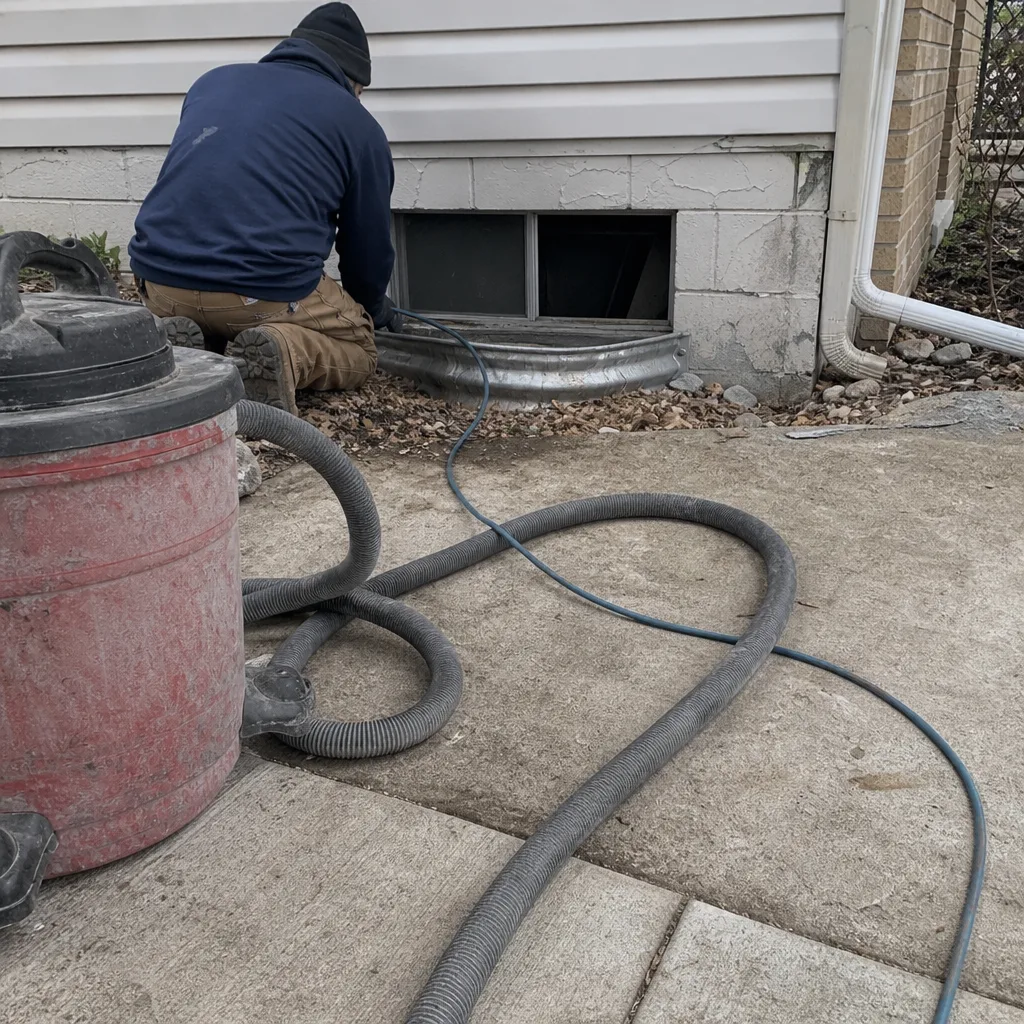 Before
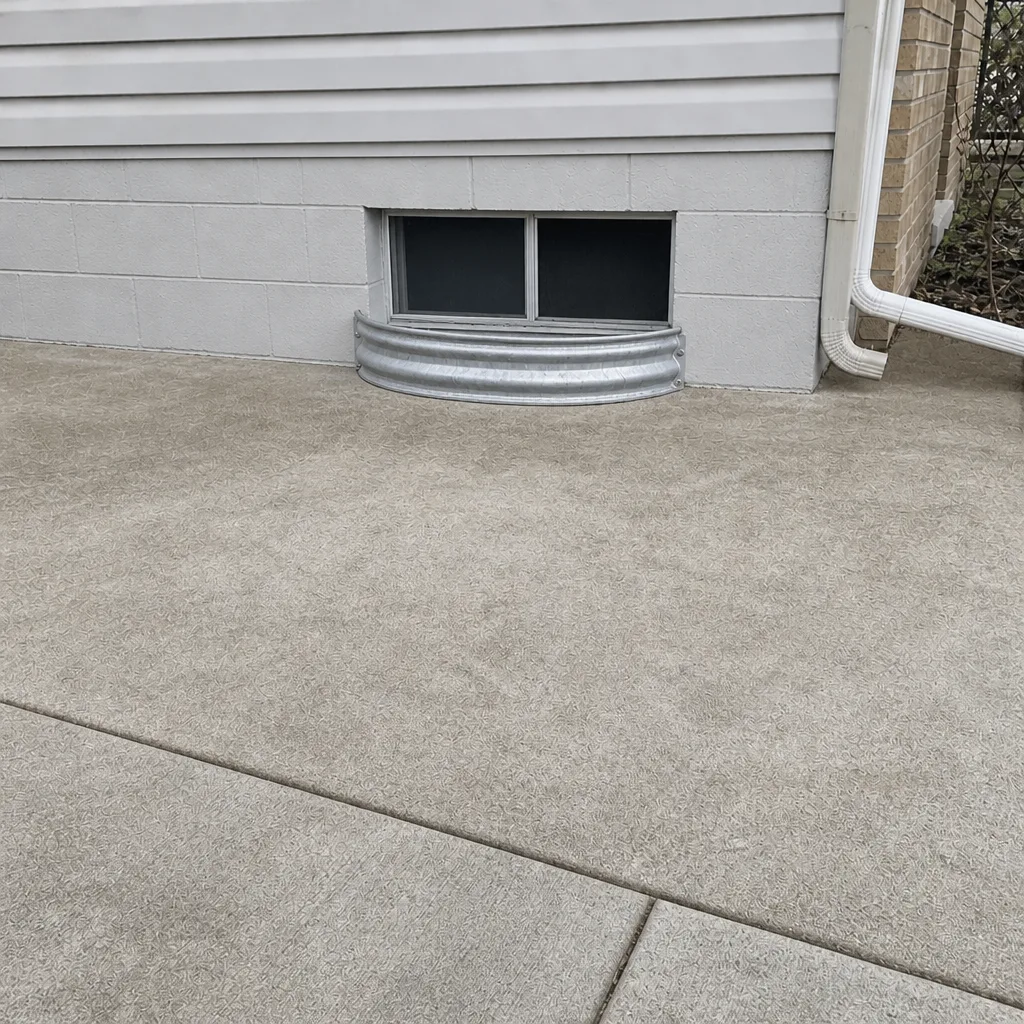 After
When to Call a Professional
Call a professional if any of these describe your Meadow Hills home: ducts haven’t been cleaned in three or more years, you smell mustiness when the system runs, you’re seeing consistent airflow differences between registers, someone in the household has allergy symptoms that seem worse inside, you’ve recently finished a renovation, or your ductwork is original flex. Add a professional call-in if the dryer takes noticeably longer than it used to, or if you can’t see through the vent hose behind the machine. For older homes where ductwork hasn’t been inspected in years, an inspection is the safest starting point. Air Duct Cleaning Meadow Hills offers free estimates in Meadow Hills – call (855) 419-1723. We answer 24/7. Fast dispatch from 7am to 7pm, Sunday through Friday.
Frequently Asked Questions
No, not effectively. A shop vac generates around 50 CFM of airflow, while a professional system moves 10,000 CFM or more, so a shop vac cannot create the negative pressure that drives source removal. It can dust the visible surface of a register boot, but it can’t pull debris out of the duct run. Call (855) 419-1723 for a free estimate – we can tell you what a real cleaning involves for your system.
Most homes in Meadow Hills benefit from professional cleaning every three to five years, depending on filter maintenance, pet presence, recent renovations, and how much time the system spends running through heating season. Homes with original flex duct and no service history are often at the longer end of that gap or past it. Call (855) 419-1723 to schedule an inspection and get an honest read on your timeline.
Cheap per-vent quotes often cover a fraction of the actual job: supply ducts only, no return cleaning, no sealing, no inspection. The low number is real, but it reflects a narrower scope. A whole-system quote with a flat price agreed before work starts covers the full job. Call (855) 419-1723 for an honest number that covers everything.
Ask for before-and-after photos of your own ducts, register grilles, and any access openings cut during service. A company confident in its work will provide them without a fuss. Ask also whether you’ll get a report of what was found, including any leaks or damage. Call (855) 419-1723 with any questions about our process.
Yes, and for older homes the case is stronger. Decades of heating cycles compact debris into seams and flex runs, and older duct systems are also more likely to have leaks, disconnected joints, or torn insulation. Cleaning combined with repair and sealing addresses both the contamination and the source of new contamination. Call (855) 419-1723 to talk through what an older home in Meadow Hills typically needs.
Duct cleaning removes settled debris from inside the duct system. Duct sealing addresses leaks, gaps, and disconnected joints that allow conditioned air to escape and unfiltered air to enter. They’re complementary services; a cleaning on a leaky system will need redoing sooner than one on a sealed system. We do both. Call (855) 419-1723 to discuss which your home needs.
The Bottom Line
The DIY vs. professional question comes down to whether your equipment can physically do the job. Consumer equipment can’t create the negative pressure that source removal requires, and in older Meadow Hills homes with original flex duct, aggressive DIY work can cause damage that costs more to fix than the cleaning would have cost. What you can do yourself is surface-level maintenance – registers, filters, visual checks – staged between professional cleanings on a three-to-five year cycle. When it’s time for a full inspection and cleaning, look for professional-grade equipment, whole-system scope, and a flat price agreed before work starts.
If you’re ready to know what your system actually needs, Air Duct Cleaning Meadow Hills offers free estimates in Meadow Hills. Call (855) 419-1723. We answer 24/7. Fast dispatch from 7am to 7pm, Sunday through Friday. Professional-grade equipment, a complete five-service scope, and one flat price per system agreed before work begins.
Written by the team at Air Duct Cleaning Meadow Hills.