
Last updated November 25, 2026
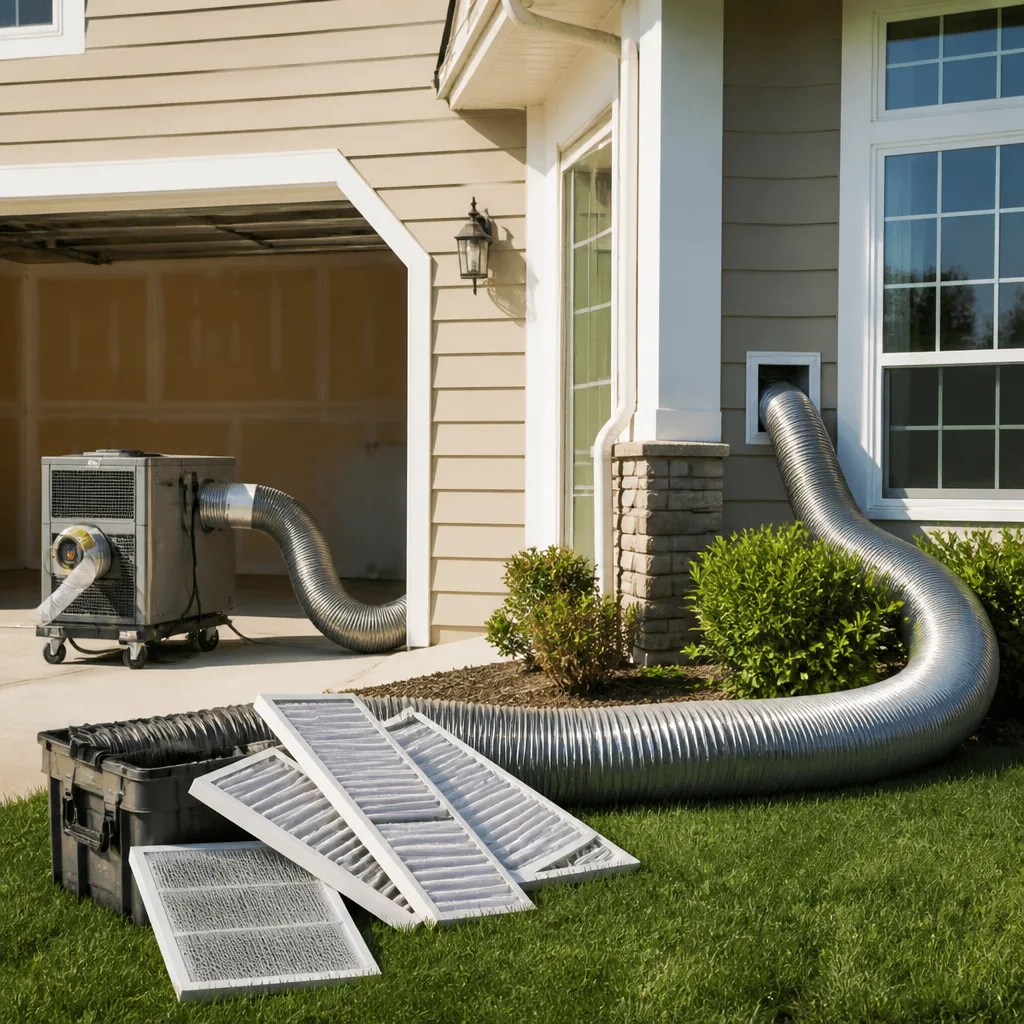 Whole-home duct cleaning
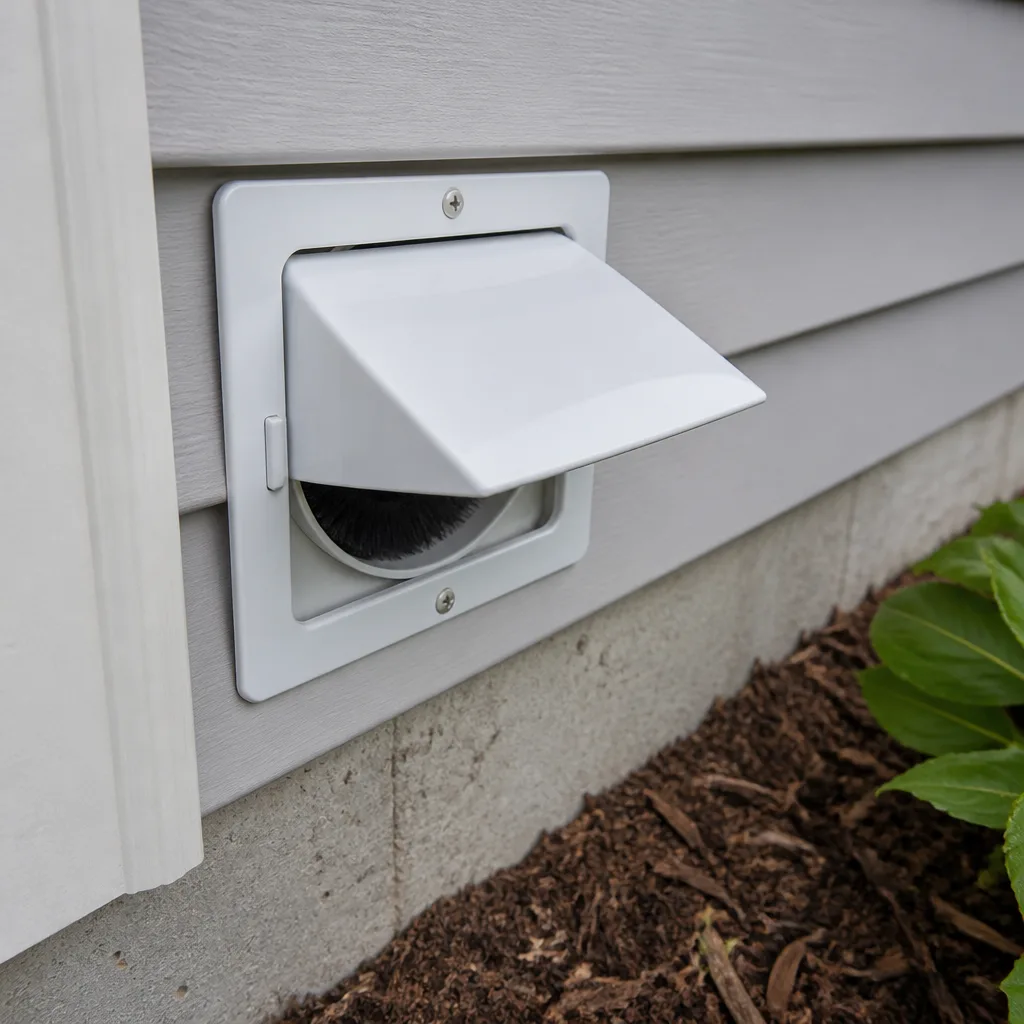 Dryer vent cleaning
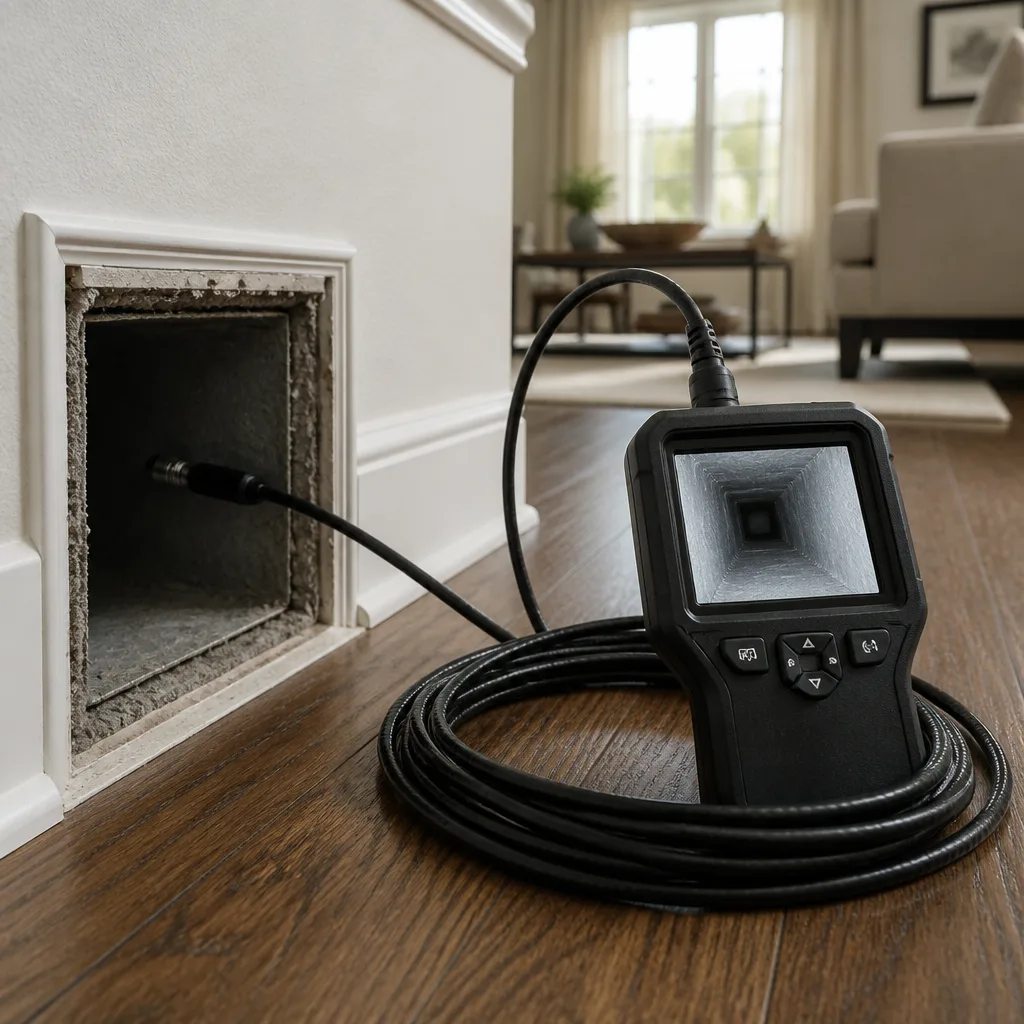 Camera inspection
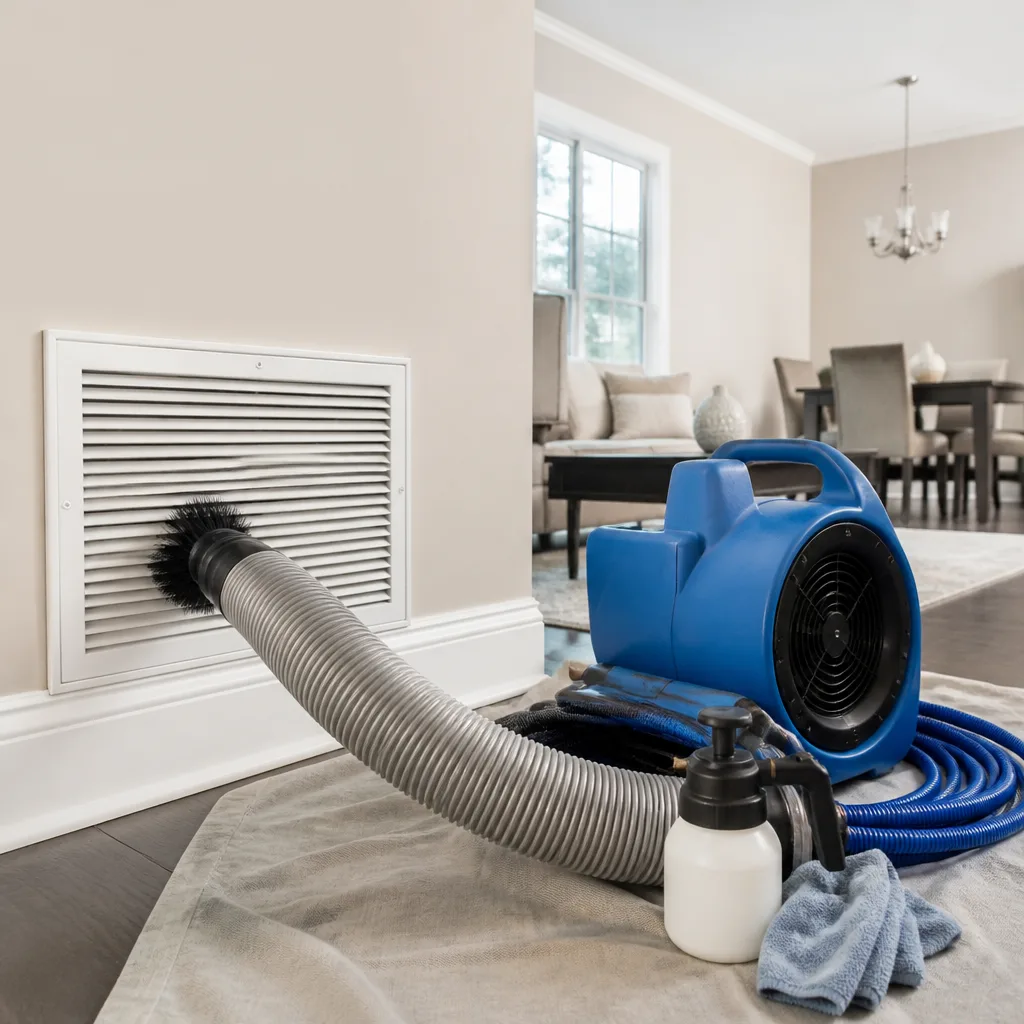 Sanitizing & deodorizing
Whole-system duct and dryer vent check with before-and-after photos - you see exactly what came out of your vents
That "$99 whole-house special" is a bait ad - the real number appears once they are in your hallway, or the "clean" is a shop-vac at the register. We photograph the inside of your ducts before and after instead.
The Complete Guide to Air Duct Cleaning in Meadow Hills
Here’s a fact that surprises most homeowners: a professionally cleaned duct system connected to a dirty evaporator coil will re-contaminate within a single heating season. The ducts come out spotless, the blower fires back up, and within months the coil’s grime is blowing right back through the supply lines. Most duct cleaning guides never mention the coil once. They treat ductwork like a standalone tube when it’s really one part of a connected airflow system, where the blower, coil, registers, and ductwork all shape each other’s cleanliness. In this guide, we’ll walk through how that system actually works in Meadow Hills homes, how our semi-arid climate and elevation change the picture, and what a legitimate job looks like from inspection to final report.
Quick Answer
Air duct cleaning in Meadow Hills means removing accumulated dust, debris, and contaminants from the entire duct system using source-removal methods, not just wiping visible surfaces. A thorough job includes assessing the blower and evaporator coil, cleaning with professional-grade equipment like Rotobrush or Nikro systems, and producing before-and-after documentation. Because our elevation and semi-arid climate drive faster particulate accumulation, Meadow Hills homes often benefit from service more frequently than the national average.
Styles & brands we work with
- Whole-home duct cleaning
- Dryer vent cleaning
- Camera inspection
- Sanitizing & deodorizing
Table of Contents
- How Meadow Hills Climate and Elevation Affect Your Ducts
- Why Your Ducts Are Only One Part of the Airflow System
- Source Removal vs. Surface Cleaning: What’s the Difference?
- What a Technician Should Inspect Before Quoting
- The Step-by-Step Cleaning Process
- How to Read a Post-Cleaning Inspection Report
- Duct Repair & Sealing: Why Cleaning Alone Isn’t Enough
- Common Mistakes to Avoid
How Meadow Hills Climate and Elevation Affect Your Ducts
Meadow Hills sits at elevation in a semi-arid climate, and that combination changes how quickly particulate accumulates inside ductwork compared to humid, low-altitude regions. The air here carries fine dust and pollen that gets pulled into return ducts with every HVAC cycle. Low humidity means less moisture-driven mold growth in the ducts themselves, but it also means dust stays dry and airborne longer, so it travels deeper into the system before settling.
Those elevation-driven swings matter too. Heating systems in Meadow Hills run hard through cold snaps and then cycle less during mild stretches, which creates uneven airflow patterns. When a system cycles on and off frequently, dust doesn’t settle evenly; it gets pushed into corners, joints, and the far ends of runs where it’s harder to reach. Over several seasons, that buildup thickens.
Three local factors accelerate accumulation:
- Dry, dusty air: Semi-arid conditions mean more suspended particulate entering return grilles, especially during spring winds and seasonal pollen.
- Elevation pressure differences: Higher-altitude air is thinner, and HVAC systems work harder to move the same volume, which can stir settled dust back into circulation.
- Long heating seasons: Extended heating cycles push more air through the same ductwork, concentrating wear and accumulation.
Our technicians have up to 11 years of experience working in this environment, and the pattern is consistent: Meadow Hills homes accumulate debris faster than what you’d expect in a humid coastal market. That’s why we recommend homeowners here consider service on a shorter interval than the widely cited national guidance.
Why Your Ducts Are Only One Part of the Airflow System
Think of your HVAC system as a loop. Air enters through return ducts, passes through the blower, gets conditioned at the evaporator coil, and exits through supply ducts and registers back into your rooms. Every component in that loop affects the others. If you clean the ducts but leave a grimy coil or a dust-caked blower wheel, you’ve cleaned a fraction of the system.
The evaporator coil is where the real story often hides. As air passes over it, condensation forms, and that moisture catches dust. Over time, the coil develops a layer of grime that restricts airflow and becomes a surface where biological growth can take hold. When the system runs, air moving past that dirty coil picks up particles and deposits them downstream, back into the ducts you just had cleaned.
The blower wheel has the same problem. Dust accumulates on the vanes, unbalancing the wheel and reducing its efficiency. A dirty blower moves less air, which means your system runs longer and pulls more particulate through the ducts.
This is why our full-system approach matters. Air Duct Cleaning Meadow Hills handles the entire airflow ecosystem, not isolated jobs:
- air duct cleaning as the foundation of the system
- dryer vent cleaning for fire-risk reduction separate from the HVAC loop
- HVAC cleaning covering the blower and coil end of the system
- Duct repair and sealing to close the leaks that let contaminants back in
- Air quality and sanitizing treatment to finish the job
When one vendor handles the whole system, nothing gets left unexamined between the coil end and the register end. That’s what separates a complete cleaning from a cosmetic one.
Source Removal vs. Surface Cleaning: What’s the Difference?
Not all duct cleaning delivers the same result, and the gap usually comes down to equipment. Surface cleaning wipes down what a technician can reach through registers and openings. Source removal, the standard the industry’s leading certification body establishes, extracts the debris from the entire interior of the duct, including the parts nobody can see.
The equipment tells you which kind of job you’re getting:
- Consumer-grade vacuums or shop vacs: A shop vac can’t create enough negative pressure to dislodge debris that’s adhered to duct walls. It picks up what’s loose and leaves the rest.
- Portable professional units: Better suction, but limited in how much of the system they can tackle in one pass. Often used for smaller jobs or specific runs.
- Truck-mounted vacuums and agitation systems: The serious end of the equipment spectrum. A truck-mounted vacuum pulls strong negative pressure through the entire duct run, while rotary agitation tools like those from Rotobrush and Nikro break debris loose from walls and crevices so the vacuum can extract it.
Source removal pairs both parts: mechanical agitation to dislodge debris, and high-volume negative pressure to carry it out. That’s the method we use, and it’s the difference between a cleaning that lasts a season and one that lasts.
What about sanitizing?
Cleaning removes the physical debris. Sanitizing comes after, when the system is already clean, to treat surfaces for microbial growth. We use products backed by names like Honeywell and Aprilaire, which is a meaningfully different approach from a generic fogger sprayed blindly into ducts. Applying a sanitizer without first removing the debris just coats the grime.
What a Technician Should Inspect Before Quoting
A legitimate quote comes from an inspection, not a phone guess. Before any work begins, a technician should physically look at the system. Here’s what that inspection should cover:
- Access points: Ductwork needs proper openings to reach every run. A system with limited access may need additional access cut and sealed, and you should know that before work starts.
- Duct material type: Sheet metal, flexible, and fiberglass duct board each clean differently and require different equipment settings. Flexible ducts in particular need gentler handling so the inner liner isn’t damaged.
- Insulation condition: Loose or degraded internal insulation is a sign the duct may not be worth cleaning as-is; it may need repair or replacement first.
- Visible contamination level: The technician should show you what’s inside. If a camera inspection is used, you should see the footage.
- Register and vent condition: Supply and return registers collect debris too, and they should be part of the assessment.
- Blower and coil condition: As covered above, these should be assessed, not ignored, when establishing the scope of the job.
Our team uses professional equipment throughout this inspection, including Abatement Technologies gear for contamination control when a system shows signs of more serious buildup. If a technician quotes you without looking at any of this, the number they give you is an assumption.
The Step-by-Step Cleaning Process
Here’s what a complete source-removal job looks like when done properly. This isn’t a how-to for doing it yourself; it’s the sequence a trained technician follows so you know what’s happening in your home.
- Protect the work area: Floor coverings and containment go down before any equipment runs.
- Set up negative pressure: A vacuum connects to the main trunk line to create continuous negative pressure throughout the job, so loosened debris exits the system rather than drifting into the home.
- Mechanically agitate the ducts: Rotary tools and air whips run through each branch line to dislodge adhered debris from the walls. This is the step a shop vac simply can’t replicate.
- Clean registers and grilles: Supply and return covers are removed, cleaned, and reinstalled.
- Assess the blower and coil: As covered in the airflow section, these components are inspected and cleaned as part of a full-system job.
- Seal gaps and leaks where found: If the inspection revealed disconnected joints or gaps, those get addressed, not left as leaks that undo the cleaning.
- Sanitize if appropriate: With the system clean, an air-quality treatment backed by brands like Honeywell or Aprilaire is applied.
- Photograph and document: Before-and-after photos of the system give you a record of what was done.
If you’re also scheduling dryer vent cleaning or another service, a multi-service visit can pair with the duct work so the whole system gets addressed in one relationship.
How to Read a Post-Cleaning Inspection Report
A professional cleaning produces a record, not just a receipt. When the job is done, you should receive documentation that proves what was done inside your system. Here’s what to look for:
- Before-and-after photos: These should show the interior of your ductwork, not stock photos. If the same images appear on a company’s website, that’s a red flag.
- Scope of work summary: What was cleaned, what equipment was used, and which components (blower, coil, registers) were addressed.
- Findings and recommendations: Any leaks, damaged insulation, or coil conditions discovered during the job should be noted in writing.
- Sanitizing record if applicable: Which product was used and where it was applied.
A job without documentation is a job you can’t verify. Ask for the evidence, and a legitimate operator will have it ready.
Duct Repair & Sealing: Why Cleaning Alone Isn’t Enough
Here’s where a lot of cleaning-only services fall short. Cleaning removes what’s in the ducts today. But if the ducts have leaks, gaps, or disconnected joints, they’re pulling in unconditioned air, dust, and attic or crawlspace particulate from outside the system. Within a heating season, that contamination finds its way right back to the surfaces that were cleaned.
We seal what we find. During the inspection and cleaning, our technicians check joints, connections, and seams for leaks. When something is found, it’s addressed as part of the visit. Ducts that leak waste conditioned air, pull in unfiltered particulate, and let humidity and temperature fluctuations into spaces that were supposed to be sealed. Sealing closes those openings so the cleaning holds.
This is a capability that separates a full-service airflow specialist from a cleaning-only operator. If the only thing a company can do is clean, that’s the only thing you’ll get, even if the system needs repair. Our scope includes all five services because that’s what a complete solution requires: cleaning, dryer vent cleaning, HVAC cleaning, duct repair and sealing, and air quality and sanitizing. Clean ducts are the beginning, not the end.
Common Mistakes to Avoid
- Cleaning the ducts without assessing the coil and blower. A cleaned duct re-contaminates fast when the coil is caked in grime. Always ask whether the blower and coil will be inspected as part of the quote.
- Accepting a quote sight unseen. A phone estimate with no inspection is a guess. In Meadow Hills, duct configurations vary widely across home styles, so an in-person look is the only way to give an accurate scope.
- Judging quality on price alone. Rock-bottom quotes typically mean consumer-grade vacuums and surface-only cleaning. Quality equipment and source-removal methods cost what they cost.
- Skipping the post-job documentation. Before-and-after photos of your own system are the entire proof of work. A company that doesn’t provide them isn’t showing you anything.
- Sanitizing a dirty system. Applying a sanitizer over debris doesn’t clean surfaces; it seals them in. Sanitizing belongs after removal, not instead of it.
- Cleaning without addressing leaks. Ducts with open joints and gaps pull contaminants right back in. Repair and sealing belong in the same conversation as cleaning.
- Overlooking the dryer vent. The dryer vent is a separate fire-risk system that many duct cleaners skip entirely. If your service provider doesn’t offer dryer vent cleaning, you’re leaving a real risk unaddressed.
See the difference
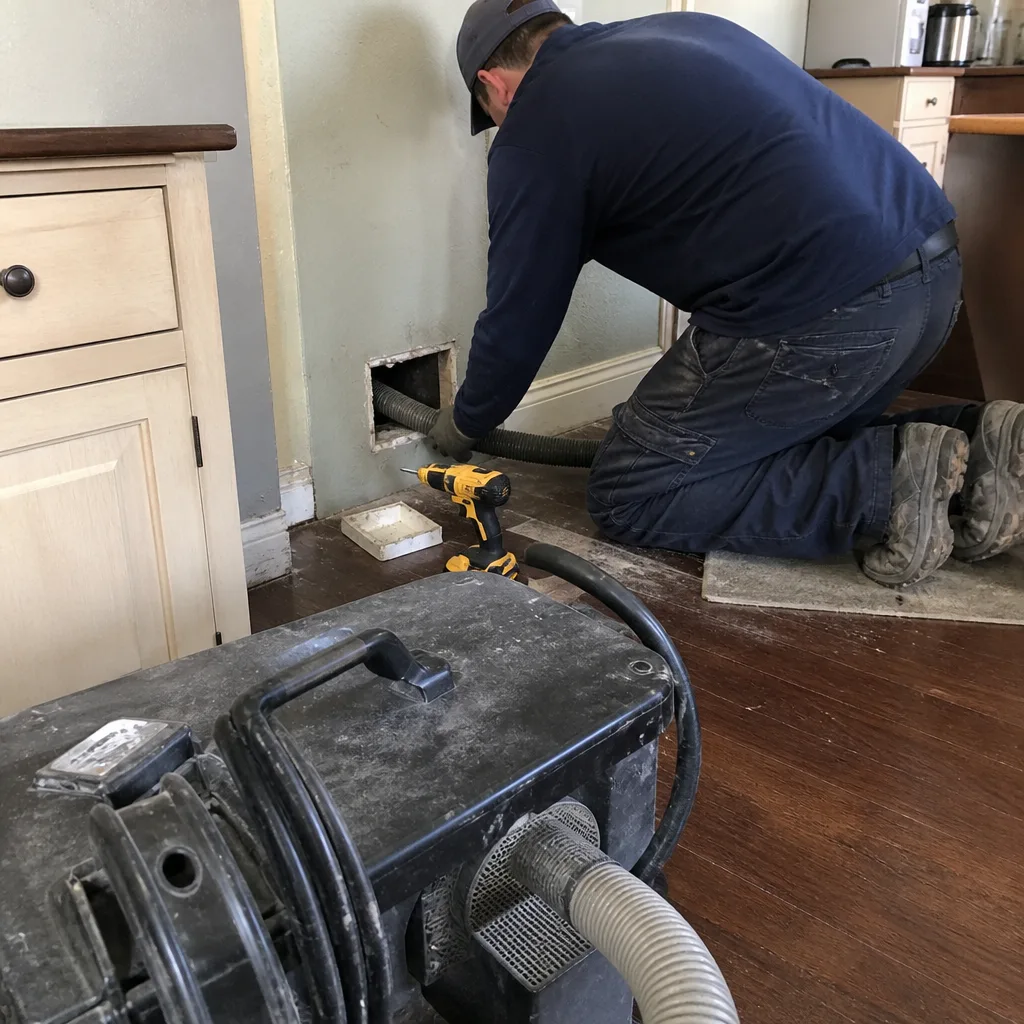 Before
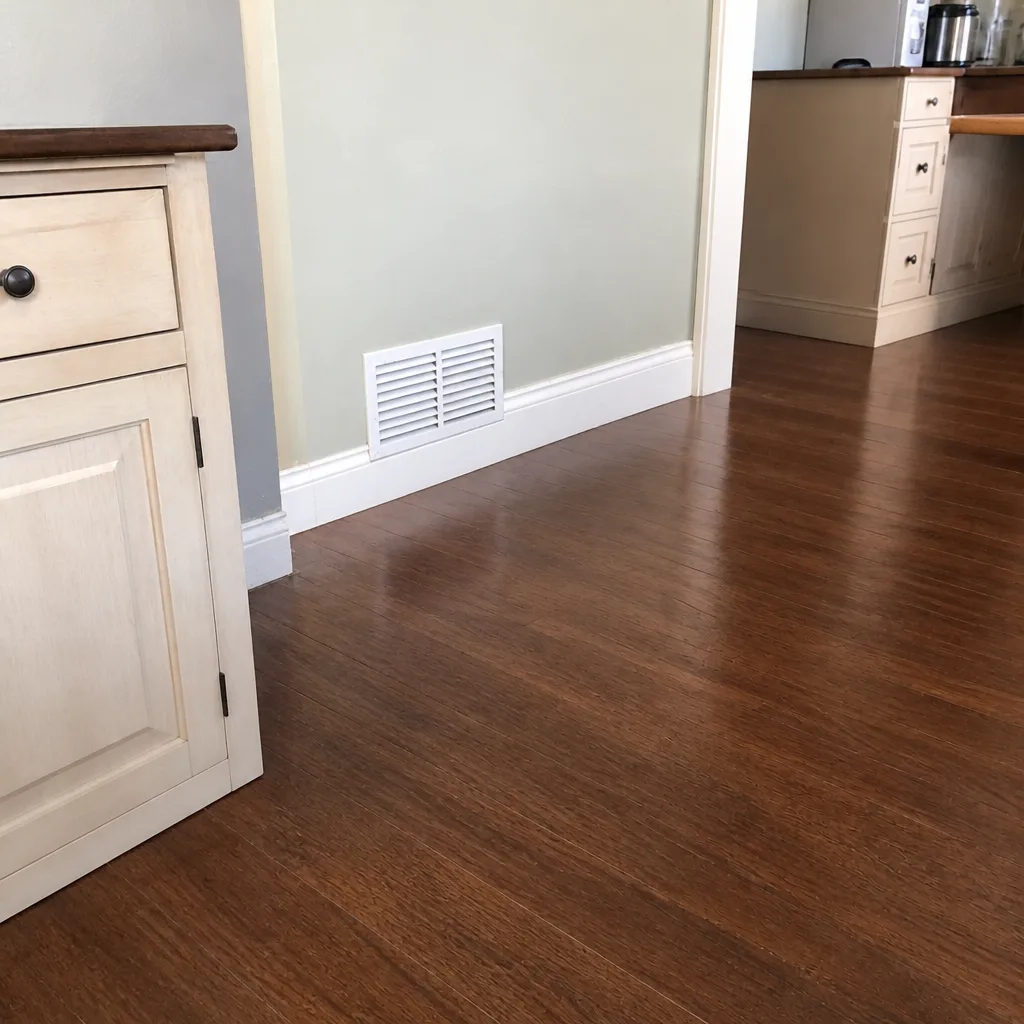 After
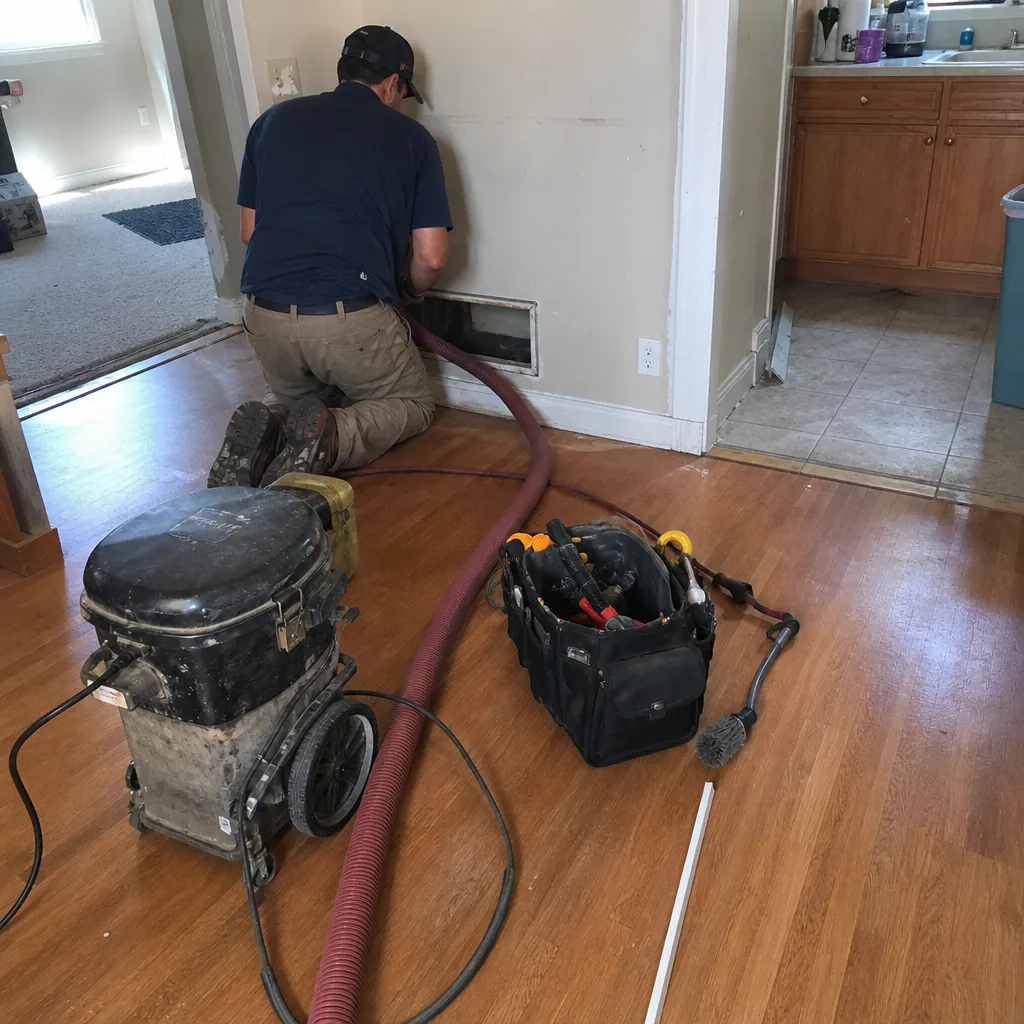 Before
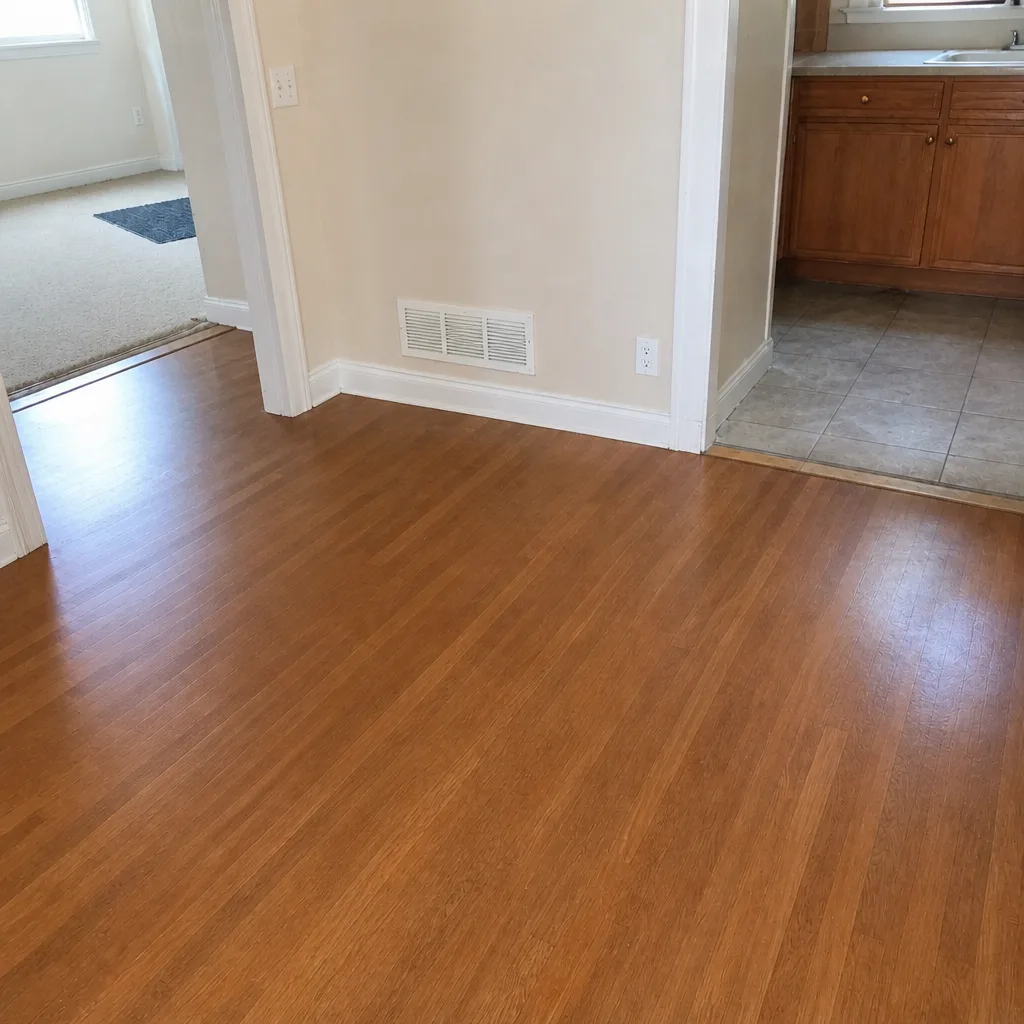 After
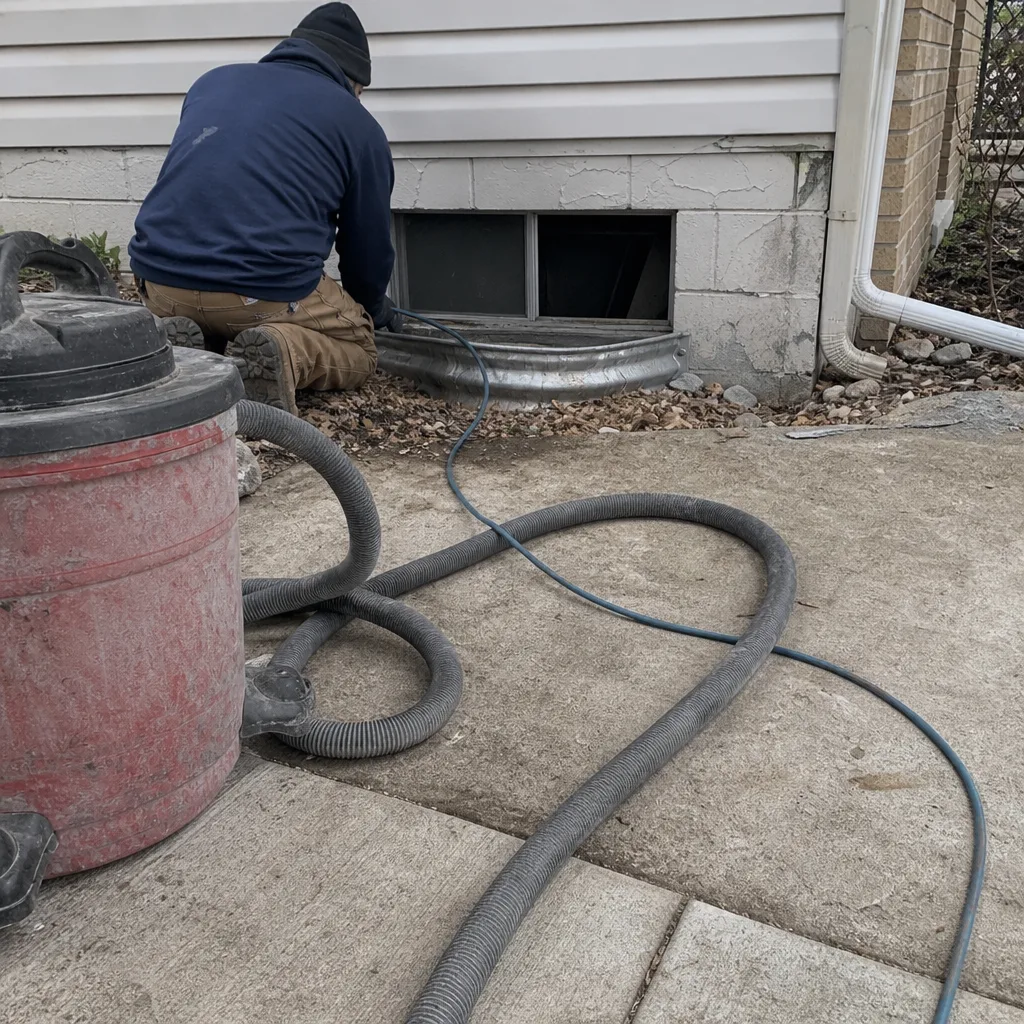 Before
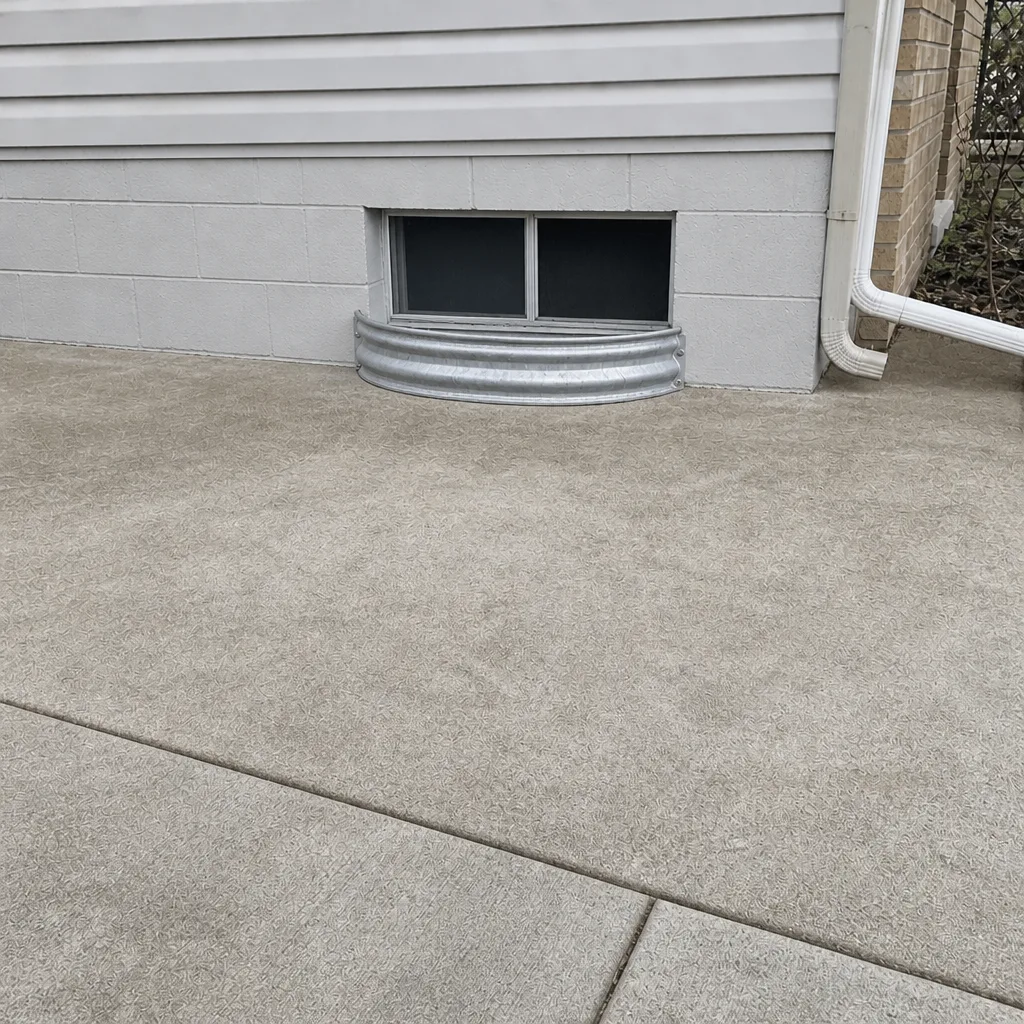 After
When to Call a Professional
Some signs mean it’s time to call. Persistent musty odors that don’t go away after filter changes, visible dust accumulating on registers faster than usual, allergy symptoms that worsen indoors, and uneven airflow between rooms are all triggers. If it’s been several years since service, or you’ve just moved into a Meadow Hills home where the system’s history is unknown, an inspection is worth scheduling. If a dryer vent is on your list, that’s a fire-risk system that warrants its own visit. Air Duct Cleaning Meadow Hills offers free estimates in Meadow Hills; call (855) 419-1723. We answer 24/7. Fast dispatch from 7am to 7pm, Sunday through Friday.
Frequently Asked Questions
Cost depends on the number of runs, the size of the system, and whether additional services like coil cleaning, duct repair, or sanitizing are needed. We give one flat price per system, agreed before work starts, with no per-vent pricing. The written estimate sets the final price. Call (855) 419-1723 for an exact quote; estimates are free.
Lower quotes usually reflect surface-only cleaning with consumer-grade vacuums, no coil or blower assessment, and no documentation. Source removal with professional-grade equipment takes more time and more equipment, which is why honest quotes reflect that work. If a quote seems too low to cover source removal, that’s likely not what you’re being offered. Call (855) 419-1723 to talk through the scope before you commit.
Before-and-after photos of your own ductwork, plus a written report of what was cleaned and what was found. A legitimate operator documents the job. If you don’t receive photos you can identify as your own system, that’s a sign to ask questions.
National guidance typically suggests intervals based on visible contamination and household conditions, but Meadow Hills’s semi-arid climate and elevation mean ducts here can accumulate particulate faster than in other regions. Homeowners here often benefit from an inspection on a shorter cycle than the general recommendation. Call (855) 419-1723 and we’ll help you assess whether service is due.
It’s strongly recommended. A dirty coil re-contaminates cleaned ducts, and leaving it unaddressed shortens the benefit of the cleaning. A full-system job assesses both together.
Cleaner ducts can reduce the volume of particulate circulating through a home’s air, which many allergy sufferers find makes a difference. We frame that as a benefit of the service category, not a guaranteed health outcome for any individual. Call (855) 419-1723 to discuss your situation.
The Bottom Line
The single most useful takeaway from this guide: ducts aren’t a standalone tube. They’re part of a connected system where the blower, coil, and registers all impact each other, and cleaning one part without the others leaves you with a job that doesn’t hold. In Meadow Hills, our semi-arid climate and elevation drive faster accumulation, which makes a complete, source-removal approach with proper documentation more valuable, not less. Source removal with professional equipment, coil and blower assessment, repair and sealing where needed, and real before-and-after evidence: that’s the whole job. If you need air duct cleaning in Meadow Hills, reach out.
Call Air Duct Cleaning Meadow Hills at (855) 419-1723 for a free estimate. We answer 24/7. Fast dispatch from 7am to 7pm, Sunday through Friday. One flat price per system, agreed before work starts, with before-and-after photos of your own system.
Written by the team at Air Duct Cleaning Meadow Hills.