
Last updated November 25, 2026
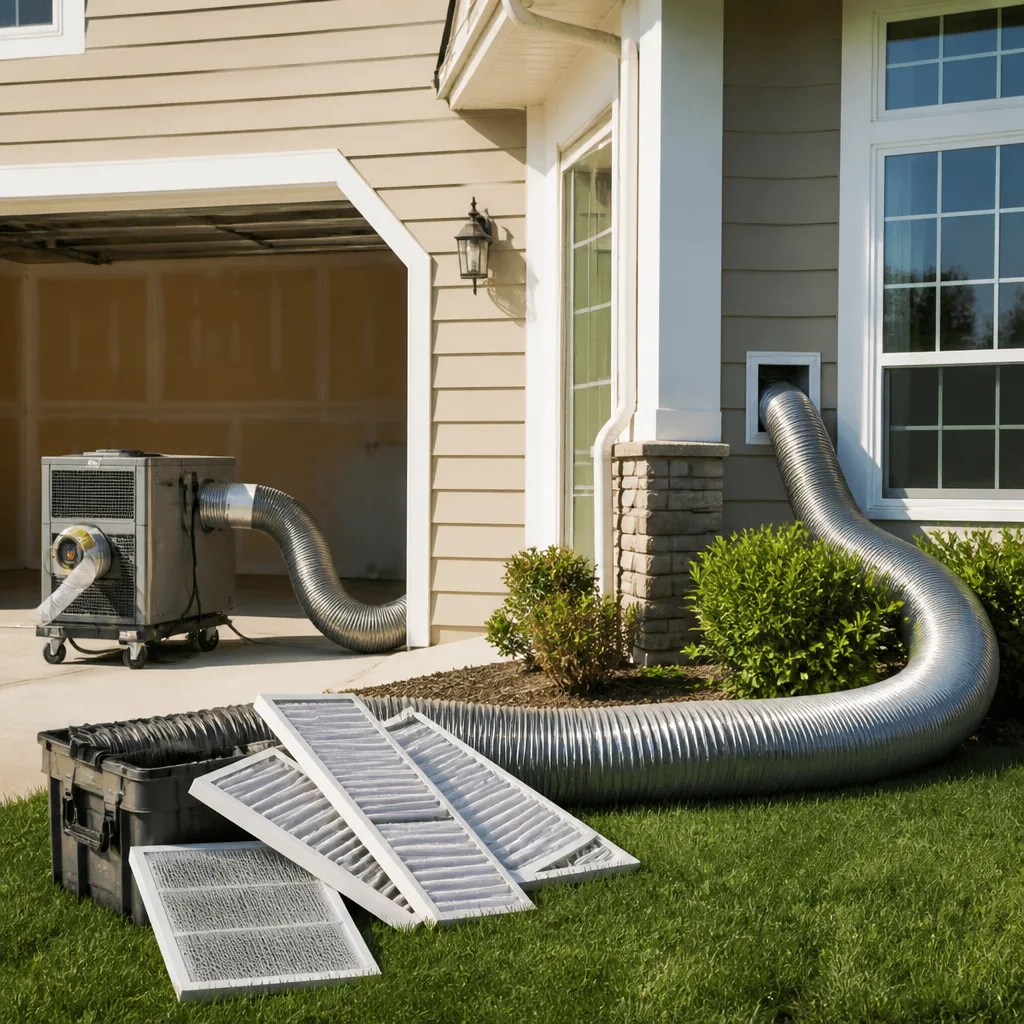 Whole-home duct cleaning
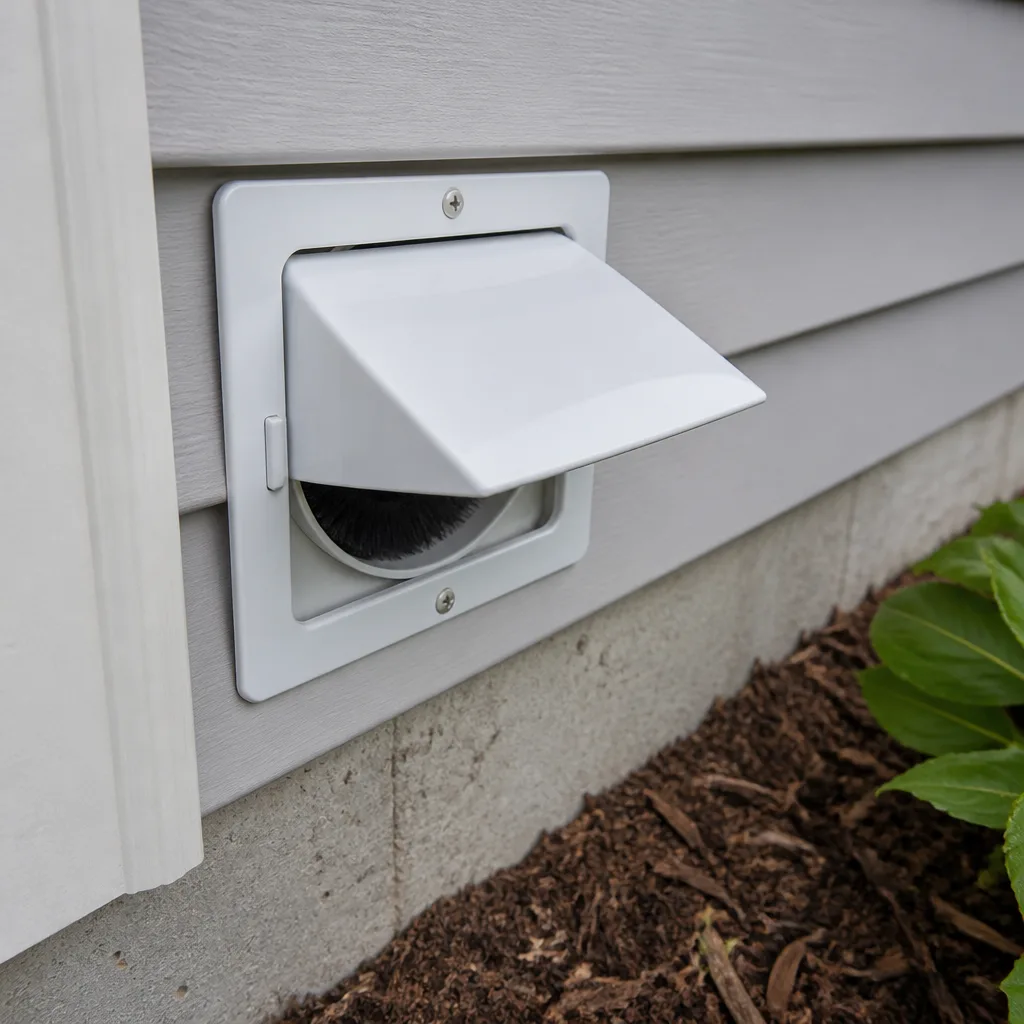 Dryer vent cleaning
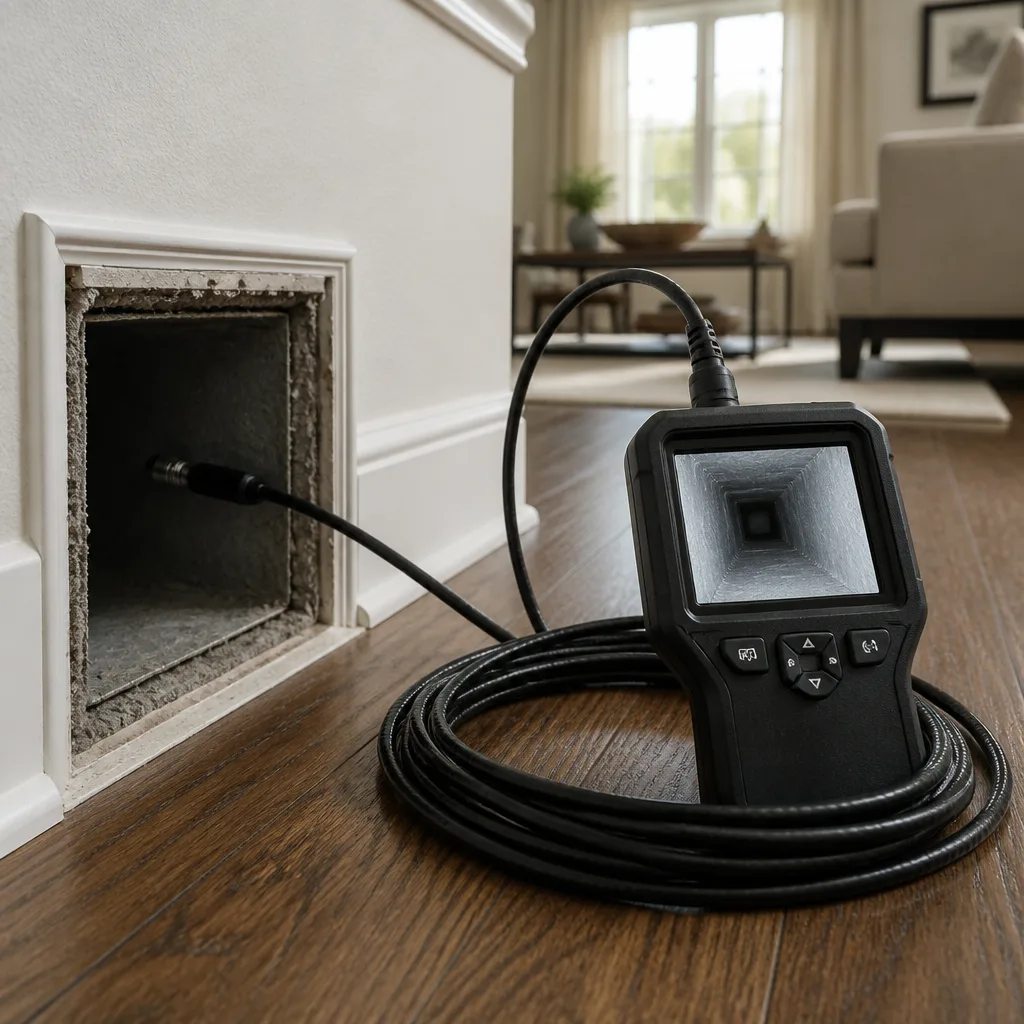 Camera inspection
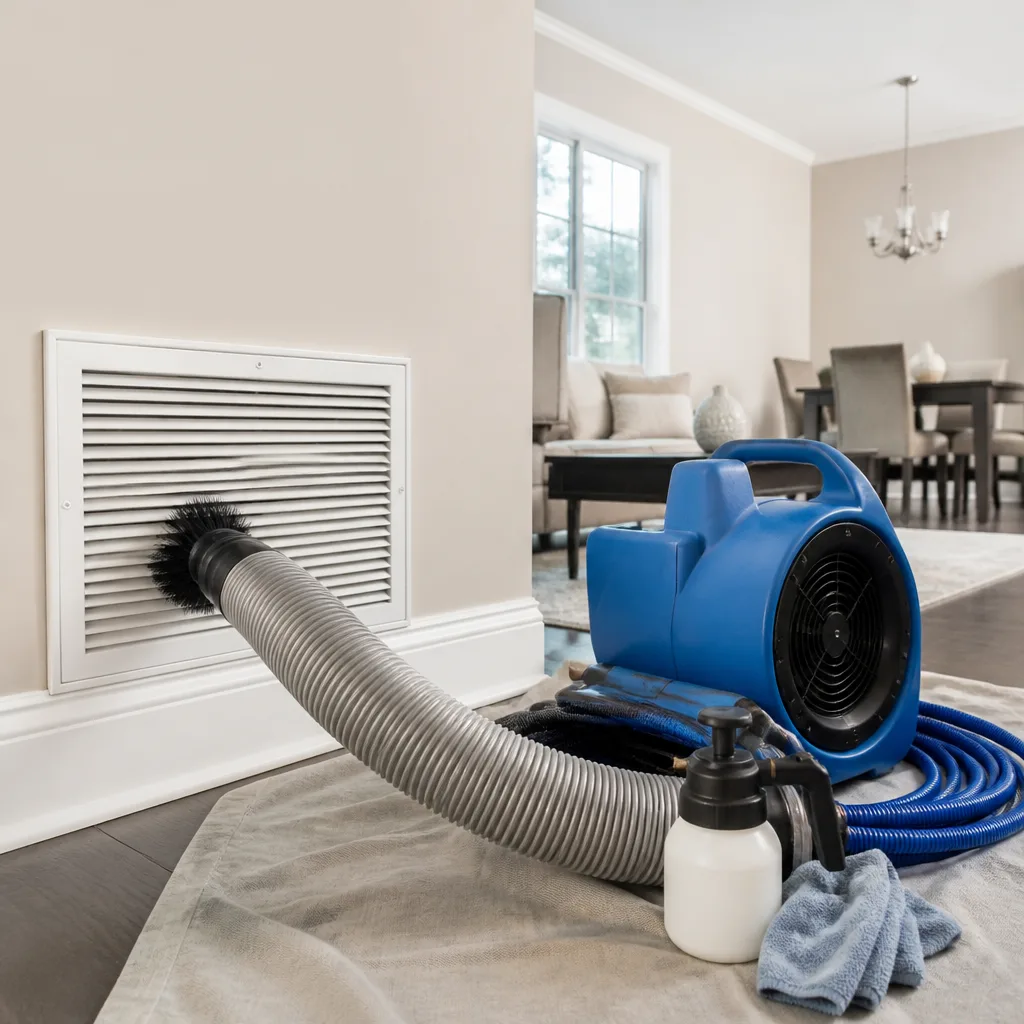 Sanitizing & deodorizing
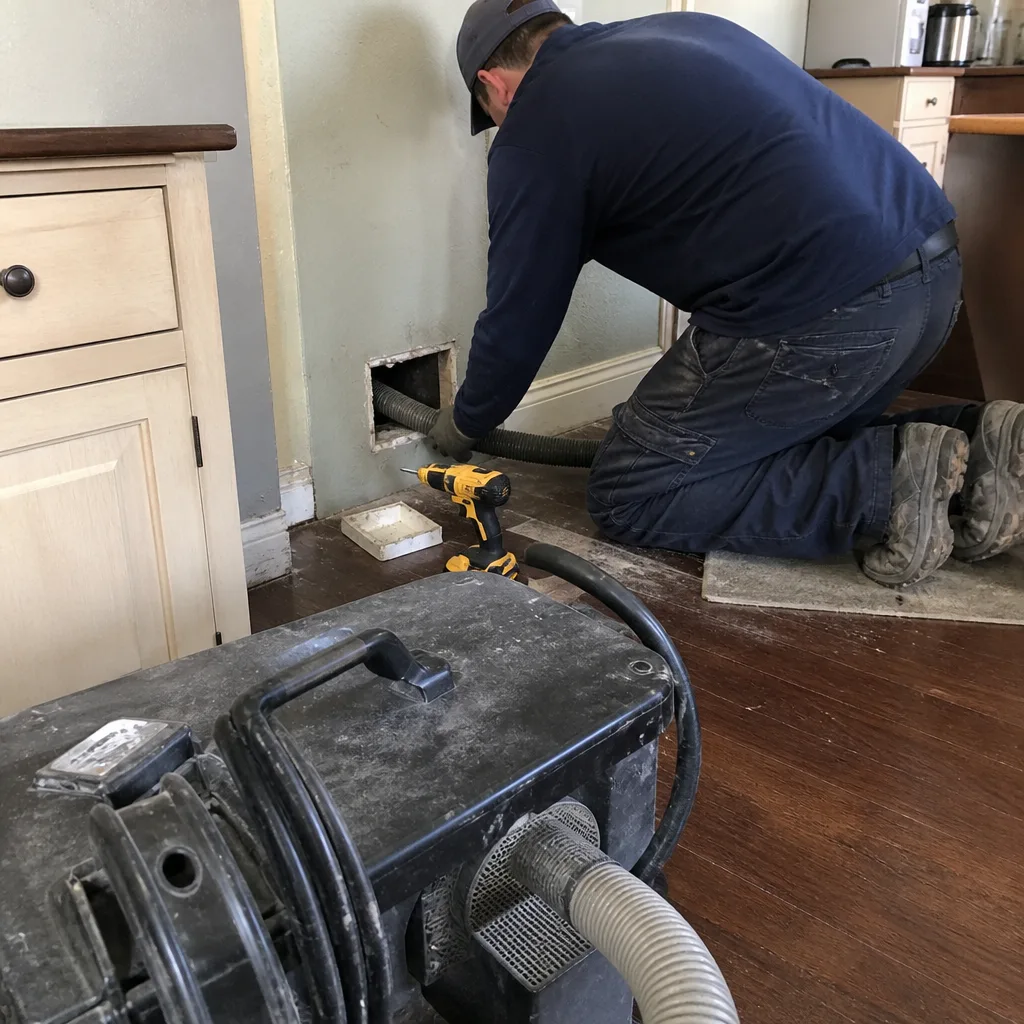
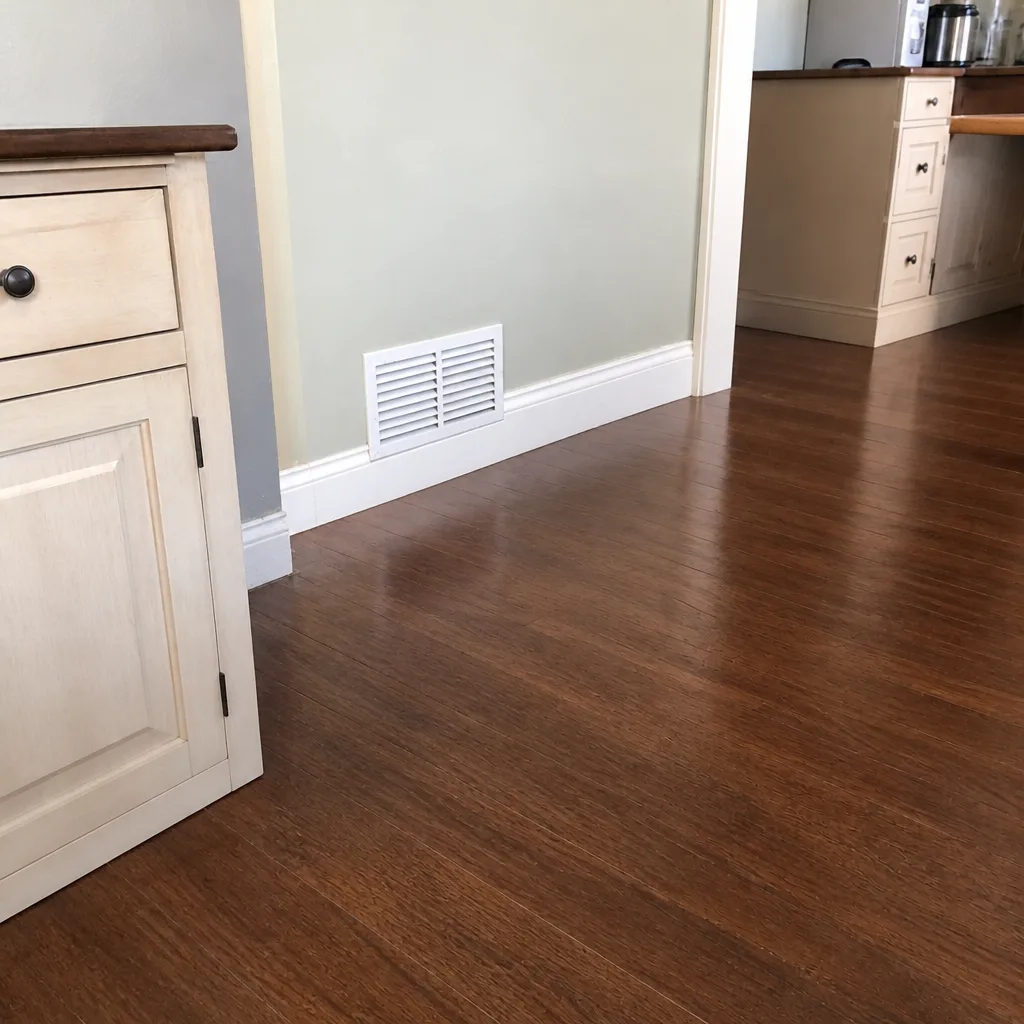
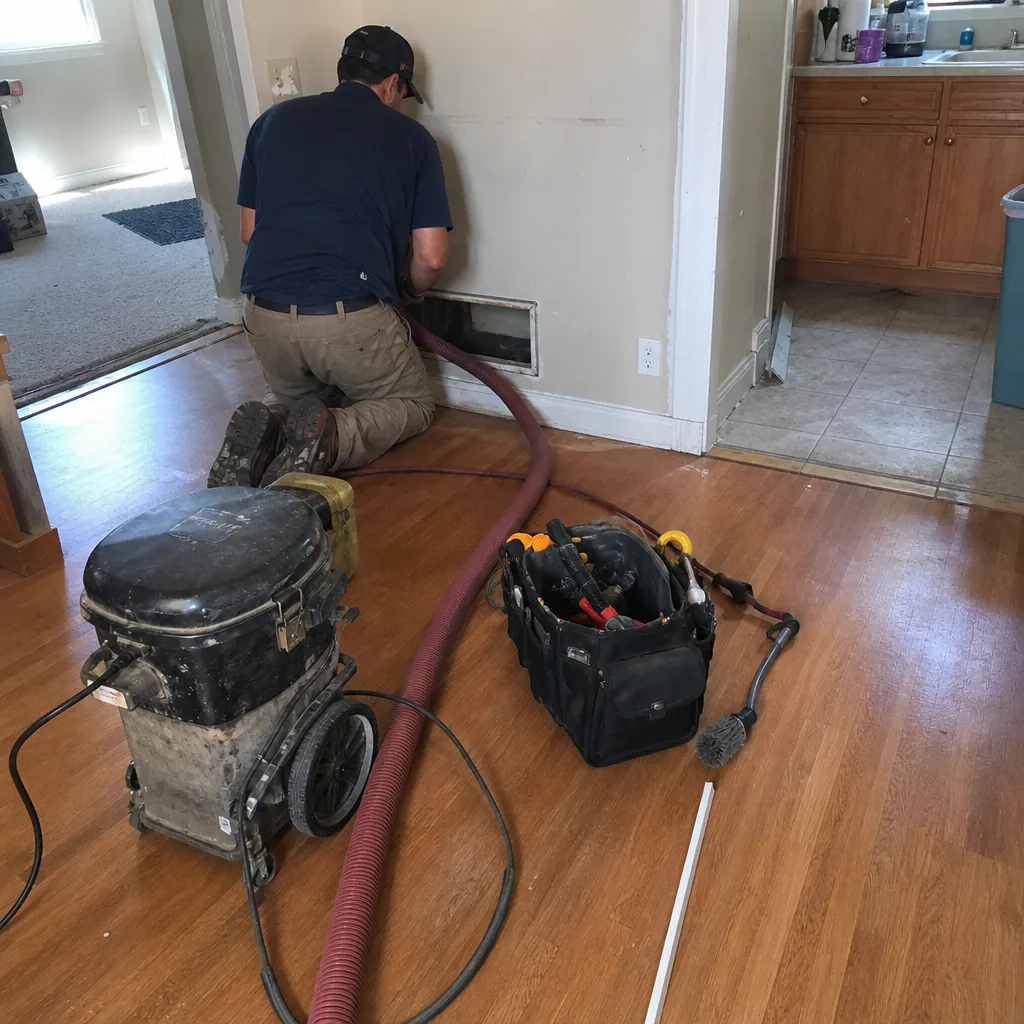
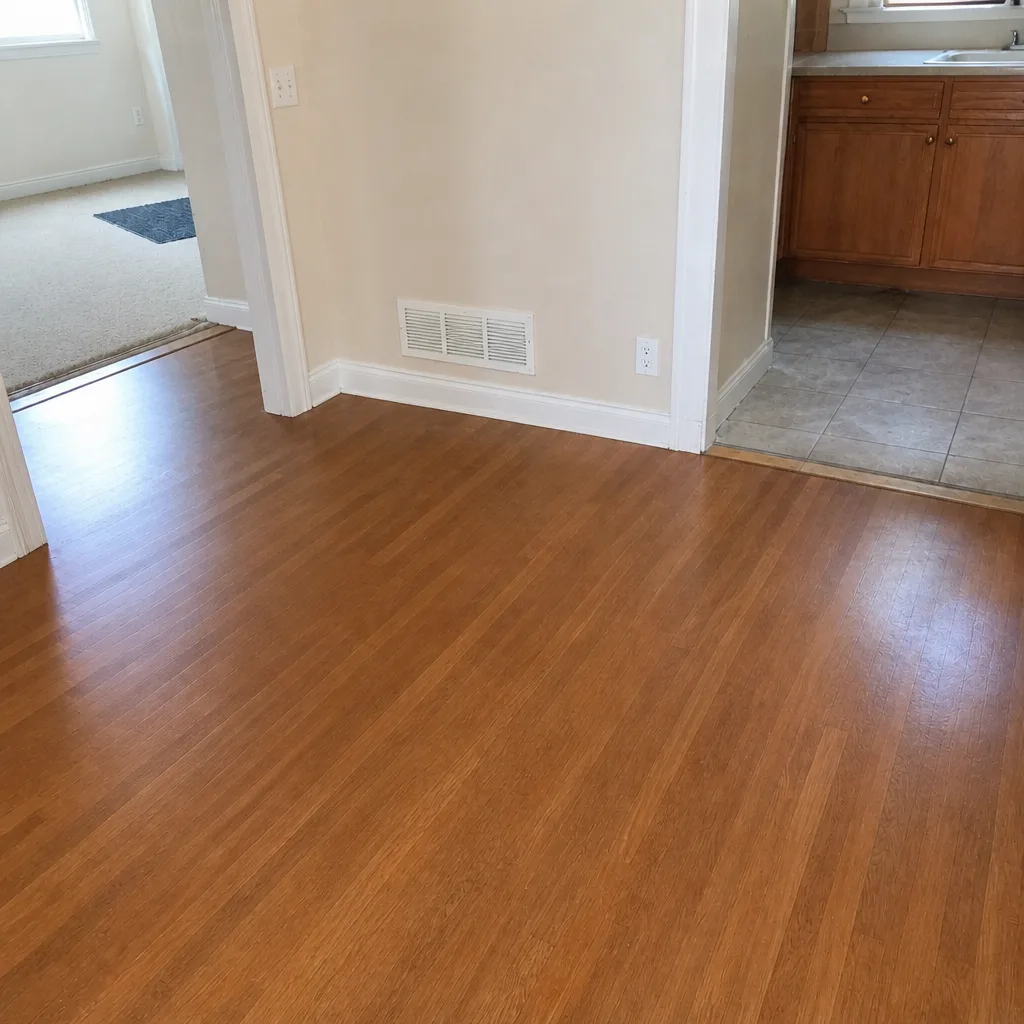
Whole-system duct and dryer vent check with before-and-after photos - you see exactly what came out of your vents
That "$99 whole-house special" is a bait ad - the real number appears once they are in your hallway, or the "clean" is a shop-vac at the register. We photograph the inside of your ducts before and after instead.
Air Duct Cleaning Warning Signs: A Meadow Hills Homeowner’s Reference Guide
Most homeowners notice dust blowing from a register and assume that’s the first sign of a duct problem. In our experience, it’s usually near the end of the story, not the beginning. The trouble announces itself months earlier through symptoms that don’t look like duct symptoms at all: a bedroom that runs three degrees warmer than the hallway, a furnace that cycles longer than it used to, a faint smell you can’t place. This reference guide walks through those early indicators one by one, explains what each one actually points to inside your duct system, and shows you how to tell a normal quirk from something worth investigating. If you live in Meadow Hills and your home has never had a documented duct inspection, this is the diagnostic framework to start with.
Quick Answer
The most reliable warning signs of a duct problem are uneven room temperatures, longer HVAC runtimes, active dust discharge at startup, recurring odors, and rising utility bills with no change in habits. Visible dust at the registers is a late sign, not an early one. If you notice two or more of these together, it’s worth booking a full-system inspection rather than guessing at the cause.
Styles & brands we work with
- Whole-home duct cleaning
- Dryer vent cleaning
- Camera inspection
- Sanitizing & deodorizing
Table of Contents
- Why Uneven Room Temperatures Are the First Warning Sign
- What Your HVAC Runtime Says About Duct Restriction
- Settled Dust vs. Active Dust Discharge
- Reading Odors: Musty, Burned Dust, and Chemical
- The Bill Creep Test: Rising Costs Without Behavior Change
- Airflow and Static Pressure: What a Technician Measures
- The Warning Signs Most Homeowners Overlook
- What a Proper Meadow Hills Duct Inspection Looks Like
Why Uneven Room Temperatures Are the First Warning Sign
A room that never quite matches the rest of the house is the single most common early symptom we come across, and it’s also the one homeowners most often chalk up to poor insulation or a badly placed thermostat. Both of those can cause temperature swings, but so can a duct system that’s leaking conditioned air into a crawl space or delivering too little air to a room because of a blockage or a crushed run. That’s why Air Duct Cleaning Meadow Hills treats temperature variance as diagnostic information, not background noise.
Temperature gaps are measurable. You don’t need an infrared camera to get started. Here’s the rough framework we use when a homeowner describes what they’re noticing:
- 2 degrees F or less: Normal. Rooms on the sunny side of a house will always run a touch warmer in summer, and rooms above a garage will always run cooler in winter.
- 3 to 5 degrees F: Worth watching. Track it over a couple of weeks with a cheap room thermometer. If it holds steady season to season, it’s likely a duct delivery issue rather than insulation.
- 6 degrees F or more: Worth investigating now. A gap this wide usually points to a disconnected run, a crushed flex duct, or a significant leak somewhere in the trunk line.
In Meadow Hills, the housing stock matters here. Homes with long duct runs, finished basements added after the original build, or flex duct that’s been routed through attic space tend to show the widest swings, especially when summer outside air pushes 90 degrees and the ductwork running through a hot attic loses its cold before it arrives.
The reason this is such an early warning sign: air leakage doesn’t have to be dramatic to matter. A single disconnected run feeding one bedroom can drop its delivered airflow by a third. You feel that as a temperature difference long before you ever see dust.
What Your HVAC Runtime Says About Duct Restriction
If your system seems to run longer than it used to, duct restriction is a strong candidate. A furnace or air handler that has to push against a partially blocked or leaking duct system takes more time to satisfy the thermostat, which means longer cycles. It’s not your equipment getting tired. It’s your equipment working harder to move air through a system that isn’t flowing the way it was designed to.
You can track this without any special tools:
- Time one cycle. When the system kicks on, note the time and note when it turns off. Do this on a neutral weather day (no extreme heat or cold) so external temperature isn’t confounding the result.
- Compare against a healthy baseline. On a mild day, a system that reaches setpoint in 12 to 15 minutes is typically running well. Cycles that routinely run 25 minutes or longer on a mild day, without reaching setpoint, suggest restriction.
- Watch for short cycling in the other direction. A system that turns on and off every few minutes may have an oversized unit or a sensor problem, but it can also indicate blockages on certain runs that trip a pressure limit.
- Note which rooms are conditioned when. If one room never reaches temperature while the system cycles normally, the problem is feed, not runtime. That points to a bad run.
Runtime analysis is an underused tool. Most homeowners look at the equipment when runtime goes up, not the delivery side. In our experience, restricted ducts are the silent cause behind many systems that are doing what they’re told but just can’t keep up. We use Rotobrush equipment to assess and clear restriction once we’ve confirmed it, but the first step is measuring the pattern.
Settled Dust vs. Active Dust Discharge
Dust on a register is not a warning sign on its own. Every home that has registers gets dust settling on them. The real indicator is what happens when the system is running. Settled dust sits quietly. Active discharge blows.
Here’s how to tell the difference:
- Settled dust: A thin even film on the louver face of the register, typically when the system is off. Wipes off clean, comes back slowly over weeks. This is a normal house.
- Active discharge: Visible puffs or clouds of dust leaving the register within a minute or two of system startup, especially if you can see it against a window or in a shaft of light. Repeated, not a one-time event after renovation.
- Recurring film on furniture: A white or grey dust film that reappears on a coffee table within days of cleaning suggests the system is moving particles into the room, not just settling them.
- Streaking at the register: Dark streaks around the grille frame are a sign of high particle throughput consistent with a soiled duct interior.
Active discharge is significant because it means the duct system has accumulated enough soil to release it under normal airflow. That type of accumulation doesn’t happen overnight. It usually reflects a system that hasn’t been cleaned in many years, or one that has pulled air from a contaminated return path (a crawl space, a garage void, or an attic). When we see active discharge in a Meadow Hills home, we also check the return path, because pulling from the wrong place is a common source of repeated contamination. A full air duct cleaning using professional equipment resolves the accumulation, but fixing the source matters just as much.
Reading Odors: Musty, Burned Dust, and Chemical
Odors are often the most informative warning sign and the one homeowners describe most vaguely. Different smells point to different root causes, and separating them makes a real difference to what actually needs to be addressed in the duct system.
Musty smell
A damp, earthy, or wet-basement smell coming from the registers typically points to mold or biological growth inside the duct. This is common in Meadow Hills homes that have duct runs through unconditioned space where temperature swings and humidity combine. Mold doesn’t have to be visible to be a problem, and musty odor is one of the strongest early indicators that air quality and sanitizing should be part of the service plan, not just cleaning.
Burned dust smell
A hot, dusty, “first heat of the season” smell that shows up when the furnace comes on usually means dust is burning off a heat exchanger or a hot duct surface. A faint version on the first cold day is normal. A smell that persists through the season, or that intensifies over weeks, suggests dust accumulation on hot surfaces that should be addressed, and it’s also a signal to have the heat exchanger inspected by a qualified HVAC technician.
Chemical or solvent smell
A sharp or chemical aroma from registers can come from material off-gassing inside the duct, especially with new construction, recent duct work, or certain construction adhesives. It can also come from a nearby household product being pulled in through the return path. If a chemical smell appeared suddenly and doesn’t match anything you’ve brought into the house, have it investigated right away and ventilate in the meantime.
What to do with your observations
- Note when the smell appears. On startup only, all the time, or seasonally? Each pattern narrows the diagnosis.
- Note where it’s strongest. One register, one side of the house, or everywhere? Single-register smells usually mean a run-specific issue.
- Note whether it changes with weather. Seasonal smells often point to condensation and biological growth, which is common in Meadow Hills where humidity swings sharply between seasons.
The Bill Creep Test: Rising Costs Without Behavior Change
Rising utility bills are one of the most reliable warning signs that something in the duct system is leaking or restricted, but only if you rule out the obvious causes first: rate increases, thermostat schedules that shifted, more people at home during the day, a new appliance. Once you’ve cleared the noise, bill creep can tell you a lot.
The energy loss picture is roughly predictable. Here’s how we frame it:
- Small joint leaks (a handful of gaps in the trunk): A small but measurable energy loss each month, typically masked by normal bill variation. Hard to spot in isolation.
- Disconnected or crushed run: That room loses essentially all its conditioned air, and the system compensates by running longer. Losses become visible on the bill over a season.
- Duct runs through unconditioned attic or crawl space with failing insulation: The most common significant leak scenario in homes with long duct runs. The system delivers warmer air in summer and cooler in winter, so the equipment cycles longer to reach setpoint.
- Return-side leaks drawing hot attic air: The system pulls in air that then has to be conditioned, which lengthens runtime and shows up as a clear seasonal bill increase.
Bill creep isn’t proof on its own, but combined with even temperature gaps and longer runtimes, it’s a solid case for an inspection. Duct repair and sealing closes what a cleaning alone would leave open. That’s why we treat duct repair and sealing as its own service rather than an upsell. A vacuumed duct system with leaks still has leaks.
Airflow and Static Pressure: What a Technician Measures
To a trained technician, airflow and static pressure are the objective version of everything the homeowner has been noticing. This is where the diagnosis moves from the “what we’re seeing” list to the “what we can prove” list.
Here’s the sequence a proper diagnostic pass follows:
- Static pressure at the air handler. Measured upstream and downstream of the blower to see how hard the system is working against restriction. High static pressure means air can’t flow freely.
- Register airflow at each outlet. A handheld flow hood or a calibrated anemometer gives a per-register reading. Rooms reading half of the house average are almost always restricted on the feed side.
- Duct leakage estimation. Pressure pan or duct blaster testing isolates how much air is being lost from the duct before it reaches the rooms.
- Smoke or thermal inspection of accessible runs. Confirms visible disconnects, crushed flex, and gaps at joints.
- Return path check. Confirms the system is pulling return air from a clean conditioned space rather than from a void or crawl space.
- Contamination sample where relevant. For persistent musty odor, a sample of duct surface or returned air can confirm biological growth and determine where sanitizing is appropriate.
A full inspection with those steps gives you a documented picture of your system rather than a list of guesses. That’s the difference between a technician who can tell you exactly which run is losing air and one who recommends cleaning everything and hopes it helps. For HVAC side of the system, HVAC cleaning addresses coil and blower soil, which affects airflow just as directly as duct restriction does.
The Warning Signs Most Homeowners Overlook
Duct symptoms grab attention because they affect comfort. Dryer vent symptoms don’t, until they have to, and that’s exactly why they get overlooked. A slow-drying dryer, a laundry room that gets humid, or lint piling up behind the dryer are all early signs of a vent restriction that needs attention.
Here’s what to watch for on the dryer side:
- Clothes take longer than one cycle to dry. Normal timed dry should finish the load. A sudden jump in drying time is the clearest early indicator.
- The dryer body gets hot to the touch. Heat building inside the machine because it can’t exhaust properly.
- The laundry room feels damp after a cycle. Moisture escaping into the room rather than exhausting outside.
- Visible lint buildup behind or under the dryer. Lint is what a fully clogged vent is made of; where it’s accumulating tells you how restricted the exhaust path is.
- The exterior vent flap doesn’t open fully during operation. A partially opening flap means low exhaust flow.
- Burning smell from the dryer. Stop the dryer and call for service right away. This is not a sign to observe over weeks.
Dryer vent cleaning is a fire-risk service many duct cleaners skip, and it’s one we encourage homeowners not to set aside. A dedicated dryer vent cleaning removes accumulated lint from the full exhaust path, not just the flexible section behind the dryer, and inspects the run for crushing or improper routing at the same time.
What a Proper Meadow Hills Duct Inspection Looks Like
Warning signs are useful because they tell you when to look. The inspection itself is where you find out whether the signs point to a real problem or a false alarm. Here’s what to expect from a thorough one, and how to spot a shortcut.
What a good inspection includes:
- Access to the full system, not just the returns: supply trunk, individual runs, and the air handler cabinet where possible.
- A camera inspection of the duct interior in the areas that are hard to reach by hand.
- Documentation before and after any work, with photos of the duct interior, not just the register faces.
- Written line-item pricing per system, agreed before any work starts.
- A clear distinction between cleaning, repair, sealing, and sanitizing, priced separately so you can see what each is doing.
What a shortcut inspection looks like:
- A pushy pitch based on a coupon price that doesn’t cover the scope of the actual job.
- No photos and no camera inspection, just a verbal recommendation.
- Quoting per vent instead of per system, which gets expensive fast and leaves the trunk and air handler out of scope.
- Skipping the repair step: cleaning out a duct system with disconnected runs doesn’t fix the comfort problems that started the job.
We use Rotobrush and Nikro equipment because they’re the systems serious contractors actually select for a full-system job, not consumer-grade vacuums with a longer hose. We also carry Abatement Technologies equipment, which gives us the filtration and contaminant control necessary to handle mold and heavy contamination scenarios properly. That matters in Meadow Hills homes where ductwork runs through unconditioned space and settles into temperature swings year after year. Honeywell and Aprilaire air quality products round out the picture when the inspection shows filtration or humidity control is part of the answer.
Common Mistakes to Avoid
- Judging a system by register dust alone. A house can have spotless registers and a badly leaking trunk line. Track temperatures and runtimes, not just visible dust.
- Assuming a new filter solves everything. Filters catch what reaches them, but they can’t undo a disconnected run or a crushed flex duct. A clean filter and a leaky duct system can coexist happily.
- Cleaning without repairing. If a duct cleaning visit closes with a dusty vacuum and no sealing, gaps and disconnected runs are still there, and the system will re-contaminate on the next heating or cooling season.
- Choosing the cheapest per-vent quote. Per-vent pricing typically excludes the trunk line, the air handler, and any repair. A whole-system price agreed in writing is what protects you from a mid-job surprise.
- Ignoring dryer vent symptoms because the dryer still “works.” A dryer that runs but dries slowly is sending lint into a path that’s becoming more restricted with every load.
- Treating a musty smell as a nuisance rather than a diagnosis. Musty odor is one of the more reliable early indicators of biological growth in the duct, and it doesn’t resolve without addressing the source.
- Skipping the inspection because the symptoms come and go. Symptoms that appear only in extreme weather are often the most telling; they show up exactly when the system is working hardest against a restriction.
See the difference
 Before
 After
 Before
 After
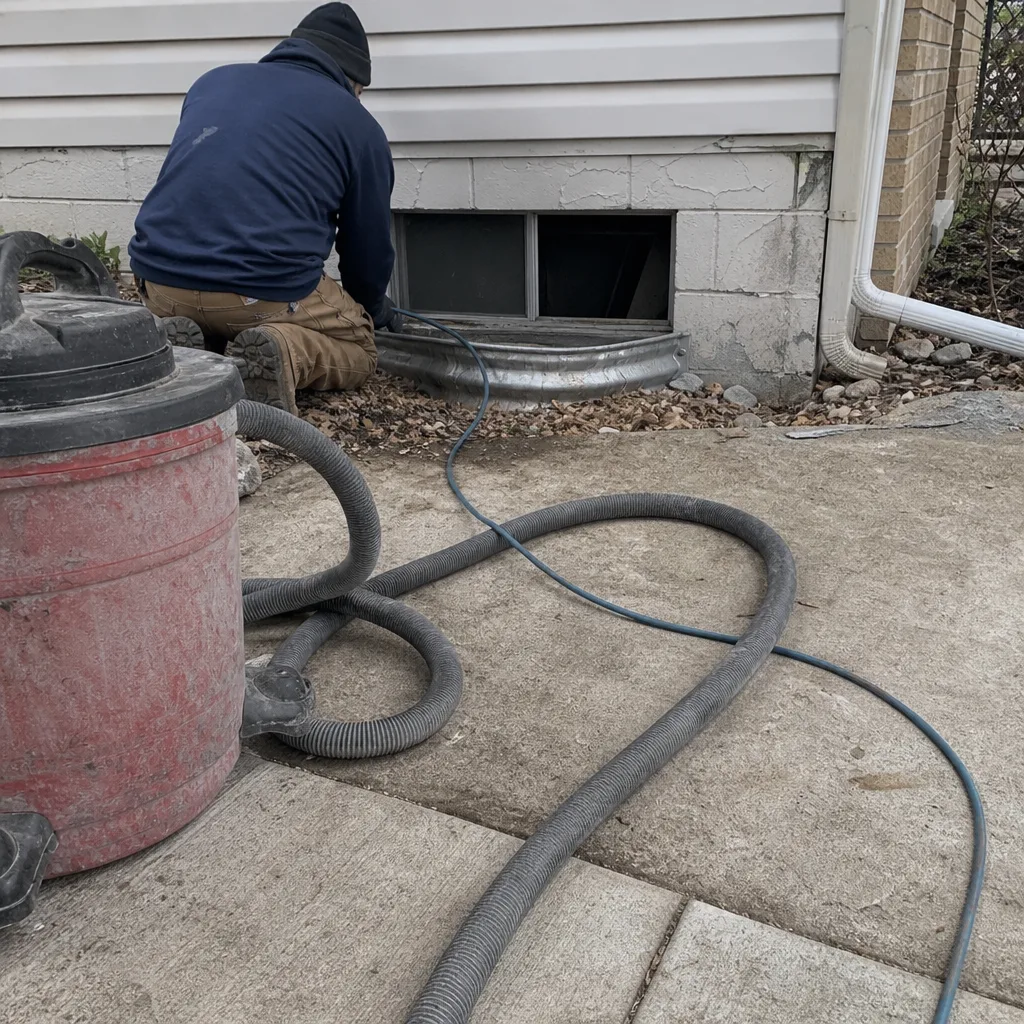 Before
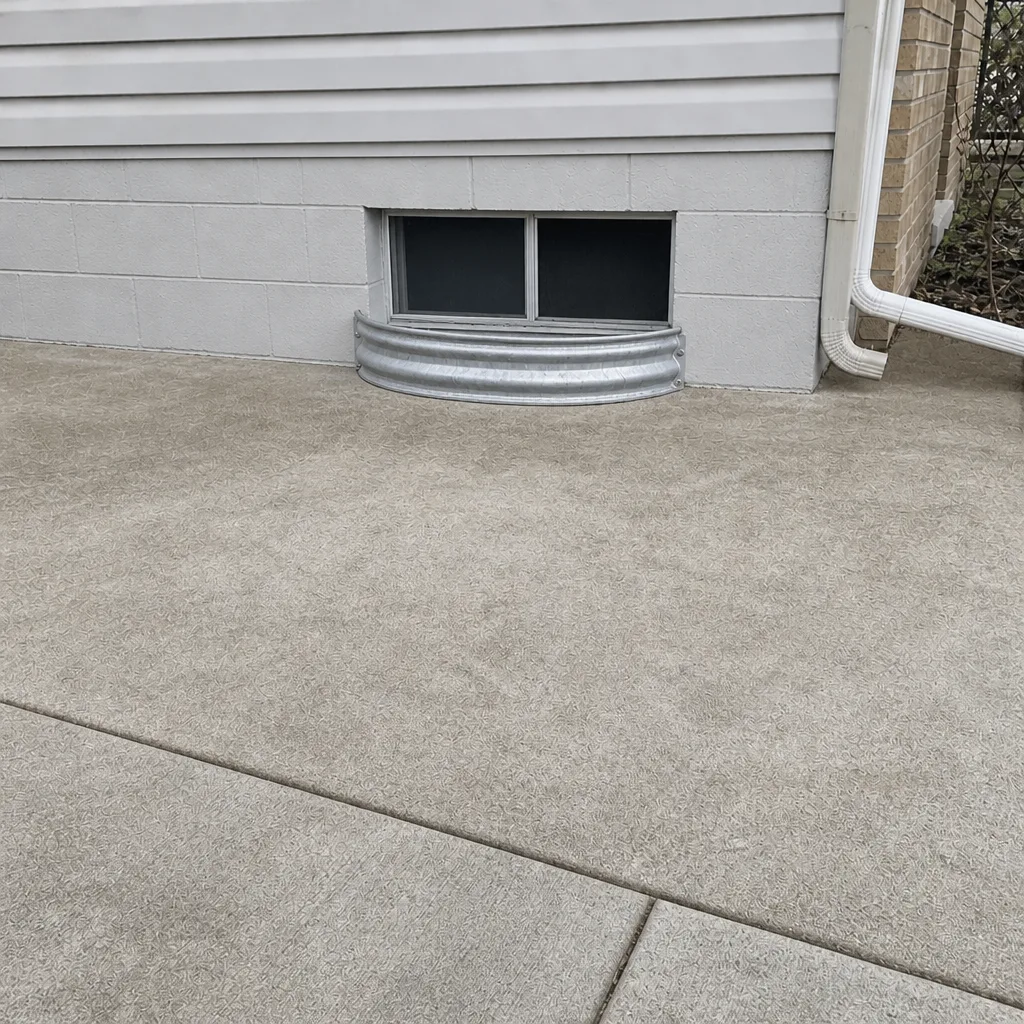 After
When to Call a Professional
Homeowners in Meadow Hills should call for a professional inspection when they’re seeing two or more of the signs above together, or any single sign that’s clearly worsening. Uneven temperatures that hold at 6 degrees or more, runtimes that have clearly lengthened on mild days, active dust discharge at startup, a musty or burned smell that persists, and a dryer that’s suddenly taking two cycles to dry a load all warrant a look. So does a bill creep that’s survived a rate review and a habits review. The safe move on any of the odor-related signs, particularly a burned smell from the dryer or a chemical smell from the registers, is not to wait and watch. Air Duct Cleaning Meadow Hills offers free estimates in Meadow Hills. Call (855) 419-1723. We answer 24/7. Fast dispatch from 7am to 7pm, Sunday through Friday.
Frequently Asked Questions
The most reliable warning signs are uneven room temperatures of 3 degrees F or more, longer HVAC runtimes on mild days, active dust discharge at system startup, musty or burned-dust odors from the registers, and rising utility bills with no change in household habits. Visible dust on the register face is a late sign; watch the airflow behavior instead. If two or more of these are happening together, it’s worth a full inspection. Call (855) 419-1723 for a free estimate. We answer 24/7. Fast dispatch from 7am to 7pm, Sunday through Friday.
Measure the gap first. A 2 degree difference between rooms is usually normal and often points to sun exposure or home layout. A persistent gap of 3 to 5 degrees F is worth tracking over a couple of weeks. A gap of 6 degrees F or more, especially in a single room, points strongly to a feed duct problem: a disconnected run, a crushed flex duct, or a leak in the trunk. Insulation problems tend to affect whole zones uniformly; a single room that never catches up usually has a duct issue.
Cheap quotes typically cover a per-vent scope, which leaves out the trunk line, the air handler, and any repair or sealing work. The low number gets you in the door, and the price rises once the technician is on site and the real scope is clear. That’s the bait-and-switch pattern this industry is known for. Look for a written, per-system price agreed before work starts, and before-and-after photos of the duct interior, not just a cleaned register face. Call (855) 419-1723 for an exact quote – estimates are free.
Every three to five years is the usual cadence for most homes, but the real answer depends on what the inspection finds. Homes with pets, recent renovation, or visible mold in the duct need it sooner. Homes with new ductwork or a well-maintained system can go longer. The warning signs in this guide are the real trigger, not the calendar. If the signs aren’t there, holding off is reasonable. If they are, don’t wait for a specific date.
A duct problem can worsen allergy symptoms by circulating dust, pollen, and biological particles that should have stayed in the duct system. It’s not a medical diagnosis and we don’t frame it as one. What we can say is that cleaning, sealing, and sanitizing the system removes the accumulation and closes the leak paths, which is a service category benefit rather than a guaranteed health outcome. If symptoms are persistent, see your doctor and treat duct cleaning as one part of the overall picture.
Cleaning removes accumulation from the inside of the duct. Repair and sealing close the gaps, disconnected runs, crushed sections, and leaks that let conditioned air escape and unfiltered air in. Cleaning alone leaves the escape routes open, and the duct tends to re-soil quickly because the system is still pulling from where it shouldn’t. A complete job includes both. We seal what we find rather than cleaning around it. Call (855) 419-1723 for a free estimate on both.
The Bottom Line
The warning signs that matter most in a Meadow Hills home are the quiet ones: a room that runs 6 degrees off the house average, a furnace that suddenly needs 25 minutes to reach setpoint, a musty smell that shows up only when the heat does, a bill that keeps climbing with no behavior change behind it. Visible dust at the register is the last warning, not the first. Track the early signs, bring a short written list of what you’ve noticed to the inspection, and insist on a written per-system price plus before-and-after photos of the duct interior. Cleaning is the beginning; repair, sealing, and air quality treatment are what make the fix last. Our technicians have up to 11 years of experience with professional-grade equipment. Call Air Duct Cleaning Meadow Hills at (855) 419-1723 for a free estimate. We answer 24/7. Fast dispatch from 7am to 7pm, Sunday through Friday.
Written by the team at Air Duct Cleaning Meadow Hills.