
Last updated November 25, 2026
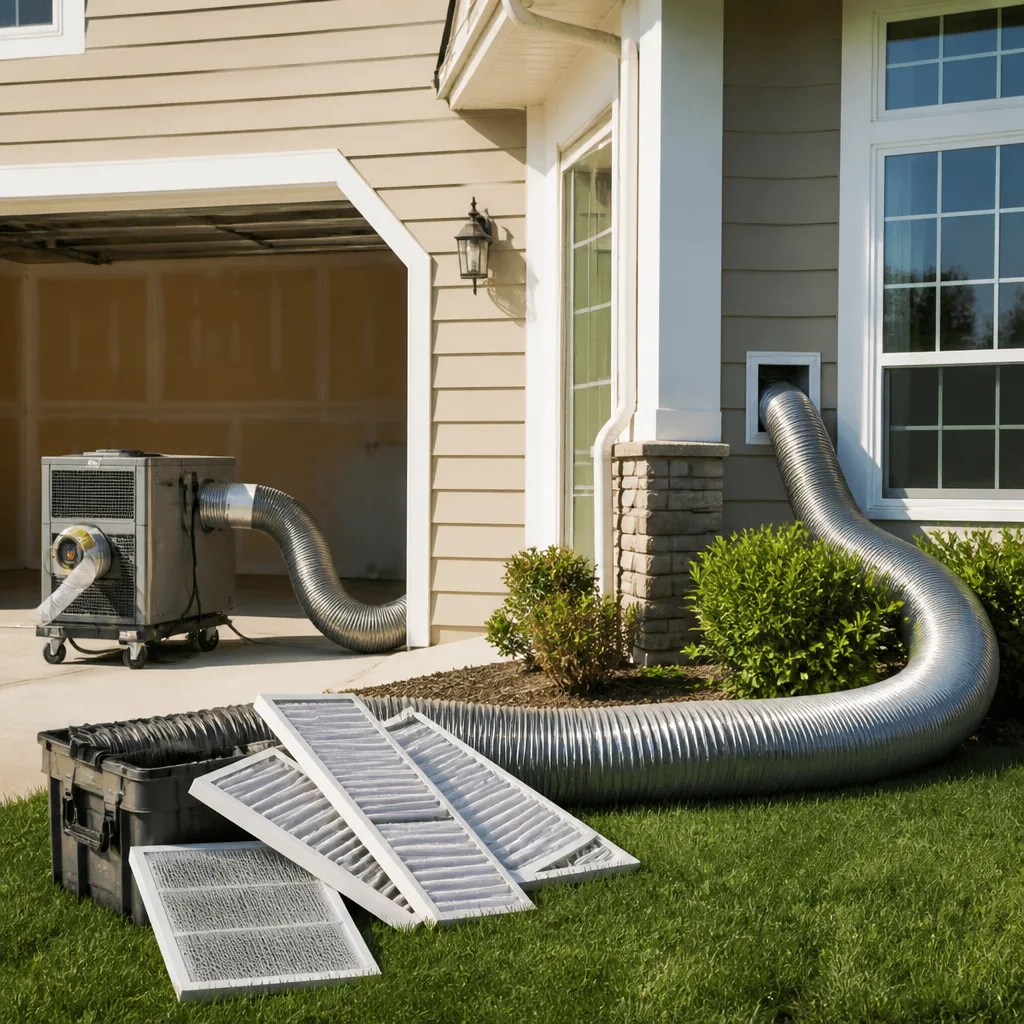 Whole-home duct cleaning
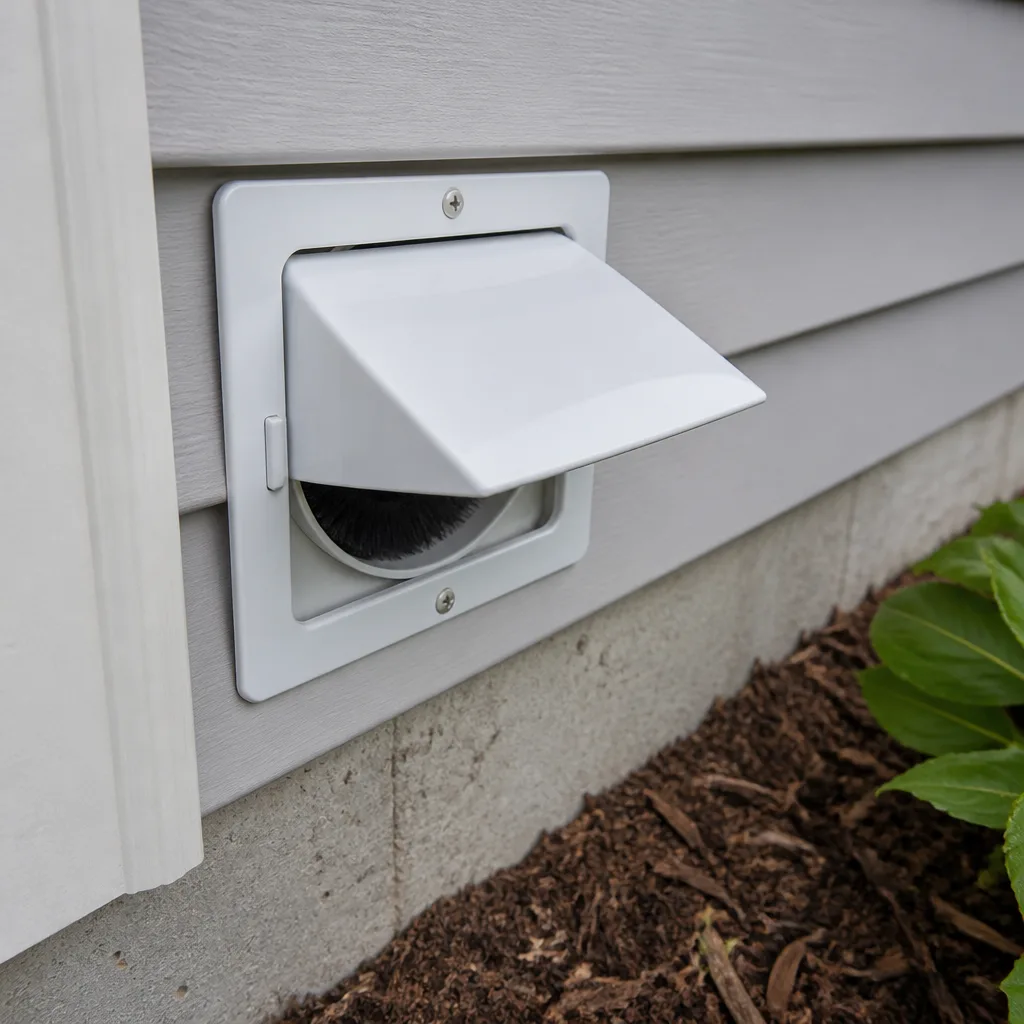 Dryer vent cleaning
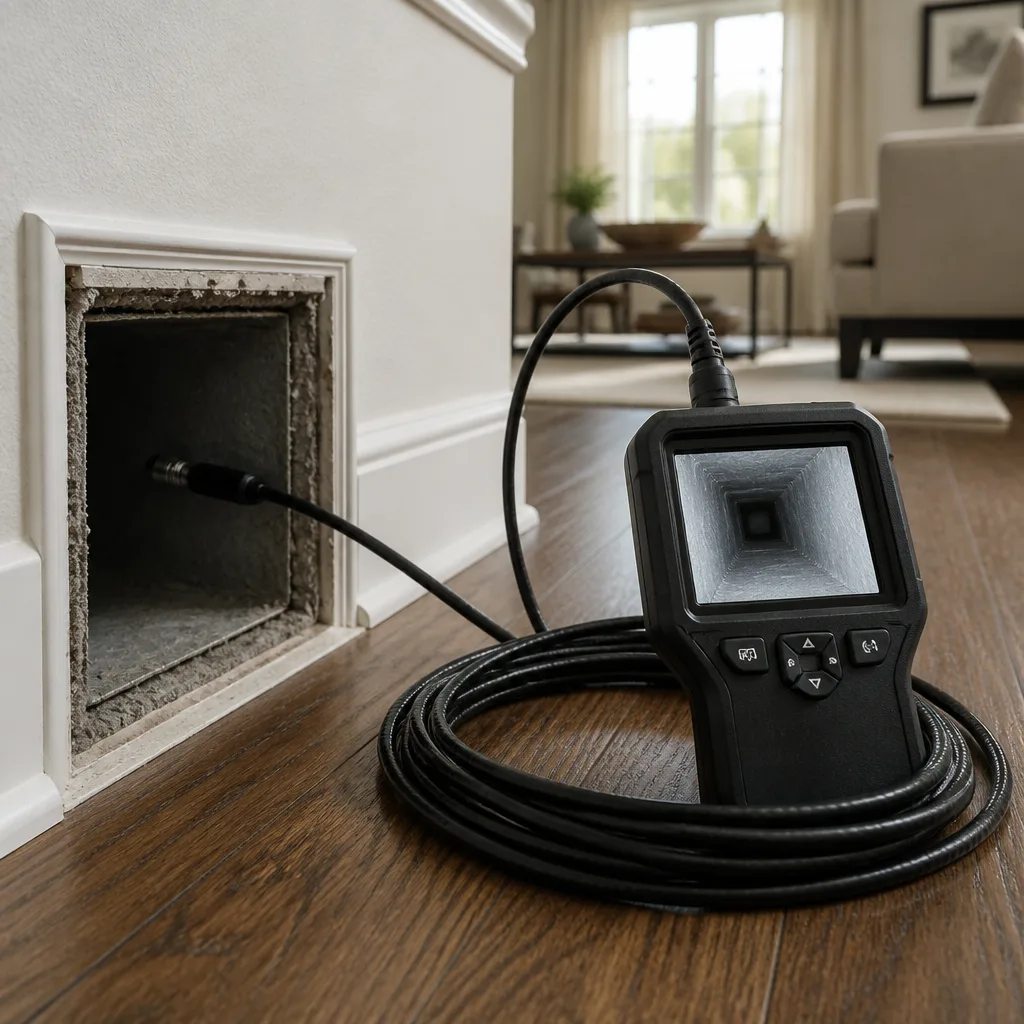 Camera inspection
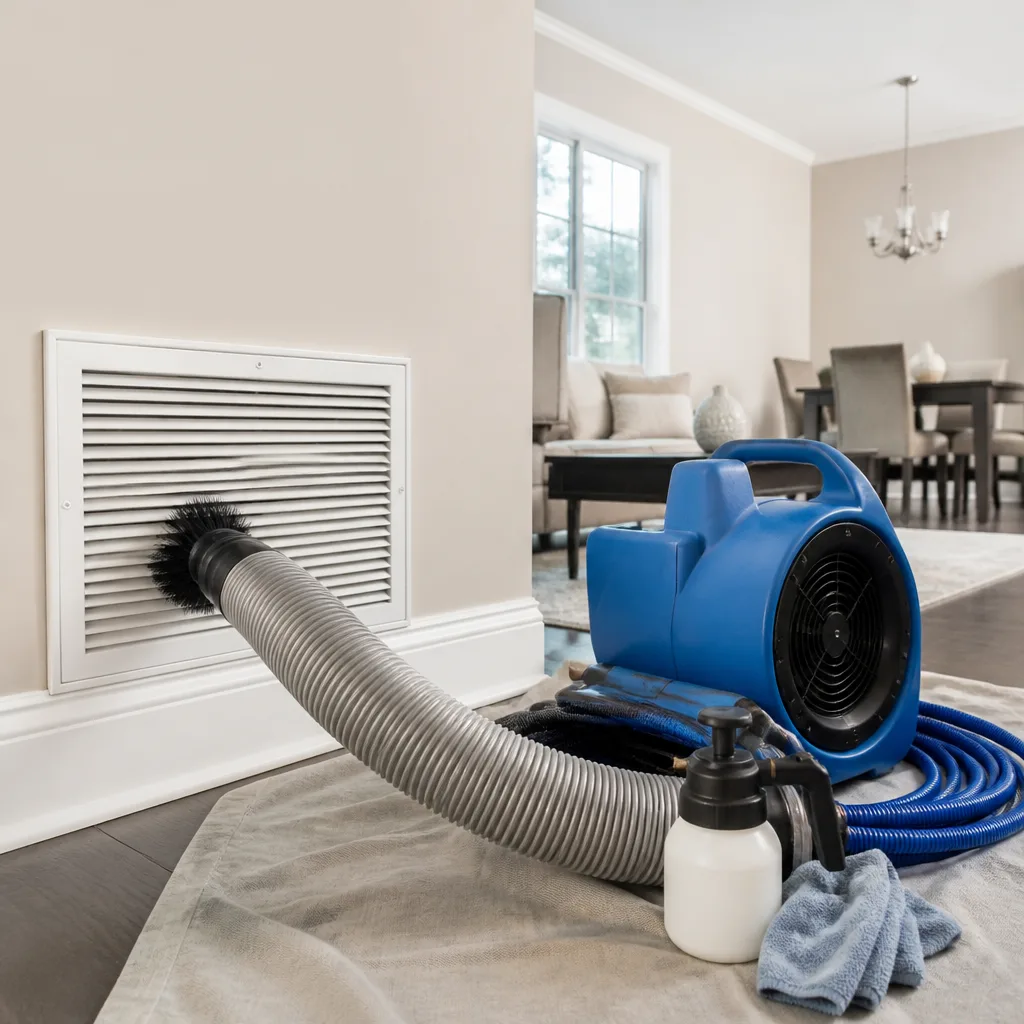 Sanitizing & deodorizing
Whole-system duct and dryer vent check with before-and-after photos - you see exactly what came out of your vents
That "$99 whole-house special" is a bait ad - the real number appears once they are in your hallway, or the "clean" is a shop-vac at the register. We photograph the inside of your ducts before and after instead.
Air Duct Cleaning Permits, Codes & Inspections in Meadow Hills, CO: What You Need to Know
Here’s the part most homeowners never hear until it costs them: cleaning your ducts usually needs no permit in Colorado, but the sealing, re-routing, or resizing that often rides along with a cleaning job very well might. The line between maintenance and modification is where trouble starts. A technician who seals a run or moves a trunk line without pulling a permit isn’t just skipping paperwork. That work can affect an HVAC warranty and become a disclosure item when you sell. In Meadow Hills, where the housing stock is older and duct systems have usually been touched more than once, we see this constantly. This guide walks you through the Colorado mechanical code distinction, when sealing crosses into permitted work, how county jurisdiction changes the threshold, and what to ask for in writing before anyone touches your ductwork.
Quick Answer
In Colorado, routine air duct cleaning is treated as maintenance and does not require a permit. Duct repair, sealing with mastic or metal tape, re-routing, and resizing are considered modifications under the state mechanical code and may require a permit and inspection depending on your local jurisdiction. Whether your Meadow Hills property falls under Arapahoe County or Jefferson County permitting authority determines which threshold applies, so confirm before work begins.
Styles & brands we work with
- Whole-home duct cleaning
- Dryer vent cleaning
- Camera inspection
- Sanitizing & deodorizing
Table of Contents
- Cleaning vs. Modification: The Line Colorado Draws
- When Duct Sealing Triggers a Permit and When It Doesn’t
- Arapahoe County vs. Jefferson County: Why Your Parcel Matters
- What to Request in Writing Before Any Duct Work Begins
- How the Inspection Process Actually Works
- How Unpermitted Work Shows Up When You Sell
- Meadow Hills Climate and Housing: Why Ducts Need More Attention Here
- Common Mistakes to Avoid
Cleaning vs. Modification: The Line Colorado Draws
Colorado’s mechanical code separates duct work into two categories, and the categories carry very different paperwork. Understanding which one your job falls into decides whether you’re looking at a maintenance visit or a permitted project.
Cleaning (maintenance). Removing dust, debris, and buildup from the inside of a duct system changes nothing about the system’s design. No component is added, removed, or moved. The system keeps the same layout it had before the crew arrived. Under the code, this is maintenance work and does not trigger a permit.
Modification (permitted work). The moment the shape, size, path, or configuration of the duct system changes, you’ve crossed into modification. Examples include:
- Adding a new supply or return run to serve a room that didn’t have one
- Re-routing a duct around an obstruction or to improve airflow to a far room
- Resizing a run to correct a pressure or velocity problem
- Replacing a section of flex duct with rigid pipe, or the reverse
- Relocating a register or return grille
- Connecting a new appliance or HVAC unit to the existing duct system
Here in Meadow Hills, we’ve seen plenty of systems that were partly reworked at some point over the years, often without documentation. When our technicians open a return or pull a register, the signs of past modification are usually visible: mismatched duct sizes, a flex run spliced into rigid pipe, sealant that doesn’t match the surrounding work. Finding those marks is a reason to ask questions, not a reason to panic. It’s a reason to check what’s on record before adding more changes on top.
When Duct Sealing Triggers a Permit and When It Doesn’t
Sealing is the category that confuses homeowners most, because the answer depends on scope. A small patch is maintenance. A system-wide project can require a permit and inspection.
Sealing that stays maintenance
- Re-taping a joint that has come loose
- Applying mastic to a small gap or a single disconnected joint
- Sealing a register boot that has separated from the drywall
- Closing small leaks discovered during a cleaning visit, on the existing configuration
None of these change the system’s design. The duct stays where it was, the same size it was, running the same route. Sealing a leak restores function the system already had.
Sealing that can require a permit
- System-wide duct sealing as part of a larger HVAC replacement or reconfiguration
- Sealing that accompanies a new air handler or furnace installation
- Aeroseal-style or spray-seal projects performed as a standalone system modification
- Sealing combined with resizing, re-routing, or adding runs
The general rule: sealing that restores function is maintenance; sealing that changes the system’s design or accompanies a change is modification. The distinction matters most when someone quotes you a duct sealing project that also involves moving runs around. Ask directly: “Does this work require a permit in my jurisdiction?” A professional who does this work regularly knows the answer.
Duct Repair & Sealing is a standing part of what we do at Air Duct Cleaning Meadow Hills, and it’s the part that separates a cleaning-only visit from a complete answer. We seal what we find. And when the scope crosses into a permit, we say so before the first tube of mastic is opened.
Arapahoe County vs. Jefferson County: Why Your Parcel Matters
Meadow Hills sits near the boundary between Arapahoe County and Jefferson County, and depending on which parcel your home is on, the permitting authority changes. The jurisdictions handle mechanical permit thresholds differently, so the same repair can require a permit on one side of the line and not on the other. This is why a contractor who works across both counties needs to check your address before quoting the permit portion.
Here’s the practical sequence for confirming your jurisdiction:
- Look up your parcel. Your property tax record, title documents, or the county assessor’s website will show which county has jurisdiction.
- Contact the county building department. Ask whether a permit is required for the specific work being proposed. Describe the work, not the service name. “Duct sealing” alone isn’t descriptive enough; “sealing and re-routing two supply runs to the second floor” is.
- Get the answer in writing where possible. An email from the county confirming the threshold for your project protects you later.
- Confirm who pulls the permit. In most cases, the contractor working on the system is the one who files and pays for the permit. Get that commitment in writing before work starts.
We don’t assume. When our crew finds a scope that looks like it crosses the maintenance line, we tell the homeowner so they can confirm with the county before authorizing. The cost of the permit is small in comparison to the cost of an unpermitted change discovered at sale, and the delay from a quick confirmation call is minor.
What to Request in Writing Before Any Duct Work Begins
Homeowners who sign a work order for “duct cleaning and sealing” without a written scope open themselves to a lot of risk. Here’s what should be in the documentation before anyone starts:
- A written scope that names the work. Not “seal leaks” but “apply mastic to 6 disconnected joints in the return trunk and re-tape 4 boots at the second-floor registers.” Specific enough to be checked.
- Which items are maintenance and which are modification. The work order should group permitted work separately from routine cleaning. If nothing on the list triggers a permit, the document should say so.
- A statement of permit responsibility. Who files, who pays, and what happens if the county requires an inspection. If the answer is “the contractor,” it should be written.
- The county jurisdiction written on the estimate. Arapahoe or Jefferson, with the permit threshold noted.
- Before-and-after photos included. The scope should confirm documentation of the original condition and the finished condition, so you and any future buyer can confirm the work matches the invoice.
- A flat price per system, agreed in advance. Duct work shouldn’t be priced per vent or per sealed joint. A whole-system price agreed before the work begins eliminates the bait-and-switch that gives this industry its reputation.
Our technicians have up to 11 years of experience, and the biggest ask we get from long-time Meadow Hills homeowners is documentation. They want to be able to hand a file to their realtor or insurer years later and know the duct system was serviced properly. Start the relationship that way and you’ll never regret it. Call (855) 419-1723 for a free estimate. We answer 24/7. Fast dispatch from 7am to 7pm, Sunday through Friday.
How the Inspection Process Actually Works
When duct work does require a permit, the inspection sequence looks like this:
- Permit application. The contractor files with the county building department, listing the scope and the address. The application often requires a simple diagram of the existing and proposed configuration.
- Rough-in inspection. After the duct modification is complete but before the system is closed up, the inspector verifies that what’s in the walls and ceiling matches what was permitted.
- Final inspection. The inspector confirms the finished work, sometimes verifying airflow and seal integrity.
- Inspection card or approval. You should receive a copy of the approved inspection. Keep it with your home records.
In most cases, the homeowner’s only job is to make sure the final inspection happens and the paperwork is filed. That’s why getting the contractor’s commitment to schedule the inspection in the work order matters. An inspection that never happens is worse than one that finds something to correct, because an inspection that was never filed looks like an intentional omission when a buyer asks.
How Unpermitted Work Shows Up When You Sell
Real estate disclosures and buyer inspections are where unpermitted duct work surfaces, and it’s rarely the dramatic reveal people fear. It’s usually a note in the inspection report that the buyer’s HVAC inspector can’t verify that a duct run or trunk line matches the permitted configuration on file with the county. That note becomes a negotiation. The buyer’s agent asks for either a permit history or a credit against closing costs to cover the cost of bringing the work into compliance.
What remediation typically involves:
- Applying for a permit after the fact, sometimes called a permit for existing work
- An inspection visit to verify the current configuration
- Correction of any code issues the inspector identifies, which varies by what was done
- Final inspection and approval, then a permit record that follows the property
None of these steps are catastrophic, but they turn a clean closing into a delayed one. In Meadow Hills, where many homes have had multiple hands in the duct system over the years, we’ve seen buyers ask for full documentation as a condition of removing inspection contingencies. Having your paperwork in order is worth far more than the cost of a permit done correctly the first time.
If you’re preparing to sell, getting a duct cleaning and documentation package together before the buyer’s inspection matters. It’s one of the reasons we encourage Meadow Hills homeowners to keep a file on their air duct cleaning and duct repair work as they go.
Meadow Hills Climate and Housing: Why Ducts Need More Attention Here
Meadow Hills sits in the Front Range corridor, which means a wide seasonal swing from hot, dry summers to cold winters with snow cover. The amount of time the furnace and air conditioner run is high in both seasons, so more air moves through the duct system each year than in milder climates. More airflow means more wear on joints, boots, and seams.
That wear is why duct sealing matters so much in this market. The dry air creates static charge that draws dust into every leak, and every leak pulls conditioned air out of the system. Over time, the leaks multiply, joint tape fails, and the system starts losing efficiency. Cleaning removes what’s inside, but the leaks themselves stay open until they’re sealed. Clean ducts are the beginning, not the end.
Housing stock matters too. Meadow Hills has neighborhoods with homes built across several decades, so you’ll find a range of duct designs. Older systems often use rigid metal ductwork that holds up well structurally but develops joint leaks over time. Newer construction and partial renovations sometimes used flex duct, which is quieter to install and less forgiving of pressure changes. Knowing which you have changes what the plan should be.
If you’ve noticed dust returning to surfaces right after cleaning, uneven room temperatures, or a musty smell when the system runs, those are signals that the ducts need more than a cleaning. That’s when we bring out Abatement Technologies equipment for contaminant control and take a closer look at the joints. The correct answer is often cleaning plus repair plus a sealing scope, planned as one project so the whole system is finished in one relationship.
For detail on the cleaning side, our air duct cleaning page covers what a thorough whole-system cleaning includes and how it’s priced. And because a duct problem often lives alongside a furnace problem, our HVAC cleaning page explains what the air handler and coils need and why cleaning ducts alone leaves half the answer unfinished.
Common Mistakes to Avoid
- Assuming cleaning is always permit-free and repair is always permitted. The line is between maintenance (no permit) and modification (possible permit), not between cleaning and repair. A small duct patch may need no permit; a re-routing job will. Ask the specific question every time.
- Hiring a crew that won’t put the scope in writing. An estimate that says “clean and seal ducts” tells you nothing about what’s actually being changed. Meadow Hills homeowners should insist on line-by-line scope.
- Not checking which county your parcel is in. Arapahoe and Jefferson handle mechanical thresholds differently, and the contractor can’t confirm the permit requirement without knowing your address.
- Paying per vent. Duct work priced per vent or per joint rewards the contractor for finding more things to do. A flat price per system, agreed before work begins, keeps the project honest.
- Skipping documentation. Before-and-after photos and a copy of any permit or inspection card are proof the work was done. Keeping a file for the future protects the property at sale and with insurance.
- Authorizing sealing before a thorough inspection. Sealing a leak is only half the job if the underlaying cause – a disconnected boot, a separated trunk joint, a crushed flex run – isn’t repaired first. Repair and seal together, not seal alone.
- Overlooking dryer vent work. The dryer vent is a separate duct system with its own fire-safety concerns. It’s often skipped entirely by duct cleaners who don’t offer it. Our dryer vent cleaning service closes that gap.
See the difference
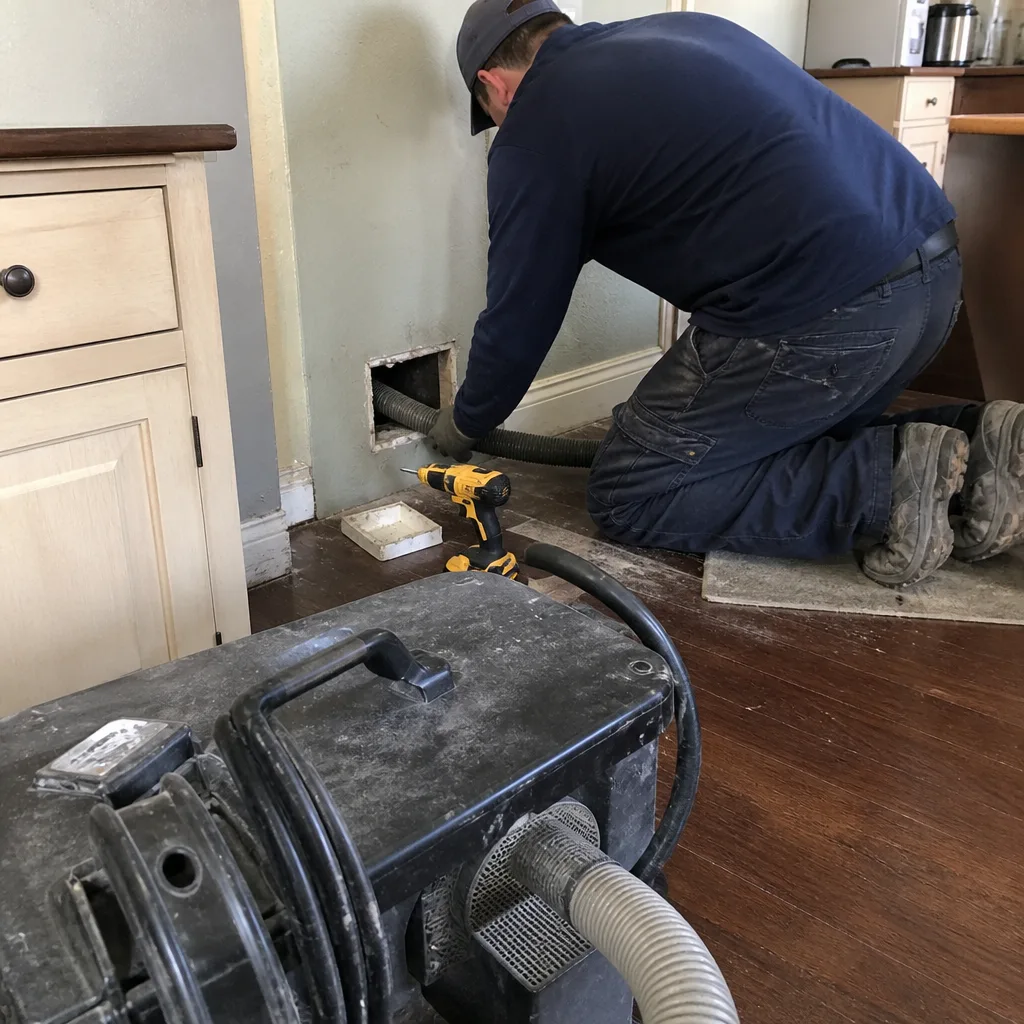 Before
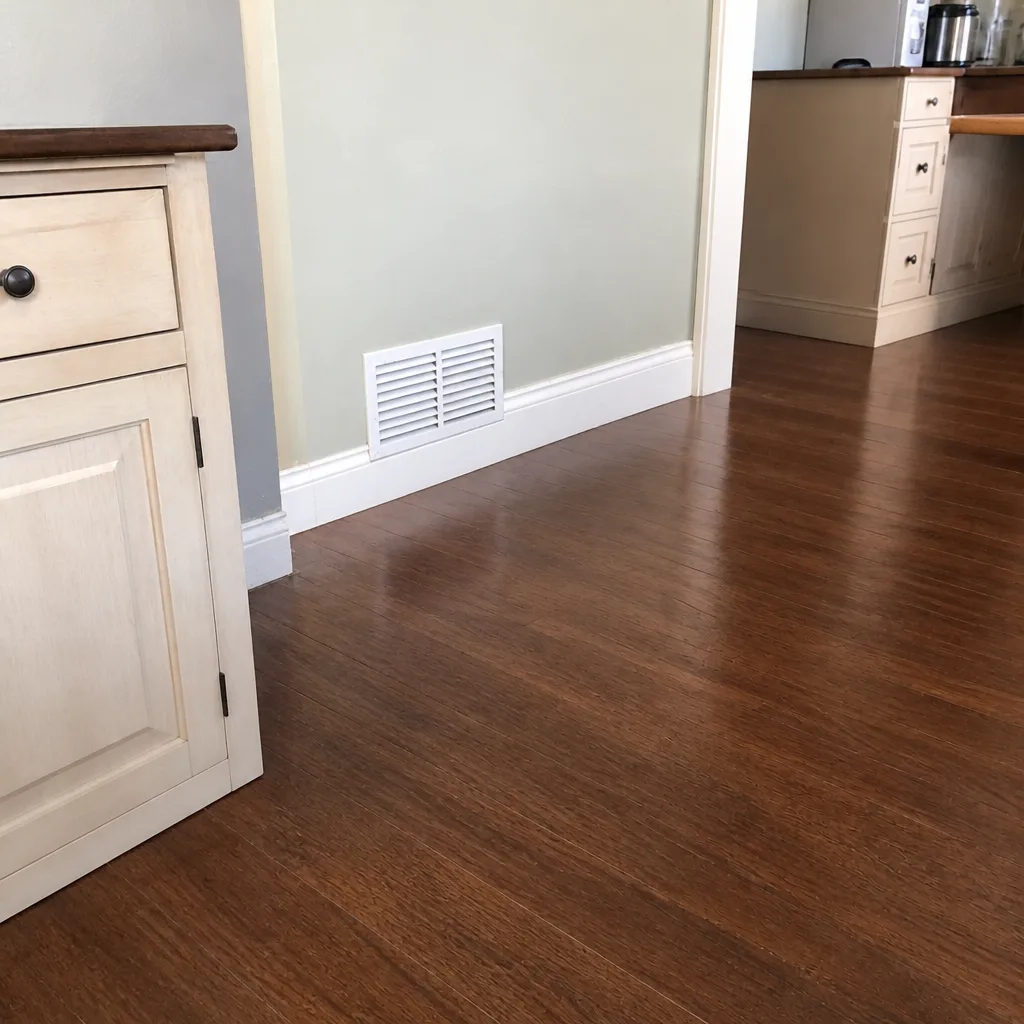 After
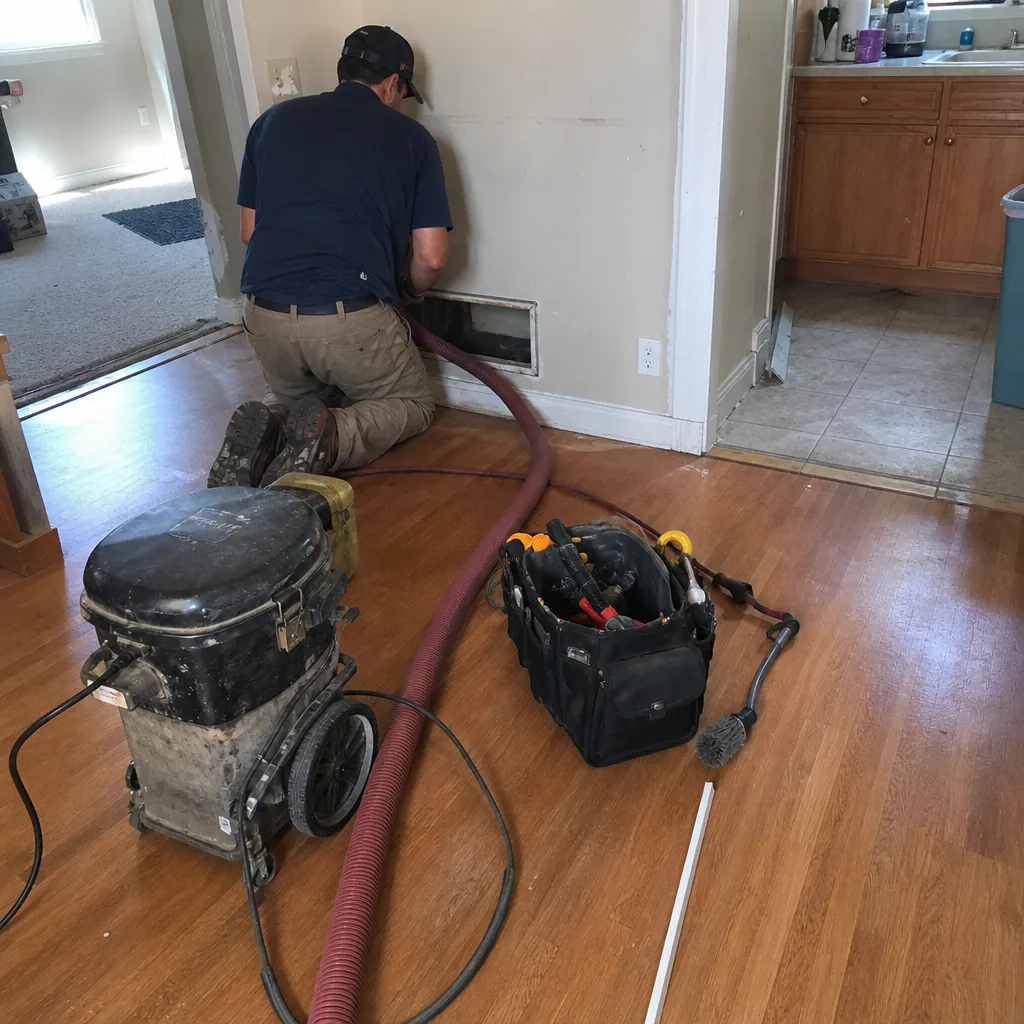 Before
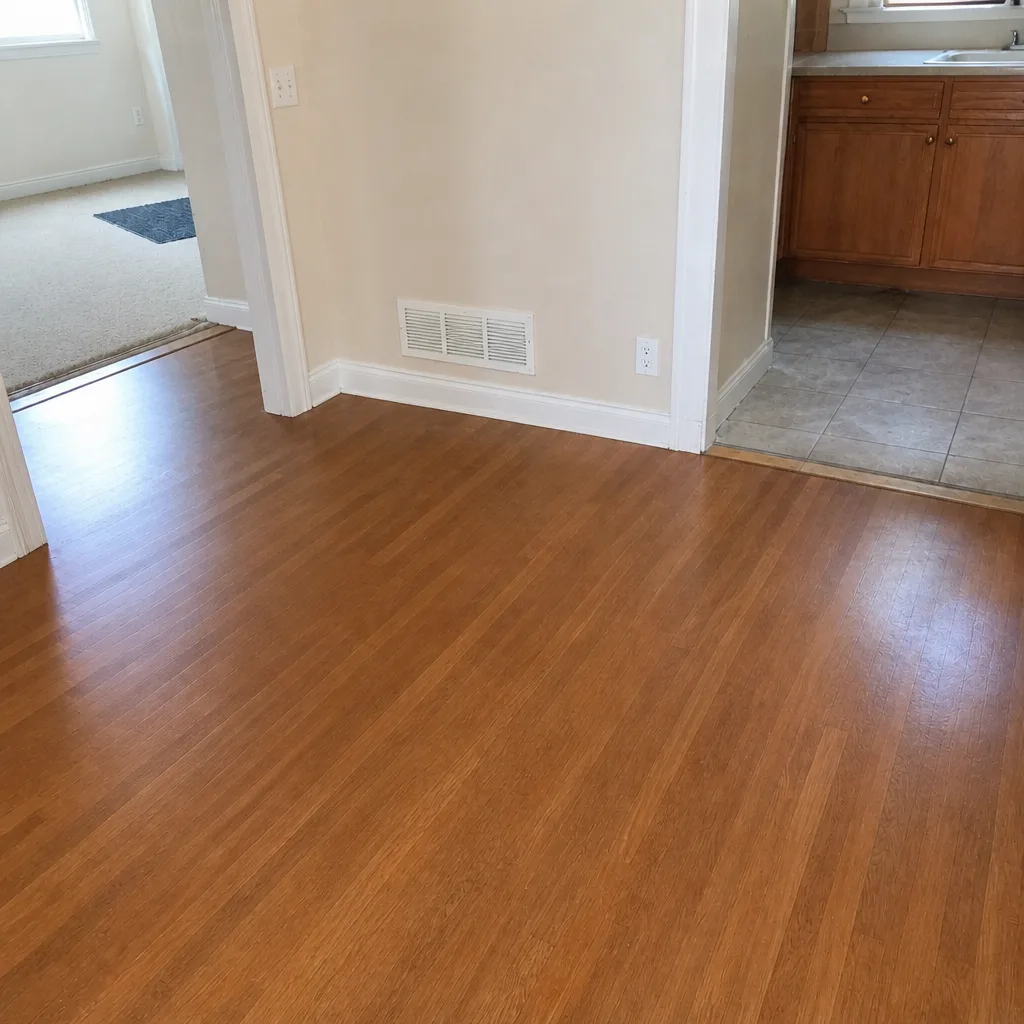 After
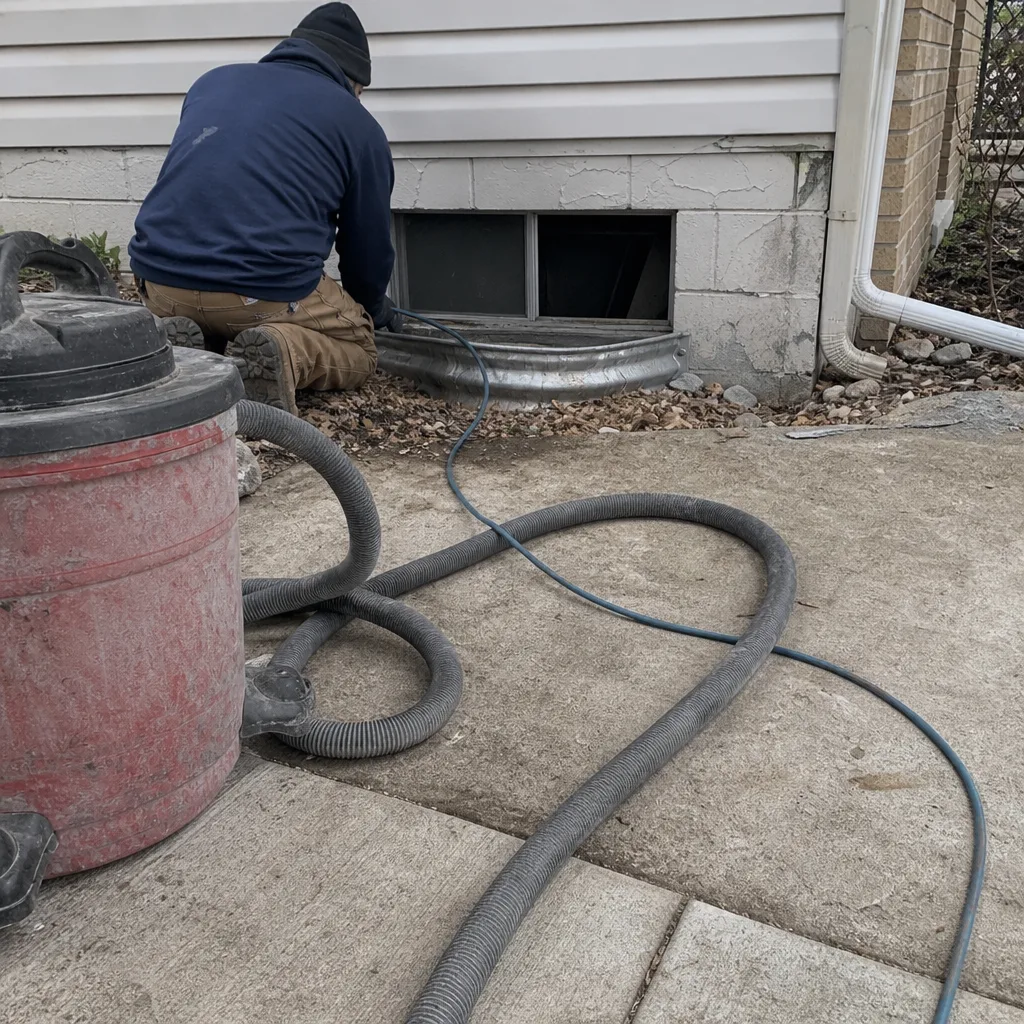 Before
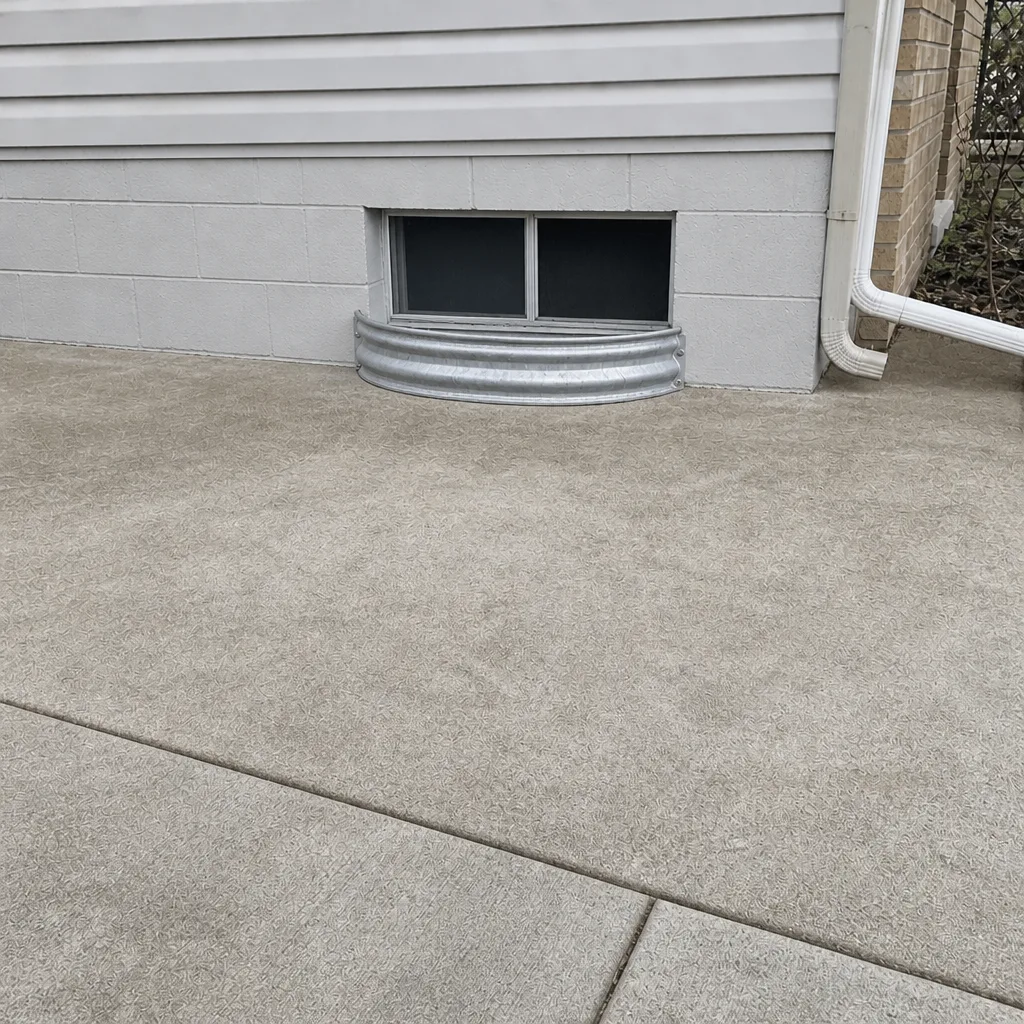 After
When to Call a Professional
You should call a professional when you see dust returning to surfaces within days of cleaning, when certain rooms never get as warm or cool as the thermostat suggests, or when a musty or smoky smell comes through the registers every time the system runs. You should also call before any duct sealing, re-routing, or system change so the scope and permit question can be settled before work begins. Routine maintenance cleaning is the easy case; the harder cases are the ones where the scope changes and the documentation matters.
Air Duct Cleaning Meadow Hills offers free estimates in Meadow Hills, and the estimate comes with a written scope, a flat price per system agreed before work starts, and before-and-after photos included. Call (855) 419-1723. We answer 24/7. Fast dispatch from 7am to 7pm, Sunday through Friday.
Frequently Asked Questions
No. Routine air duct cleaning is classified as maintenance under Colorado’s mechanical code and does not require a permit in Meadow Hills. If the job also involves duct repair, re-routing, resizing, or adding runs, that portion of the work may require a permit and inspection depending on whether the property falls under Arapahoe or Jefferson County jurisdiction. Call (855) 419-1723 for an exact quote and scope review – estimates are free.
It depends on scope. Small patching and re-sealing of individual joints is maintenance and needs no permit. System-wide sealing that accompanies an HVAC replacement or that changes the design of the system is treated as modification and may require a permit. The determining question is whether the work changes the system’s configuration, not whether it involves sealant. Call (855) 419-1723 to talk through your specific scope – estimates are free.
Check your property tax record or the county assessor’s website. Your title documents will also list the county with jurisdiction. If you’re unsure, the county building department can confirm over the phone whether your address is in their jurisdiction. Getting this right matters because the two counties handle mechanical permit thresholds differently. Call (855) 419-1723 and we can help you sort out which questions to ask – estimates are free.
The buyer’s inspector will flag the discrepancy, and the buyer’s agent will typically ask for a permit record or a closing credit. Remediation involves applying for a permit after the fact, an inspection of the current configuration, correction of any code issues, and a final inspection. None of those steps are unusual; they’re slower and more expensive than getting the permit up front. Call (855) 419-1723 to get documentation organized before the sale – estimates are free.
Much cheaper quotes usually reflect a shallower scope. A quick pass with a shop vacuum and no documentation leaves leaks and joint gaps unaddressed, and the price reflects that. Thorough cleaning uses professional-grade equipment like Rotobrush and Nikro, takes before-and-after photos of the ducts themselves, and includes a written scope. A flat price per system agreed in advance is a better measure than a low headline number. Call (855) 419-1723 for an exact whole-system quote – estimates are free.
Ask for before-and-after photos of your own ducts – not stock images. Ask for a written scope of the work performed, with the specific joints and runs sealed listed. If a permit was pulled, ask for the inspection card. Documentation is the difference between a service and a promise. Call (855) 419-1723 and we’ll walk through the documentation we provide on every job – estimates are free.
The Bottom Line
The key facts to walk away with: duct cleaning is maintenance and needs no permit, but duct modification under Colorado’s mechanical code may require one, and the line runs through the scope of work rather than the name of the service. Arapahoe County and Jefferson County handle the threshold differently, so your parcel decides which rules apply. Get the scope and permit responsibility in writing before any work begins, keep before-and-after documentation with your home records, and remember that unpermitted work has a habit of surfacing at the worst possible time – during a sale. Our technicians have up to 11 years of experience, and we build every job from cleaning through repair and sealing so the paperwork matches the work. For the full picture of what a thorough whole-system cleaning looks like, start with our Air Duct Cleaning Meadow Hills page.
Ready to get started? Call Air Duct Cleaning Meadow Hills at (855) 419-1723 for a free estimate. We answer 24/7. Fast dispatch from 7am to 7pm, Sunday through Friday. Every job gets a written scope, a flat price per system agreed before work begins, and before-and-after photos of your own ducts.
Written by the team at Air Duct Cleaning Meadow Hills.